What if the hairline fracture in your building’s facade is actually a $1,000-per-month liability waiting to happen? For property owners in NYC, the fear of falling debris or a sudden DOB violation is a constant reality. You’ve likely spent years investing in interior renovations, only to see water infiltration threaten your hard work. Maintaining a pre-war or brownstone exterior requires more than just a quick fix. It demands expert brick pointing Manhattan services that respect the original craftsmanship while meeting the strict demands of 2026 building codes.
We understand that managing the “Get Sheds Down” initiative and the latest FISP requirements can feel overwhelming. This guide provides a clear path to a waterproof, structurally sound exterior and the removal of stressful DOT or DOB violations. You’ll learn the latest masonry restoration techniques, from annual parapet inspections to specialized waterproofing. We’ll show you how to preserve your building’s aesthetic value while ensuring it remains resilient against the relentless urban wear of New York City.
Key Takeaways
- Understand how subway vibrations and urban tremors accelerate masonry wear, requiring specific reinforcement strategies for Manhattan properties.
- Learn why professional brick pointing Manhattan is your building’s first line of defense against water damage and structural erosion.
- Identify early warning signs like the dusting effect and crumbling mortar from street level before they become hazardous safety issues.
- Master the complexities of Local Law 11 (FISP) and Landmarks Preservation Commission compliance to avoid heavy fines and stop-work orders.
- Determine why specialized insurance and local high-rise experience are non-negotiable when you’re selecting a masonry contractor.
The Unique Challenges of Masonry Repair in Manhattan
Masonry restoration is the meticulous process of restoring a building’s brick, stone, and mortar elements to ensure structural safety and aesthetic preservation. In a city like New York, this isn’t just about curb appeal; it’s a critical maintenance requirement. What is brick repointing exactly? It is the act of renewing the external part of mortar joints in masonry construction. Manhattan buildings face a relentless barrage of environmental stressors that suburban structures simply don’t encounter. The city’s dense infrastructure creates a unique set of challenges that accelerate the aging of exterior facades.
The constant urban tremors from subway lines and heavy trucking exert continuous pressure on mortar joints. These vibrations lead to structural fatigue over time. Additionally, the “canyons” formed by Manhattan’s skyscrapers act as wind tunnels. These high-velocity winds force moisture deeper into the masonry and physically blast away loosened mortar. Proximity to the Hudson and East Rivers also introduces salt air, while traffic exhaust adds acidic pollutants that chemically degrade historic facades.
Vibration Damage and Structural Fatigue
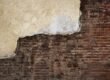
Heavy transit systems are a primary culprit for masonry degradation. The constant rhythmic shifting can weaken the bond between historic bricks and their surrounding mortar. You’ll often see this manifest as hairline cracks that spiderweb across a facade. These cracks are signs of shifting foundations or structural stress in dense urban areas. If ignored, these cracks compromise the stability of parapet walls. Parapets are especially vulnerable because they lack the weight of the building above them to keep them seated during seismic or transit-related tremors.
The Freeze-Thaw Cycle in the NYC Climate
New York winters are notoriously hard on porous building materials. When moisture enters cracks, it stays trapped within the brick. As temperatures drop, this water expands. This expansion creates internal pressure that leads to spalling. This is where the face of the brick pops off, leaving the soft interior exposed. Utilizing expert brick pointing Manhattan techniques ensures that these gaps are sealed with the correct mortar type. Timely brick pointing Manhattan services prevent minor dampness from progressing to major facade failure. Proactive maintenance is always more cost-effective than an emergency reconstruction project.
Essential Masonry Restoration Services for NYC Buildings
Manhattan’s architectural landscape is a blend of pre-war charm and modern resilience. Keeping these structures standing requires a comprehensive suite of services that go far beyond basic repairs. Professional brick pointing Manhattan is the cornerstone of this maintenance, providing a critical seal against the elements. It’s about more than aesthetic appeal; it’s about structural longevity and public safety. Historic facade work plays a crucial role in reviving the face of Manhattan’s history, while parapet wall construction ensures the building’s highest points remain stable against high-altitude winds. Executing high-quality brick pointing Manhattan requires a deep understanding of how these different components interact to create a unified shield for your property.
Chimney repair and maintenance are equally vital. These structures are often the most exposed parts of a building, making them prone to silent fire hazards and water entry. When a chimney’s mortar fails, it allows moisture to seep into the building’s core, leading to internal damage that is often expensive to fix. Addressing these issues early prevents the need for total reconstruction and ensures your building remains compliant with local safety standards.
Brick Pointing and Repointing Techniques
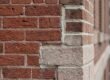
Precision is the difference between a repair that lasts decades and one that fails in a season. When performing brick pointing NYC, we focus heavily on mortar composition. Mortar must match the original brick’s strength and permeability. If the new mortar is too hard, it will cause the brick to crack under thermal expansion. Following best practices for Essential Masonry Restoration Services involves carefully grinding out old, failing mortar. This step requires expert masonry techniques to avoid damaging the surrounding masonry. A skilled technician understands that the joint depth must be uniform to ensure the new mortar bonds correctly with the substrate.
Waterproofing and Protective Coatings
Sealing the exterior is the final step in a successful restoration. Modern solutions like Thorocoat provide a breathable yet waterproof barrier that shields your property from the elements. As an experienced waterproofing contractor NYC, we prioritize stopping water infiltration before it reaches internal structural steel. Once moisture hits the steel frame, it causes rust and expansion, which can lead to catastrophic facade displacement. This “rust jacking” can push bricks entirely out of alignment, creating a hazardous condition for pedestrians below.
Protecting your investment starts with understanding these technical requirements. Whether you are dealing with aging brownstone or a mid-century high-rise, proactive care is the only way to avoid heavy fines and structural failure. If you’ve noticed damp spots or crumbling mortar, it’s time to consult with a masonry expert to assess your building’s health. We view every project as a partnership aimed at preserving the longevity and safety of your Manhattan property.
Identifying Signs of Masonry Failure: A Manhattan Checklist
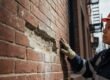
Early detection is your best defense against the high costs of structural neglect. While some issues require a professional eye, property owners can spot several red flags from the safety of the sidewalk or the roof. Regular visual inspections are vital for maintaining a safe building exterior. Look for the “dusting effect,” where mortar joints turn to a fine powder and blow away in the wind. This is a clear indicator that you need brick pointing Manhattan services to restore the bond between your bricks before the joints disappear entirely.
Another common sight is efflorescence. These white, powdery salt deposits appear when water moves through the masonry and evaporates on the surface. While the salt itself isn’t the problem, it signals that water is penetrating your building’s envelope. If you see the faces of your bricks flaking or popping off, you’re witnessing spalling. This often occurs when moisture remains trapped inside the brick. The most critical warning sign, however, is a bulging wall. A section of the facade that appears to bow outward indicates that the masonry has detached from the structural frame. This is a hazardous condition that requires immediate expert intervention.
Facade and Parapet Warning Signs
The roofline is often where the first signs of trouble appear. Check your parapet walls for loose coping stones or cracked mortar at the very top. These stones act as the building’s umbrella; if they’re loose, water will pour directly into the wall cavity. You should also watch for step cracking. These diagonal cracks resemble a staircase and often point toward settlement or foundation shifting. Recognizing these parapet wall construction New York issues early can save you from the emergency installation of a sidewalk shed and the associated monthly rental fees.
Water Damage and Interior Symptoms
Sometimes the best way to inspect your masonry is from the inside. Peeling paint, bubbling wallpaper, or persistent damp spots on perimeter walls are classic signs of exterior failure. Don’t ignore a small leak in the basement or a damp patch near a window. These symptoms often hide significant voids in the masonry where water has washed away the internal mortar. Small exterior cracks can act like straws, sucking moisture into the building during heavy rains. Investing in brick pointing Manhattan now stops these interior renovations from being ruined by avoidable water damage. We recommend a thorough check of your building’s perimeter after every major storm to catch these issues before they escalate.

Compliance, Violations, and Manhattan Building Regulations
Manhattan property owners face some of the strictest building regulations in the world. Compliance isn’t optional; it’s a matter of public safety and financial stability. Local Law 11, now known as the Facade Inspection & Safety Program (FISP), mandates regular inspections for all buildings over six stories. If your property is located within a historic district, you must also navigate the Landmarks Preservation Commission (LPC) requirements. These rules ensure that brick pointing Manhattan projects maintain the city’s architectural integrity while keeping pedestrians safe. Ignoring these mandates leads to heavy fines and legal liabilities that far outweigh the cost of proactive maintenance.
The legal risks of neglect are significant. As of January 2026, new penalties under Local Law 51 impose stricter fines for building owners who fail to complete facade repairs in a timely manner. Professional restoration doesn’t just fix a crack; it ensures your building remains in good standing with the Department of Buildings (DOB). By staying ahead of these regulations, you protect your equity and avoid the long-term financial drain of recurring violations and stop-work orders.
NYC Sidewalk Violation Removal
Sidewalk safety is often the first point of contact for Department of Transportation (DOT) inspectors. Common causes of violations include uneven flags, large cracks, or improper previous repairs that create trip hazards. The NYC sidewalk violation removal process involves obtaining specific permits, performing the repair to city standards, and filing for a formal dismissal. Neglecting the sidewalk can lead to the city performing the work itself and billing you for the cost. We view sidewalk repair as an essential extension of your building’s exterior maintenance program. It protects your investment from the ground up and maintains your property’s curb appeal.
FISP Inspections and Repair Cycles
The FISP cycle occurs every five years. Buildings are rated as Safe, SWARMP (Safe With a Repair and Maintenance Program), or Unsafe. An Unsafe rating requires immediate action, including the installation of a sidewalk shed within 24 hours and notifying the DOB. To avoid these high-pressure scenarios, it is vital to budget for facade restoration cost NYC during your regular maintenance cycles. A Qualified Exterior Wall Inspector (QEWI) must conduct the hands-on inspection. However, the contractor is the one who executes the necessary brick pointing Manhattan repairs to achieve a “Safe” status. Proactive repairs during a SWARMP status are always more affordable than emergency work performed under an Unsafe designation.
Don’t wait for a violation to land on your doorstep. If you are concerned about your building’s compliance status or have received a notice from the DOB, contact our team for a professional assessment today. We help you navigate the paperwork and the physical repairs with equal expertise.
Choosing the Right Manhattan Masonry Contractor
High-rise masonry requires specialized insurance that many generalists don’t carry. Without the right coverage, you as the property owner could be liable for accidents on the scaffolding. Verify your contractor’s track record with both historic lime-based mortars and modern waterproofing systems. At Brick Tech Contracting Corp, we’ve spent over 40 years mastering these complexities. Since 1980, our family-owned business has focused on providing Manhattan owners with the peace of mind that comes from seasoned expertise. We don’t just repair buildings; we protect investments for the long term.
The Brick Tech Contracting Corp Process: From Inspection to Protection
The Brick Tech Contracting Corp process starts with meticulous site preparation and a focus on safety. We don’t just jump into the work; we ensure the site is secure for both our crew and the public. We blend traditional craftsmanship with modern technology to create a resilient exterior. This often involves brick pointing Manhattan techniques paired with high-performance waterproofing layers. Taking the first step is simple. Scheduling a professional Manhattan masonry assessment allows us to identify issues before they become violations. We’re here to guide you through the restoration process with the transparency and commitment to excellence that only 40+ years in the city can provide.
Protecting Your Manhattan Investment for the Long Term
Managing a building in the heart of the city requires a proactive approach to exterior health. The combination of urban vibrations, harsh weather, and strict 2026 compliance standards makes regular maintenance a necessity rather than an option. Identifying early warning signs like spalling or crumbling mortar ensures you stay ahead of costly repairs and hazardous conditions. Professional brick pointing Manhattan services provide the durable shield your property needs to thrive in this demanding environment.
Choosing a partner with deep local roots is the most effective way to navigate NYC’s complex regulatory landscape. At Brick Tech Contracting, we’ve been family-owned and operated since 1980. Our team specializes in both meticulous historic restoration and high-performance modern waterproofing. We understand the nuances of NYC building codes and have a proven track record of efficient violation removal. You don’t have to manage these structural challenges alone. Take the first step toward a safer, more resilient facade by reaching out for a professional assessment.
Get a Free Manhattan Masonry Repair Estimate from Brick Tech and secure your building’s future today. We’re ready to help you preserve your property’s value and ensure lasting peace of mind.
Frequently Asked Questions
How much does masonry repair cost in Manhattan?
Total costs depend on your building’s height, the current condition of the mortar, and specific accessibility requirements like scaffolding or rope access. Factors such as historic lime-mortar matching or intricate stone restoration also influence the final investment. Every property has unique needs based on its age and exposure to urban tremors. We provide detailed assessments to help owners understand the specific scope of work required for their facade.
What is the difference between brick pointing and repointing?
Pointing refers to the initial finishing of mortar joints during new construction, while repointing is the repair process of removing failing mortar and replacing it with new material. In the context of brick pointing Manhattan, these terms are often used interchangeably by property owners seeking restoration. Both processes are essential for maintaining structural integrity and preventing water from entering the building’s envelope through compromised or hollow joints.
How do I know if my building needs a Local Law 11 inspection?
Any building in New York City over six stories in height must undergo a facade inspection every five years under the Façade Inspection & Safety Program (FISP). These inspections must be performed by a Qualified Exterior Wall Inspector (QEWI). If your building meets this height threshold, you must file a technical report during your assigned cycle to confirm the facade is Safe, SWARMP, or Unsafe.
Can masonry repair be done in the winter in NYC?
Masonry work can be performed during NYC winters, but it requires specific environmental controls for masonry to ensure the mortar cures correctly. We use heated enclosures and cold-weather additives to prevent the mortar from freezing before it sets. However, many owners prefer to schedule brick pointing Manhattan projects during the spring or fall when temperatures are more stable. This approach ensures the highest quality bond and long-term durability.
How long does a typical facade restoration project take?
A typical restoration can take anywhere from a few weeks to several months depending on the building’s size and the severity of the damage. Small residential brownstones might be completed in two to three weeks, while high-rise structures require more time for scaffolding setup and multi-phase repairs. We provide a clear timeline during the initial consultation to help you manage building access and minimize tenant disruption.
Why is water seeping through my brick wall even after a rainstorm?
Water often stays trapped within the porous core of a brick wall or behind the facade in a cavity. Even after the rain stops, this moisture can migrate inward through hairline cracks or hollow mortar joints. This is often a sign of advanced masonry failure or “rust jacking” of internal steel beams. Addressing these voids promptly with professional restoration stops the cycle of interior damage and preserves your frame.
What happens if I ignore an NYC sidewalk violation?
Ignoring a DOT sidewalk violation can lead to the city performing the work themselves and sending you the bill. These charges are often significantly higher than private contractor rates and can result in a lien against your property. Additionally, a recorded violation increases your legal liability for trip-and-fall accidents. We specialize in efficient violation removal to protect your equity and ensure the safety of your sidewalk.
Does the Landmarks Preservation Commission need to approve my masonry repair?
If your building is located within a designated NYC historic district, the Landmarks Preservation Commission must approve any exterior work. This includes changes to mortar color, texture, and joint profiles. We handle the necessary filings and ensure that our restoration techniques meet the strict aesthetic standards required by the LPC. This process preserves the historical value and architectural heritage of your Manhattan property while ensuring full compliance.