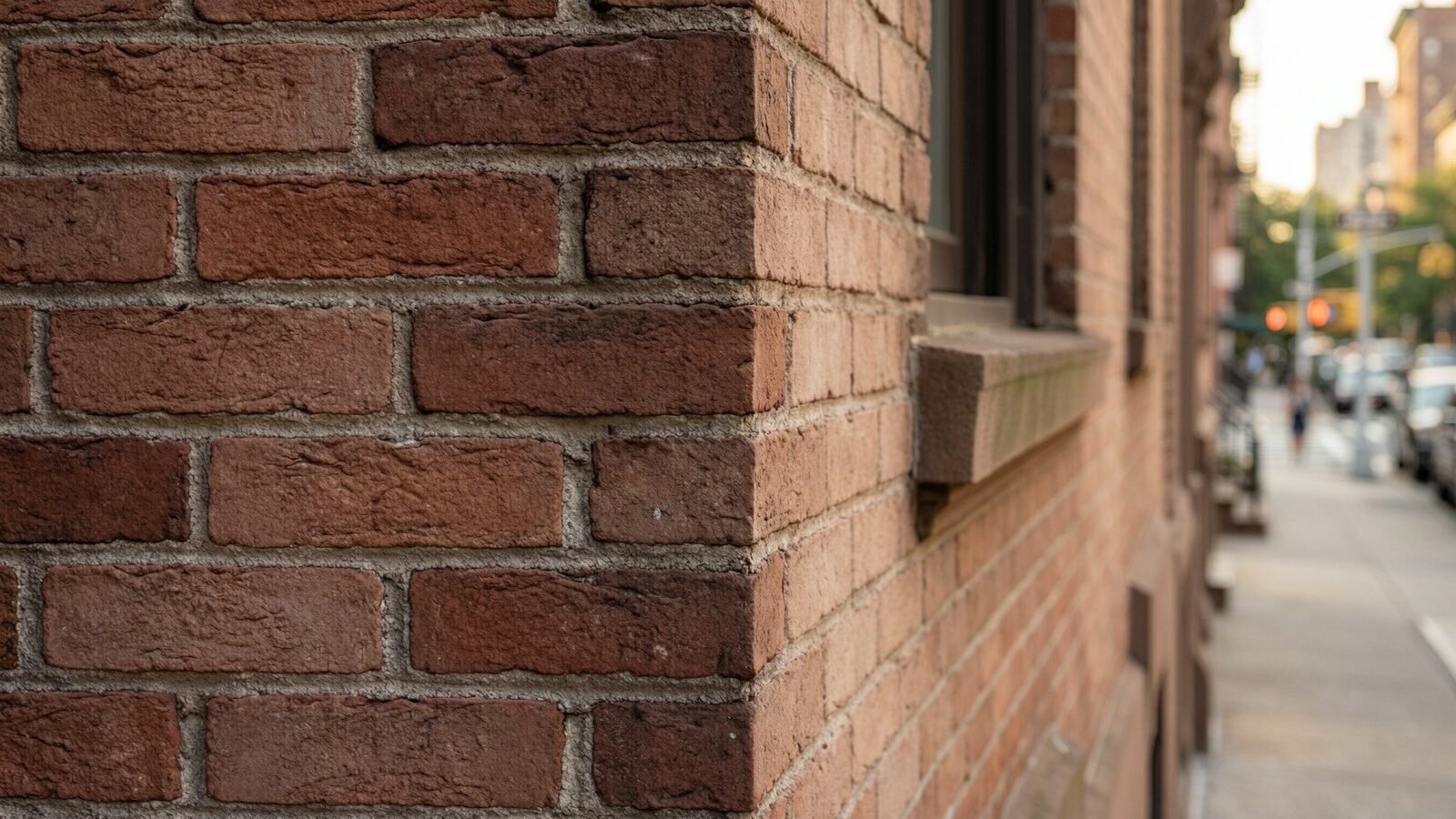
Maintaining the structural integrity and aesthetic value of a historic building requires a proactive approach to property management. Executing a regular brickwork maintenance checklist for nyc brownstones and multifamily buildings is the most effective way to prevent costly emergency repairs. For typical masonry repointing, expect to pay between $15 and $45 per square foot, while full-scale facade restoration projects generally range from $25,000 to $150,000 depending on the building size and the complexity of the architectural details involved.
Key Takeaways
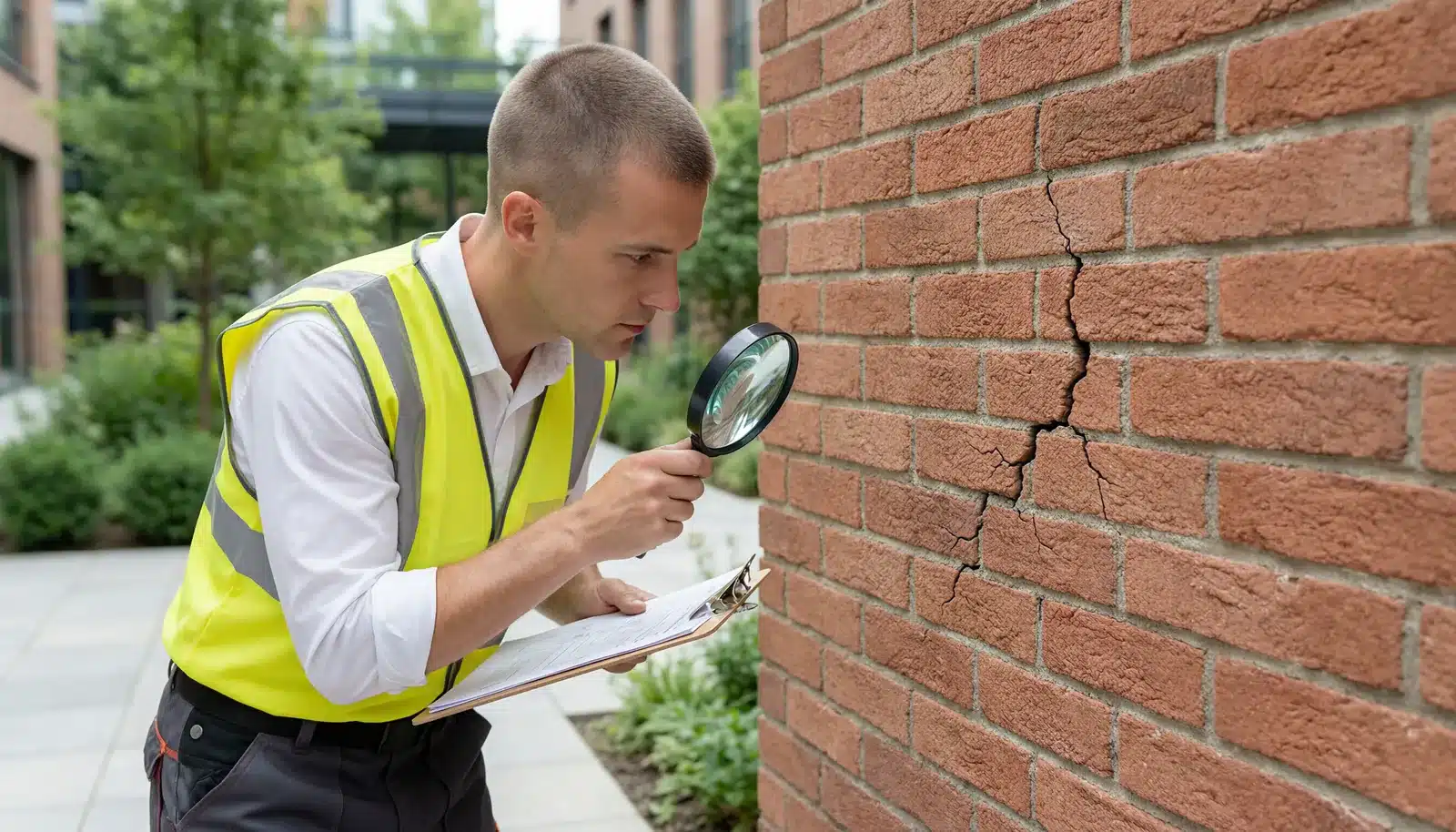
- Schedule visual inspections of all masonry surfaces every six months to catch hairline cracks early.
- Prioritize water management by ensuring gutters and downspouts are clear and properly directed away from walls.
- Address missing mortar joints immediately to prevent water infiltration and secondary structural damage.
- Use only lime-based mortars for historic brownstone facades to allow the brick to breathe and expand.
- Maintain detailed records of all repairs, including dates, materials used, and contractor invoices for future reference.
Why Facade Maintenance Matters
New York City’s climate is brutal on masonry. The constant freeze-thaw cycles cause moisture trapped inside porous bricks to expand, leading to spalling, cracking, and eventual structural failure. Beyond safety, Local Law 11/98—now part of the NYC Buildings Department Facade Inspection Safety Program—requires owners of buildings taller than six stories to conduct periodic inspections. Neglecting your facade can lead to heavy fines, insurance complications, and a significant decrease in the overall market value of your property.
Visual Inspection Checklist
Conducting a thorough walkthrough is the first line of defense. Use high-resolution binoculars or a drone to inspect the upper floors and parapets where water damage often begins.
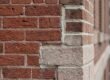
- Mortar Condition: Check for crumbling, powdery, or missing mortar joints.
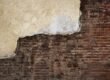
- Brick Faces: Look for signs of spalling, where the outer layer of the brick flakes off.
- Lintels: Inspect steel window lintels for rust, which causes them to expand and crack the masonry.
- Parapet Walls: Verify that the coping stones are secure and that the flashing is intact.
- Stucco or Paint: Identify blistering, peeling, or cracking in any applied surface finishes.
Common Masonry Failure Indicators
Recognizing the early warning signs of decay allows you to intervene before a small repair turns into a total reconstruction. Structural integrity is your primary concern when these signs appear.
| Indicator | Severity | Recommended Action |
|---|---|---|
| Hairline cracks | Low | Monitor and seal during next cleaning |
| Deep mortar erosion | Medium | Professional repointing required |
| Bulging bricks | High | Immediate structural assessment needed |
| Rust staining | Medium | Replace or treat steel lintels |
| Efflorescence | Low | Clean and check for water source |
Seasonal Maintenance Schedule

A consistent rhythm of care ensures that your building remains in peak condition year-round. Create a calendar-based approach to manage your assets effectively.
Spring Cleaning and Assessment
Winter is the harshest season for NYC buildings. Spring should be dedicated to identifying the damage caused by ice and snow. Inspect for new cracks and clean away debris that may have collected in crevices.
Summer Repairs and Pointing
Warm, dry weather is ideal for masonry repairs. Mortar requires specific temperature ranges to cure properly. Summer is the perfect time to perform repointing or brick replacement when the risk of freezing is nonexistent.
Autumn Preparation for Winter
Before the first frost, ensure all water pathways are clear. Clean out gutters, check that downspouts are discharging away from the building foundation, and seal any small cracks that could allow moisture to enter.
Choosing the Right Materials
Using the wrong material can be more damaging than using no material at all. Historic brownstones were built with soft, porous bricks and lime-based mortars. Modern portland cement is often too hard and rigid for these older structures. If you use a mortar that’s harder than the brick, the brick will eventually crack under stress because it can’t flex or release moisture. Always consult with a professional to match the compressive strength and color of the original mortar.
Managing Water Infiltration
Water is the primary enemy of masonry. If water gets behind the brick face, it has nowhere to go. During winter, this trapped water freezes, turns to ice, and pops the face of the brick off.
- Flashing: Ensure that all flashing around roof edges and window heads is watertight.
- Gutters: Clean gutters twice a year to prevent overflow directly onto the facade.
- Caulking: Inspect window and door perimeters for gaps in the sealant.
- Roofing: Verify that the roof membrane isn’t pulling away from the parapet wall.
Is Your Building Compliant?
Compliance with city regulations isn’t optional. Owners of buildings over six stories must file a report every five years. Even for smaller buildings, the city’s building code emphasizes the safety of the public. If a piece of masonry falls from your building, you’re held liable for any damages or injuries. Regular maintenance is essentially a form of risk management that protects your business from massive legal liabilities.
How to Select Contractors
Hiring the right masonry contractor is critical for long-term success. Look for companies with specific experience in NYC historic preservation.
- Verify Insurance: Ensure they carry comprehensive general liability and workers’ compensation.
- Check References: Ask for addresses of similar buildings they have worked on recently.
- Review Estimates: A bid that’s significantly lower than others may indicate a lack of experience or poor material choices.
- Portfolio: Look for examples of color-matching mortar and careful brick replacement.
Troubleshooting Common Issues

When you encounter specific problems, use this table to determine your next move.
| Issue | Potential Cause | Solution |
|---|---|---|
| Water leaks inside | Failed flashing or mortar | Call a waterproofing expert |
| Bricks turning white | Salt deposits (efflorescence) | Clean with mild masonry detergent |
| Vertical cracks | Building settlement | Structural engineering survey |
| Crumbling window sills | Weathering | Replace with natural bluestone |
Frequently Asked Questions
How often should masonry be repointed?
Typically, mortar joints in NYC buildings last between 25 and 50 years depending on their exposure to the elements. You should perform a visual inspection every few years. If you notice the mortar is crumbling, turning to dust when touched, or falling out in chunks, it’s time to schedule repointing work to prevent moisture from damaging the bricks themselves.
Can I paint my brownstone facade?
Painting historic brownstone is generally discouraged by preservationists. Paint traps moisture inside the stone or brick, which accelerates spalling and structural decay. If you must change the appearance, consult a professional about breathable mineral-based coatings. If your building is a designated landmark, you must obtain approval from the Landmarks Preservation Commission before applying any new finish to the exterior.
What is the difference between repointing and tuckpointing?
Repointing is the process of removing damaged mortar and replacing it with new, compatible mortar to ensure the wall is sealed. Tuckpointing is a specific aesthetic technique that involves using two different colors of mortar to create the illusion of perfectly straight, thin joints. While both involve repair, repointing is the structural necessity, whereas tuckpointing is often a cosmetic finish applied afterward.
Why is my masonry cracking in a zigzag pattern?
A zigzag or “stair-step” crack usually indicates that the building is settling unevenly. While minor settlement is common in older NYC buildings, significant stair-step cracking can indicate a structural issue with the foundation or a failure of the steel lintels supporting the masonry above windows. You should have a professional engineer evaluate the cause before attempting to patch the cracks.
How do I prevent efflorescence on my brickwork?
Efflorescence occurs when water-soluble salts are drawn out of the masonry by moisture. To stop it, you must eliminate the source of the water infiltration. Check your gutters, downspouts, and flashing to ensure they aren’t leaking onto the brick. Once the water source is fixed, the white salt deposits can often be removed with a specialized masonry cleaner and a soft-bristle brush.
Conclusion
Maintaining a historic building in New York City requires constant vigilance and a commitment to quality materials. By following this checklist and addressing minor issues before they escalate into major structural concerns, you preserve the value and safety of your property. Contact a professional masonry contractor today to schedule a comprehensive assessment of your building’s current facade condition.
Key Takeaways
- Inspect visible brickwork, mortar joints, lintels, parapets, and other exterior masonry regularly.
- Pay close attention to water management around roofs, gutters, flashing, coping, and window openings.
- Address deteriorated or missing mortar before moisture penetrates deeper into the masonry assembly.
- Use replacement mortar that is compatible with the existing brick or stone, particularly on historic buildings.
- Investigate recurring efflorescence, staining, and interior dampness instead of treating only the visible symptoms.
- Keep records of inspections and completed repairs to make long-term facade maintenance easier to manage.
Why Facade Maintenance Matters
New York City’s weather can be demanding on masonry. Rainwater enters porous brick and deteriorated mortar joints, while winter freeze-thaw cycles can make existing weaknesses progressively worse. Summer heat and temperature fluctuations add additional movement to exterior building materials.
Over time, these conditions may contribute to mortar erosion, cracking, spalling, staining, and water infiltration.
For taller buildings, facade maintenance also involves regulatory responsibilities. NYC’s Façade Inspection & Safety Program applies to buildings greater than six stories and requires periodic exterior wall and appurtenance inspections by qualified professionals.
Routine maintenance does more than improve appearance. It helps property owners identify potentially unsafe conditions, control moisture, protect surrounding building components, and reduce the likelihood that minor deterioration develops into extensive masonry restoration.
Visual Inspection Checklist
Conducting a thorough walkthrough is the first line of defense. Use high-resolution binoculars or a drone to inspect the upper floors and parapets where water damage often begins.
Pay particular attention to these areas:
- Mortar joints: Look for recessed, cracked, powdery, loose, or missing mortar.
- Brick faces: Check for spalling, flaking, cracking, discoloration, or missing sections.
- Lintels: Watch for rust staining, cracking near window corners, or displaced masonry above openings.
- Parapet walls: Look for open joints, loose masonry, deteriorated coping, and signs of moisture penetration.
- Window sills: Inspect for cracks, failed joints, and deterioration that may direct water into the wall.
- Flashing: Check visible areas for openings or deterioration that could allow water behind the masonry.
- Exterior coatings: Look for blistering, peeling, bubbling, or cracking that may indicate trapped moisture.
- Interior surfaces: Water stains near exterior walls can provide clues about facade or roof-related moisture entry.
Common Masonry Failure Indicators
Recognizing the early warning signs of decay allows you to intervene before a small repair turns into a total reconstruction. Structural integrity is your primary concern when these signs appear.
| Indicator | Severity | Recommended Action |
|---|---|---|
| Hairline cracks | Low | Monitor and seal during next cleaning |
| Deep mortar erosion | Medium | Professional repointing required |
| Bulging bricks | High | Immediate structural assessment needed |
| Rust staining | Medium | Replace or treat steel lintels |
| Efflorescence | Low | Clean and check for water source |
Seasonal Maintenance Schedule
A consistent rhythm of care ensures that your building remains in peak condition year-round. Create a calendar-based approach to manage your assets effectively.
Spring Cleaning and Assessment
Winter freeze-thaw cycles can expose weaknesses that were less noticeable during the previous year. Once temperatures moderate, inspect exterior masonry for newly developed cracks, spalling, open mortar joints, and staining.
Spring is also a good time to inspect roof drainage systems and remove debris that accumulated during winter.
Summer Repairs and Pointing
Warmer conditions can provide suitable opportunities for many masonry repairs when work is planned according to material and manufacturer requirements.
Depending on the condition of the building, summer maintenance may include:
- Repointing deteriorated mortar
- Replacing severely damaged bricks
- Repairing parapet joints
- Addressing lintel deterioration
- Repairing coping and flashing
- Correcting sources of water infiltration
Repairs should always account for weather conditions and proper curing requirements rather than simply being scheduled because temperatures are warm.
Autumn: Prepare for Freezing Weather
Before winter arrives, concentrate on keeping water out of vulnerable areas.
Clear gutters, roof drains, and scuppers; check flashing and coping; inspect window perimeter joints; and address obvious openings where rain or melting snow could enter the masonry.
Reducing moisture infiltration before temperatures begin freezing can help limit freeze-thaw deterioration during winter.
Winter: Monitor for Developing Problems
Extensive masonry work may be more difficult during cold weather, but property owners can still monitor their buildings.
Look for new interior leaks, loose exterior material, ice-related drainage problems, and changes in existing cracks. Potentially hazardous conditions should not be postponed simply because it is winter.
Choosing Compatible Masonry Materials
One of the most important principles in maintaining older NYC masonry is material compatibility.
Many historic buildings were constructed using masonry and mortar systems that behave differently from modern materials. Installing mortar that is substantially harder or less permeable than the surrounding brick can concentrate stress in the masonry units instead of the mortar joints.
This can contribute to cracked or spalling brick.
Replacement mortar should therefore be selected according to the characteristics of the existing wall rather than assuming one modern mortar mix is appropriate for every building.
Color, texture, permeability, strength, and joint profile can all matter, particularly when repairing historic or architecturally significant masonry.
Managing Water Infiltration
Water is one of the most important factors in masonry deterioration. Once moisture repeatedly enters damaged joints or penetrates behind brickwork, seasonal freezing and thawing can accelerate existing defects.
A moisture-control inspection should include:
- Flashing: Check roof edges, window heads, and other transitions for potential water entry.
- Gutters and roof drains: Keep drainage paths clear so water does not repeatedly overflow onto the facade.
- Coping: Inspect parapet caps and joints for cracks or openings.
- Window and door joints: Look for deteriorated sealant and gaps.
- Roof connections: Check areas where roofing meets parapet walls.
- Mortar joints: Repair deterioration that provides direct pathways for rainwater.
- Interior walls: Investigate staining or dampness rather than simply repainting the affected surface.
Water appearing inside a building may originate some distance from the visible stain, so diagnosing the actual entry point is important before repairs begin.
Maintaining Parapets and Roofline Masonry
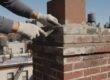
Parapets are especially vulnerable because they are exposed to weather from multiple directions. Their upper surfaces receive rain, snow, and direct temperature changes while coping joints and flashing must prevent moisture from entering the wall below.
During inspections, check for:
- Loose or displaced coping
- Open coping joints
- Cracked masonry
- Deteriorated mortar
- Rust staining
- Loose bricks
- Bulging sections
- Failed flashing
- Water staining below the parapet
Problems near the roofline can allow moisture to travel downward through masonry, making what appears to be a wall problem originate at the top of the building.
Brick Repointing and Mortar Maintenance
Mortar joints are intentionally an important part of a masonry wall’s weather-resistance system. As joints deteriorate, they become easier pathways for water.
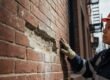
Repointing involves carefully removing deteriorated mortar to an appropriate depth and replacing it with compatible new mortar.
Property owners should consider professional evaluation when mortar:
- Crumbles easily when touched
- Has visibly washed out of joints
- Contains extensive cracking
- Is missing from sections of the wall
- Allows bricks to become loose
- Shows repeated moisture deterioration
The objective is not simply to cover deteriorated joints with a thin layer of new material. Proper repointing removes unsound mortar and creates a durable bond with the existing masonry.
Is Your NYC Building Facade Compliant?
Maintenance and regulatory compliance often overlap.
Buildings subject to NYC facade inspection requirements must follow applicable inspection and filing procedures. Property owners should understand whether their building falls under those requirements and maintain records of inspections and repairs.
Even buildings outside the periodic facade inspection program still require responsible exterior maintenance. Loose brick, unstable parapets, deteriorated masonry, or other potentially hazardous exterior conditions should be addressed promptly.
Keeping masonry in good condition therefore supports both building preservation and public safety.
How to Select Contractors
Hiring the right masonry contractor is critical for long-term success. Look for companies with specific experience in NYC historic preservation.
- Verify Insurance: Ensure they carry comprehensive general liability and workers’ compensation.
- Check References: Ask for addresses of similar buildings they have worked on recently.
- Review Estimates: A bid that’s significantly lower than others may indicate a lack of experience or poor material choices.
- Portfolio: Look for examples of color-matching mortar and careful brick replacement.
Troubleshooting Common Issues
When you encounter specific problems, use this table to determine your next move.
| Issue | Potential Cause | Solution |
|---|---|---|
| Water leaks inside | Failed flashing or mortar | Call a waterproofing expert |
| Bricks turning white | Salt deposits (efflorescence) | Clean with mild masonry detergent |
| Vertical cracks | Building settlement | Structural engineering survey |
| Crumbling window sills | Weathering | Replace with natural bluestone |
Frequently Asked Questions
How often should masonry be repointed?
Typically, mortar joints in NYC buildings last between 25 and 50 years depending on their exposure to the elements. You should perform a visual inspection every few years. If you notice the mortar is crumbling, turning to dust when touched, or falling out in chunks, it’s time to schedule repointing work to prevent moisture from damaging the bricks themselves.
Can I paint my brownstone facade?
Painting historic brownstone is generally discouraged by preservationists. Paint traps moisture inside the stone or brick, which accelerates spalling and structural decay. If you must change the appearance, consult a professional about breathable mineral-based coatings. If your building is a designated landmark, you must obtain approval from the Landmarks Preservation Commission before applying any new finish to the exterior.
What is the difference between repointing and tuckpointing?
Repointing is the process of removing damaged mortar and replacing it with new, compatible mortar to ensure the wall is sealed. Tuckpointing is a specific aesthetic technique that involves using two different colors of mortar to create the illusion of perfectly straight, thin joints. While both involve repair, repointing is the structural necessity, whereas tuckpointing is often a cosmetic finish applied afterward.
Why is my masonry cracking in a zigzag pattern?
A zigzag or “stair-step” crack usually indicates that the building is settling unevenly. While minor settlement is common in older NYC buildings, significant stair-step cracking can indicate a structural issue with the foundation or a failure of the steel lintels supporting the masonry above windows. You should have a professional engineer evaluate the cause before attempting to patch the cracks.
How do I prevent efflorescence on my brickwork?
Efflorescence occurs when water-soluble salts are drawn out of the masonry by moisture. To stop it, you must eliminate the source of the water infiltration. Check your gutters, downspouts, and flashing to ensure they aren’t leaking onto the brick. Once the water source is fixed, the white salt deposits can often be removed with a specialized masonry cleaner and a soft-bristle brush.
Conclusion
Maintaining brickwork on an NYC brownstone, multifamily property, or older masonry building is an ongoing process rather than a one-time repair. Regular inspections, effective water management, compatible mortar, timely repointing, and attention to parapets, lintels, flashing, and drainage can significantly reduce the risk of progressive masonry deterioration.
Property owners should pay particular attention to recurring moisture problems, loose masonry, bulging walls, extensive spalling, and deteriorated mortar. Addressing the underlying cause early can help protect the facade while avoiding larger and more disruptive restoration work later.
For professional help maintaining or restoring your property’s exterior, Brick Tech Contracting Corp provides brickwork, brick pointing, masonry repair, waterproofing, parapet repair, and facade restoration services throughout the NYC area. Our team can assess deteriorated masonry, identify areas requiring attention, and recommend repair solutions appropriate for the condition of your building.
Whether you are maintaining a historic brownstone, multifamily building, or commercial property, Brick Tech Contracting Corp can help you develop a practical approach to preserving your masonry and protecting your building for the years ahead.