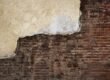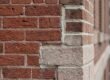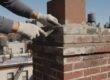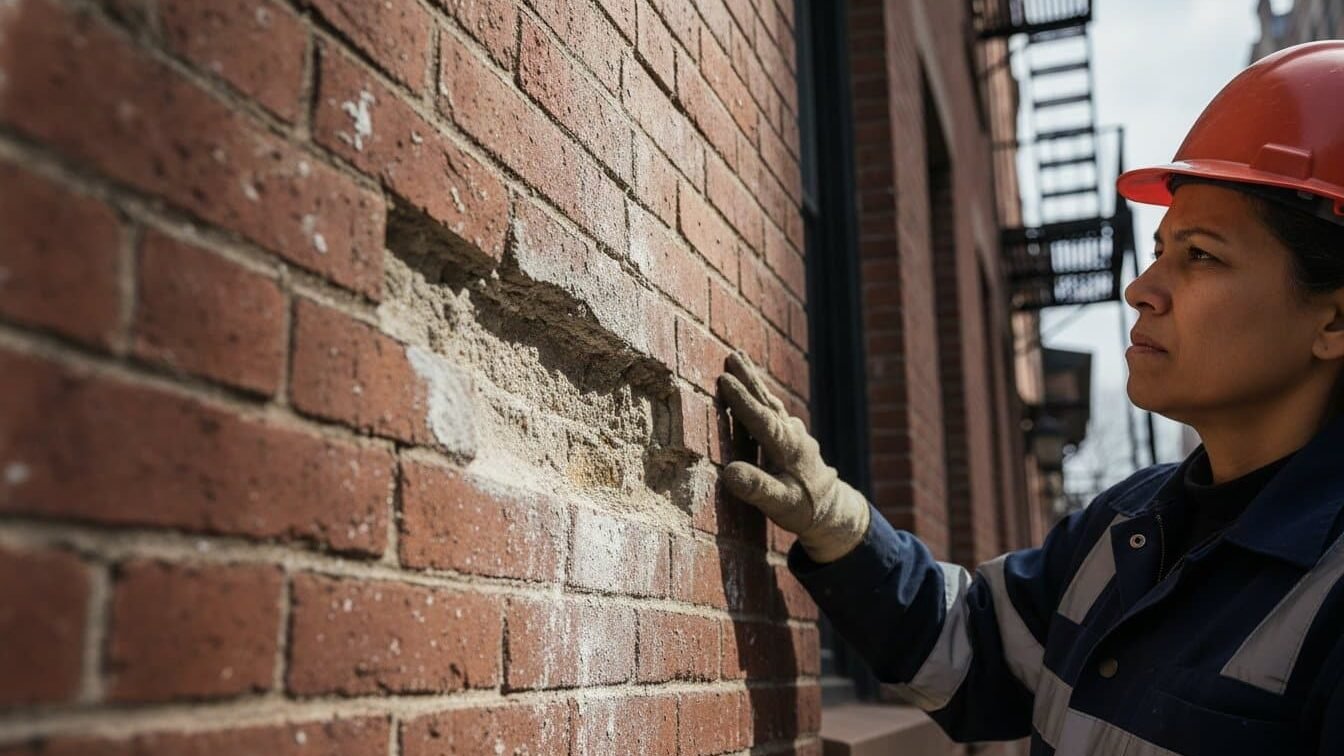
New York City buildings face demanding weather conditions throughout the year. Freezing winter temperatures, summer heat and humidity, heavy rainfall, wind-driven moisture, and repeated temperature changes can gradually weaken brick and mortar. For older brownstones, apartment buildings, commercial properties, and historic masonry structures, these seasonal conditions can contribute to cracking, mortar erosion, spalling, and moisture infiltration.
Understanding how NYC weather affects brickwork can help property owners recognize problems earlier and take action before minor deterioration develops into extensive masonry damage.
How NYC Weather Affects Brickwork
Brick masonry is durable, but it is not completely waterproof. Brick and mortar are porous materials that can absorb moisture from rain, snow, melting ice, and humid conditions. When that moisture remains within the masonry while temperatures fluctuate, deterioration can gradually occur.
Several components of a masonry facade work together to protect the building:
| Component | Primary Function | Common Signs of Deterioration |
|---|---|---|
| Brick | Forms and protects the exterior wall | Spalling, cracks, flaking surfaces, deteriorated corners |
| Mortar joints | Bond masonry units and help manage moisture | Recessed joints, cracking, loose or powdery mortar |
| Wall ties | Help connect masonry veneer to the supporting structure | Bulging, bowing, or movement in sections of brickwork |
| Flashing | Directs moisture away from vulnerable wall areas | Water stains, leaks, or persistent dampness |
| Weep openings | Allow moisture to drain from wall cavities | Trapped moisture or dampness near lower wall areas |
| Coping | Protects the top of parapet and masonry walls | Open joints, cracked coping, staining, or deterioration below |
When one or more of these components deteriorate, water can penetrate deeper into the wall and accelerate damage to surrounding materials.
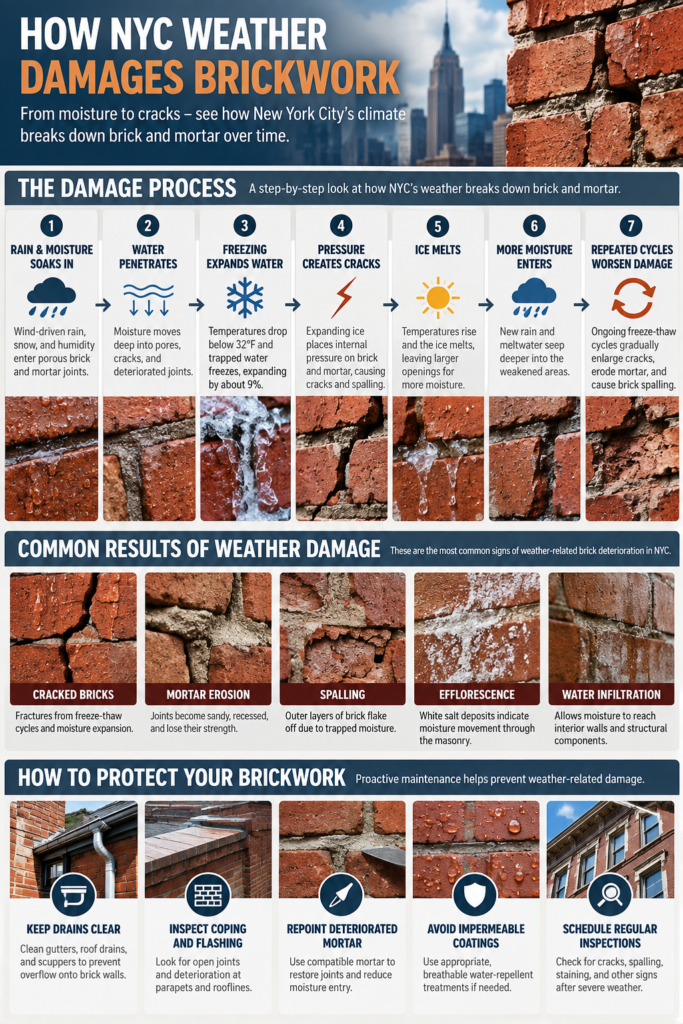
The Freeze-Thaw Cycle on NYC Building Facades
Freeze-thaw activity is one of the most damaging weather-related processes affecting masonry in New York City.
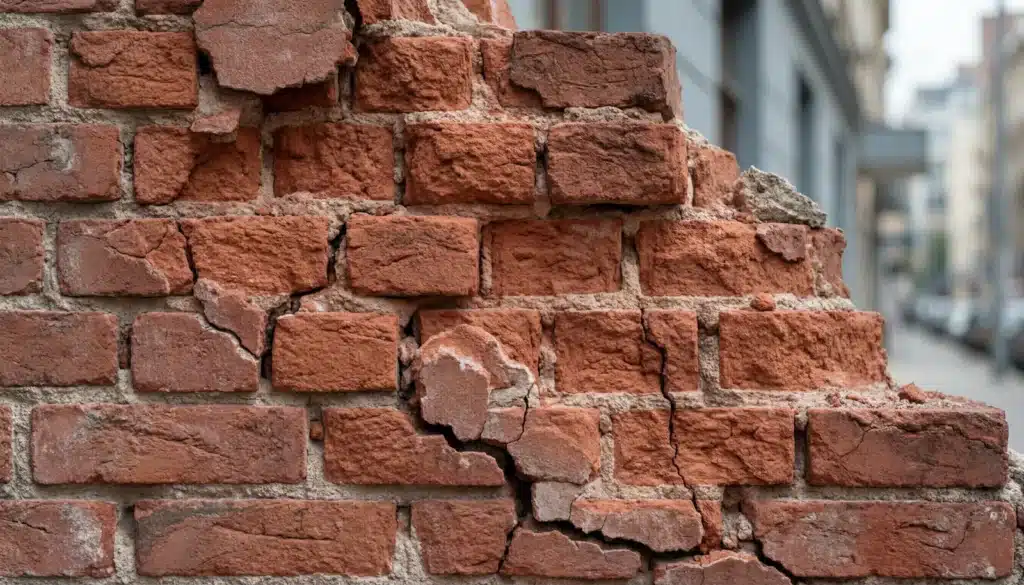
The process begins when rain, melting snow, or other moisture enters porous brick or deteriorated mortar joints. When temperatures fall below freezing, the trapped water freezes and expands. Water expands by approximately 9% when it turns to ice, placing pressure on the surrounding masonry.
A typical freeze-thaw cycle occurs like this:
- Rain, snow, or melting ice introduces moisture into brick and mortar.
- Water enters pores, cracks, and deteriorated mortar joints.
- Temperatures fall below freezing and the trapped moisture turns to ice.
- Expansion places pressure on the surrounding masonry.
- Temperatures rise and the ice melts, leaving existing openings slightly more vulnerable to additional moisture.
- Water enters those weakened areas during subsequent precipitation.
- Repeated freezing and thawing gradually enlarges cracks and contributes to mortar deterioration and brick spalling.
This damage usually develops over repeated seasonal cycles rather than from a single cold day. A facade that appears relatively sound one year may show noticeably greater deterioration after several winters if moisture problems remain unresolved.
Why Moisture Breaks Down Mortar and Brick
Moisture is one of the primary contributors to masonry deterioration. Brick walls are designed to manage a certain amount of moisture, but damaged mortar joints, failed flashing, open coping joints, and other defects can allow excessive water into the wall assembly.
During warmer months, masonry expands as temperatures rise and contracts as temperatures fall. Because brick, mortar, metal, and other building materials respond differently to temperature changes, repeated movement can place stress on joints and connections.
Winter conditions can make existing weaknesses worse. Water trapped within masonry freezes and expands, potentially causing the outer surface of a brick to break away. This deterioration is commonly known as spalling.
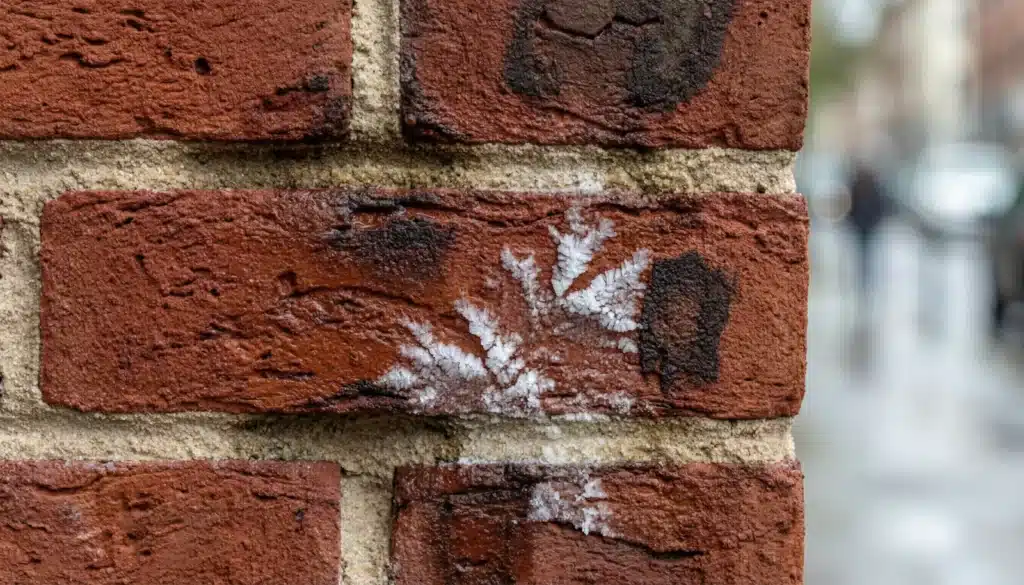
Moisture can also transport soluble salts through masonry. When the water reaches the surface and evaporates, it may leave a white crystalline deposit called efflorescence. While surface efflorescence itself is often primarily an aesthetic issue, recurring deposits can indicate that moisture is moving through the masonry and that the underlying source should be investigated.
Efflorescence is only one warning sign of excess moisture. Property owners should also watch for staining, deteriorated joints, interior dampness, and other signs of water damage in brick walls that may indicate a larger moisture problem.
For taller NYC buildings, facade deterioration also carries important safety and compliance considerations. Under the NYC Department of Buildings Façade Inspection & Safety Program (FISP), owners of buildings higher than six stories are subject to periodic exterior wall and appurtenance inspection requirements.
Common Signs of Weather-Damaged Brickwork
Weather-related masonry problems are often visible before extensive failure occurs. When deterioration includes cracked, spalled, or severely damaged masonry units, professional brick repair and replacement can help address damaged areas before moisture reaches deeper parts of the wall.
Property owners should watch for signs such as:
- Cracked or missing mortar joints
- Flaking or spalling brick surfaces
- Stair-step cracking along mortar joints
- Loose or displaced bricks
- White efflorescence on masonry
- Dark staining or persistent damp areas
- Cracks around windows, lintels, or parapets
- Open joints along coping stones
- Bulging or bowing sections of masonry
- Interior water stains near exterior walls
Not every crack indicates a structural problem. However, widening cracks, displaced masonry, bulging walls, loose materials, or recurring water infiltration should be evaluated by an appropriately qualified professional.
What Property Owners Can Do to Reduce Masonry Damage
Routine maintenance can help limit the amount of moisture reaching exterior masonry and make developing problems easier to identify.
Property owners can:
- Keep roof drains, gutters, and scuppers clear of debris.
- Check parapets and coping for open or deteriorated joints.
- Inspect sealant around windows and other penetrations.
- Look for visible cracks, spalling, staining, and deteriorated mortar.
- Address roof and flashing leaks before they repeatedly saturate masonry.
- Schedule professional inspections when deterioration appears extensive or potentially hazardous.
Ground-level visual checks are particularly useful after winter and following severe storms.
Be Careful With Efflorescence
White powdery deposits on masonry should not automatically be treated as a surface-cleaning problem. Efflorescence occurs when moisture carries soluble salts toward the masonry surface.
Cleaning may improve appearance, but recurring efflorescence means the moisture source should also be identified. Aggressive pressure washing and unsuitable chemical treatments can damage older or deteriorated masonry, so cleaning methods should be selected according to the condition and type of brick.
When Brick Damage Requires Professional Attention
Some maintenance tasks can be handled routinely, but masonry repair becomes more complicated when deterioration involves structural movement, elevated facades, large areas of failed mortar, or falling materials.
Professional evaluation is particularly important when you notice:
- Significant bulging or bowing
- Loose masonry that could fall
- Large or widening cracks
- Extensive brick spalling
- Severely deteriorated mortar joints
- Rusting or failing steel lintels
- Recurring interior water infiltration
- Deteriorated parapet walls
- Cracks that continue through multiple masonry courses
Problems involving movement, loose masonry, extensive deterioration, or elevated exterior walls should be evaluated before repairs are attempted. Identifying the underlying source of deterioration is important because replacing damaged material without correcting moisture entry or movement may only provide a temporary solution.
Keeping NYC Brick Facades Dry and Stable
Preventing masonry deterioration starts with controlling water.
Maintain Roof and Parapet Drainage
Keep roof drains, gutters, and scuppers clear so rainwater can leave the building efficiently instead of overflowing onto masonry walls. Parapet coping and flashing should also be inspected periodically for openings that allow water into the wall.
Repair Deteriorated Mortar Correctly
Repointing involves removing deteriorated mortar and installing compatible replacement mortar. Professional brick pointing services can restore weakened joints, improve the condition of the masonry system, and help reduce pathways for water penetration.
Although the terms are sometimes used interchangeably, tuckpointing and repointing serve different purposes. Understanding the difference between tuckpointing and repointing can help property owners better understand which approach may be appropriate for their brickwork.
The replacement mortar must also be compatible with the existing masonry, particularly on older NYC buildings. Mortar that is substantially harder or less permeable than the surrounding historic brick can contribute to masonry deterioration rather than protecting it.
Avoid Trapping Moisture Inside Masonry
Applying an inappropriate coating to brick can create additional problems. Some impermeable coatings prevent moisture within the wall from evaporating properly, potentially trapping water behind the surface.
Any water-repellent treatment should be selected carefully based on the masonry type, condition, and existing moisture behavior rather than being treated as a universal solution.
Address Cracks Before Water Makes Them Worse
Small openings in mortar joints, coping, flashing, and surrounding facade components provide pathways for rainwater. Correcting the underlying defect early can reduce repeated saturation and freeze-thaw deterioration.
Inspect After Severe Weather
Heavy rain, snowstorms, high winds, and winter freeze-thaw cycles can expose weaknesses that were not previously visible. Periodic inspections make it easier to identify changes before they become larger repair projects.
Why Proper Mortar Selection Matters for Older NYC Brick
Historic brick can be significantly softer than modern masonry materials. Installing a mortar that is considerably harder and less permeable than the surrounding brick can transfer stress into the brick rather than allowing the mortar joint to accommodate movement.
Over time, this can contribute to cracking and deterioration of the brick faces.
Proper repointing is therefore more than filling visible gaps. The existing masonry, mortar composition, joint profile, moisture conditions, and extent of deterioration should all be considered before repair work begins.
Frequently Asked Questions
Can NYC winter weather crack brickwork?
Yes. When moisture enters masonry and repeatedly freezes and thaws, expansion can gradually widen existing cracks, weaken mortar joints, and contribute to brick spalling.
Why is mortar turning into sand between my bricks?
Powdery or crumbling mortar can result from age, prolonged moisture exposure, weathering, incompatible previous repairs, or repeated freeze-thaw activity. Deteriorated joints should be professionally assessed before repointing.
How often should brick mortar be repointed?
There is no universal schedule. Mortar longevity depends on its original composition, workmanship, exposure, drainage, and maintenance. Repointing should be based on actual joint deterioration rather than age alone.
Is spalling brick dangerous?
It can be. Spalling exposes the softer interior of the brick to additional moisture, and loose masonry on elevated facades can create a falling-debris hazard. Extensive spalling should be evaluated promptly.
Can hard mortar damage old brick?
Yes. Mortar that is stronger and less permeable than historic brick can contribute to deterioration of the masonry, particularly when the replacement mortar is incompatible with the original materials.
Does salt contribute to masonry deterioration?
Yes. Salts transported by moisture can crystallize within masonry pores as water evaporates. Repeated salt accumulation can contribute to deterioration, particularly where masonry is frequently exposed to moisture.
What are the first signs of moisture problems in brickwork?
Common early signs include efflorescence, dark staining, deteriorated mortar, localized spalling, open joints, and recurring interior dampness near exterior masonry walls.
Conclusion
New York City’s changing weather places continuous stress on brick facades. Rain and moisture infiltration, summer heat, winter freezing, and repeated temperature changes can gradually weaken mortar joints, damage brick surfaces, and create pathways for water to enter a building. Regular inspections, effective drainage, compatible repointing, and timely masonry repairs can help prevent small defects from developing into more extensive facade problems.
When brickwork shows significant cracking, spalling, deteriorated mortar, parapet damage, or recurring moisture problems, professional evaluation is the safest approach. Brick Tech Contracting Corp provides brickwork, masonry repair, brick pointing, waterproofing, and exterior construction services throughout the NYC area, helping property owners address weather-related deterioration and maintain durable building exteriors.
Whether your property requires targeted brick repairs, deteriorated mortar replacement, moisture protection, or more extensive exterior restoration, Brick Tech Contracting Corp can help identify problem areas and provide repair solutions suited to the demands of New York City buildings and weather conditions.