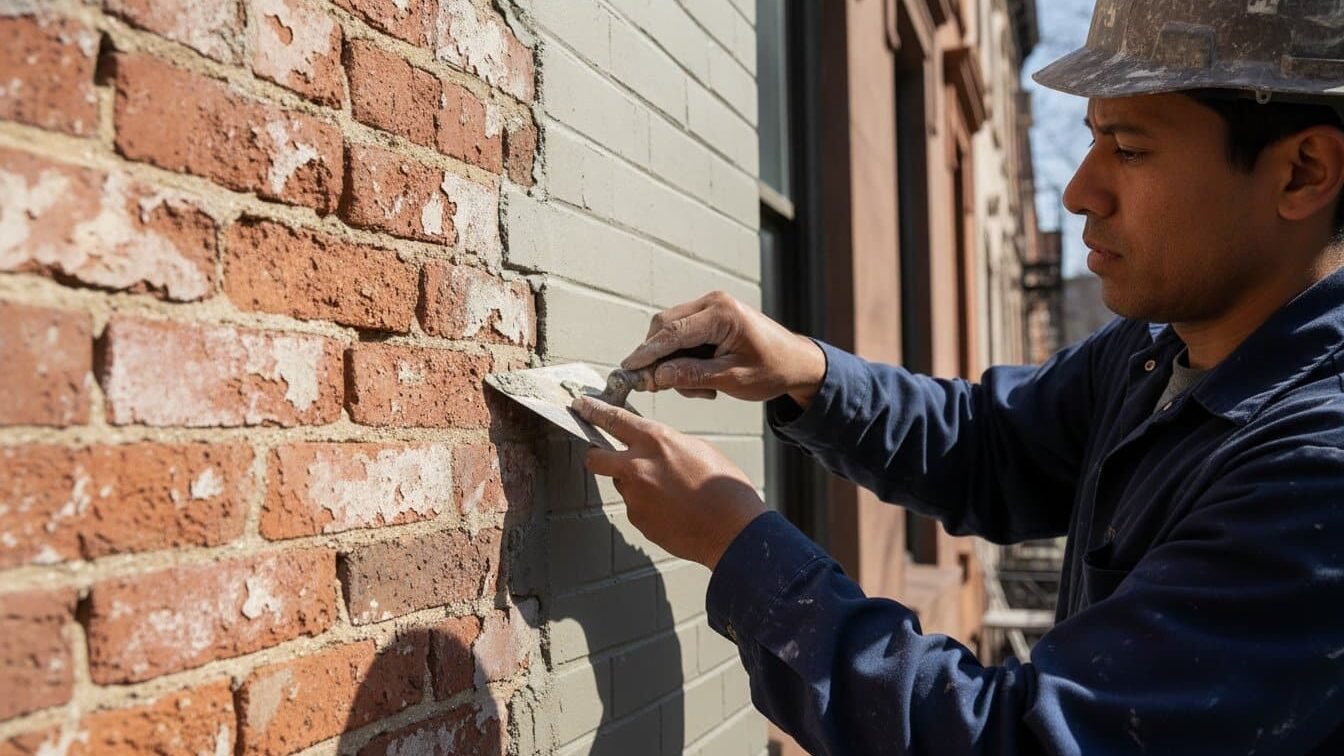
If you notice red flakes of masonry piling up on your sidewalk, your building isn’t just showing its age; it’s shedding its primary defense system. In a city where the “freeze-thaw-salt” cycle is a relentless reality, ignoring those chipped surfaces can quickly lead to structural instability or costly safety violations. You likely worry that these small cracks are a precursor to a massive repair bill, and you’re right to be concerned about the safety of your tenants and the integrity of your investment.
We understand that maintaining a facade in the five boroughs requires more than just a quick patch job. It demands a long-term strategy to keep your property waterproof and compliant with the newest 2026 safety regulations. This guide provides everything you need to know about brick spalling repair NYC, from identifying early deterioration to executing a restoration that lasts for decades. You’ll learn how to stop the damage, restore your building’s curb appeal, and ensure your facade meets the strict standards of the newest “Get Sheds Down” initiatives while avoiding the trap of mounting penalties. We’ll walk you through the technical process of matching historic masonry and the importance of professional waterproofing to secure your property’s future.
Key Takeaways
- Identify the early signs of the “spalling spiral” to prevent moisture from compromising your building’s porous interior and structural stability.
- Master the “tap test” to accurately diagnose hollow-sounding bricks and determine if your facade requires surface-level restoration or deep structural replacement.
- Follow a methodical workflow for brick spalling repair NYC that prioritizes pedestrian safety and the precise extraction of damaged masonry.
- Understand how NYC’s unique freeze-thaw cycles and sidewalk de-icing salts accelerate masonry decay, making proactive maintenance essential for property value.
- Implement long-term protection strategies using professional waterproofing and breathable shields like Thorocoat to ensure your facade remains resilient against the elements.
Brick Spalling: Why It’s Dangerous for NYC Buildings
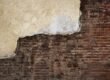
Brick spalling occurs when the outer surface of a masonry unit begins to flake, peel, or crumble away from the structure. It’s more than a cosmetic flaw; it’s a physical breakdown of the building’s primary defense. This process creates a “spalling spiral” that can quickly compromise the entire facade. Bricks are manufactured with a hardened outer layer known as the fire-skin. Once this layer fails, the porous interior is exposed to the elements. This soft core absorbs water much faster than the exterior. This leads to rapid deterioration as moisture trapped inside expands and contracts, forcing more material to break away.
In high-density areas like Brooklyn or Manhattan, this isn’t just a maintenance issue; it’s a safety hazard. Falling debris can cause serious injury to pedestrians. Local regulations like Local Law 11 demand that these conditions be addressed immediately to protect the public. For historic brownstones and pre-war apartments, spalling destroys the intricate masonry details that define the building’s value and character. Investing in brick spalling repair NYC early prevents these small flakes from turning into a total facade failure that requires a full rebuild.
Identifying Early Warning Signs of Masonry Decay
You don’t need to be a mason to spot the early stages of decay. Catching these signs early allows for targeted brick spalling repair NYC before the damage spreads to the structural core. Keep an eye out for these specific indicators:
- Brick Dust: Look for small piles of orange or red flakes at the base of your exterior walls. This is often the first physical evidence of a failing surface.
- Face Cracks: Check for hairline cracks that cut directly through the face of the brick. Unlike mortar cracks, these indicate the brick unit itself is under extreme stress.
- Bulging Units: Watch for bricks that seem to be pushing outward. This happens when internal pressure from rusted wall ties or frozen moisture pushes the brick face away from the backup wall.
The Difference Between Spalling and Efflorescence
Many property owners confuse spalling with white, powdery stains on their walls. Understanding what is efflorescence is key to a proper diagnosis. Efflorescence is the migration of salt to the surface of a porous material, where it forms a white deposit. While these salt crystals are generally harmless to the brick’s structure, they are an “additive” process where minerals are left behind.
Spalling is “subtractive” because you’re losing actual building material. However, efflorescence is often a precursor to spalling. It proves that water is moving through your masonry. If you don’t control this moisture, those salt deposits will eventually crystallize inside the brick pores. This creates enough internal pressure to pop the face off the brick entirely. Treating the white powder today can prevent the crumbling brick of tomorrow.
Root Causes: Why New York City Masonry Suffers from Spalling
New York City’s climate is uniquely aggressive toward masonry. The primary culprit is the freeze-thaw cycle. During our fluctuating winters, moisture enters the brick’s pores and freezes when temperatures drop below 32°F. Since water expands by approximately 9% when it turns to ice, it exerts massive internal pressure. Repeated cycles of freezing and thawing eventually overcome the brick’s strength, causing the face to pop off. This is why early brick spalling repair NYC is essential to prevent deeper structural damage before the next winter hits.
Salt damage is another localized threat that many owners overlook. The heavy use of de-icing salts on NYC sidewalks leads to a process called sub-florescence. While surface salts are unsightly, sub-florescence occurs when salt crystals grow within the brick’s internal pores. This crystallization creates enough force to shatter the brick from the inside out. Additionally, high-rise buildings face wind-driven rain that hits upper stories with significant force. This creates hydrostatic pressure, which is the force exerted by a fluid due to gravity or external wind pressure that pushes rainwater deep into the masonry pores.
In many cases, the damage is actually caused by previous poor repairs. Historic NYC buildings often use soft, hand-molded bricks. If a contractor uses modern, hard Portland cement for pointing instead of a compatible lime-based mortar, the brick is doomed. The mortar must be softer than the brick to act as a sacrificial joint. When the mortar is too hard, the brick cannot expand or contract, leading to pressure-driven spalling along the edges. If you’re concerned about the quality of past work, a professional facade assessment can determine if your mortar is compatible with your masonry.
The Role of Water Infiltration in Brick Failure
Moisture doesn’t always come from the sky. Leaking parapets or clogged gutter systems often direct a steady stream of water into the wall cavity. Once the interior of the wall is saturated, the bricks begin to wick moisture through capillary action. This keeps the masonry constantly damp, making it far more susceptible to freeze-thaw damage. Ensuring your drainage systems are clear is a critical step in stopping the spalling cycle. Professional brick spalling repair NYC often starts with fixing these underlying water management issues.
Pollution and Chemical Weathering in the Urban Environment
The NYC environment adds chemical stress to the physical damage. Acidic rain reacts with the calcium carbonate found in certain types of brick and stone, weakening their structure. Over time, urban pollution creates thick carbon crusts on the building’s surface. These crusts are dangerous because they trap moisture behind the brick face, preventing the masonry from breathing. Regular maintenance is necessary to remove these deposits before they cause the surface to delaminate and fail completely.
Assessment and Diagnostics: Should You Repair or Replace?
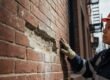
Determining whether your facade requires localized attention or a full scale overhaul begins with a thorough diagnostic phase. Professionals often perform a “tap test” using a masonry hammer. A sharp, ringing sound indicates a solid bond. A dull, hollow thud reveals that the brick’s face has detached from its core, even if it hasn’t fallen off yet. This delamination is a clear signal that brick spalling repair NYC is necessary to prevent the face from becoming a falling hazard. We also evaluate the percentage of the facade affected; if more than 20% of the bricks show signs of failure, a more comprehensive restoration strategy is usually required to ensure long term stability.
We also evaluate the depth of the damage. Surface level flaking might only affect the aesthetic fire-skin, while deep structural crumbling suggests the moisture has reached the building’s interior. During this assessment, we look closely at the mortar joints. The role of brick pointing NYC cannot be overstated; often, failing mortar is the entry point for the water causing the spalling. Stabilizing these joints is frequently the first step in protecting the surrounding healthy bricks and preventing the spread of moisture to the wall’s core.
When Localized Repair is the Best Option
If only a few isolated bricks show minor flaking and the core remains dense and dry, localized repair is often the most efficient path. For cosmetic damage less than 3/4 inch deep, specialized masonry patching compounds can be applied. These are not standard mortars; they are engineered to mimic the breathability and expansion of the original brick. We prioritize meticulous color matching during this process. A patch that doesn’t match the historic hue of your building becomes a permanent blemish, detracting from the property’s curb appeal and resale value.
When Full Brick Replacement is Mandatory
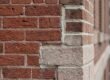
Replacement becomes mandatory when a brick has lost more than 3/4 inch of its original face or if the unit is physically loose. If the masonry is crumbling into the wall cavity, it can no longer support its own weight or the weight of the units above it. In these cases, brick spalling repair NYC involves the careful extraction and replacement of the individual units. Sourcing is the greatest challenge here. For NYC’s pre-war buildings, we often track down salvaged bricks or order custom fired units to ensure the new masonry blends seamlessly with the original facade using historic masonry techniques.

The Professional Spalling Repair Process: A Step-by-Step Guide
Executing a successful brick spalling repair NYC requires a methodical approach that respects the building’s age and structural needs. We don’t just patch the surface; we follow a rigorous five-step protocol to ensure the restoration is permanent. Every project begins with a focus on safety and precision to protect both the property and the public.
- Step 1: Preparation and Safety. We secure the work zone by erecting scaffolding or sidewalk sheds. These installations comply with NYC’s “Get Sheds Down” initiatives, providing essential pedestrian protection while we access the upper stories.
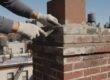
- Step 2: Careful Extraction. Our team removes damaged bricks using hand tools or low-vibration saws. This technique prevents micro-cracking in the adjacent healthy units, which is a common risk when using heavy power tools.
- Step 3: Cavity Cleaning and Inspection. Once the brick is out, we clean the wall cavity and inspect for hidden steel lintel corrosion. Rusted metal expands and exerts “oxide jacking” pressure, which is a frequent cause of spalling.
- Step 4: Installation. We install matched bricks using “breathable” lime-based mortar. This ensures the new units integrate perfectly with the existing wall’s structural behavior.
- Step 5: Final Protection. After the mortar cures, we perform a final cleaning and apply a breathable water repellent. This creates a shield against NYC’s harsh winters without trapping internal vapors.
The Art of Mortar and Brick Matching
Modern “off-the-shelf” mortars often fail historic NYC buildings because their compressive strength is too high. When mortar is harder than the brick, it forces the brick to take the brunt of thermal expansion, leading to further cracking. We analyze original mortar samples to determine the precise sand-to-lime ratios required for a compatible bond. Matching the pore structure of the brick is just as important as the color because it ensures moisture moves through the new masonry at the same rate as the rest of the facade.
Addressing Underlying Water Issues During Repair
Repairing the surface without fixing the water source is a temporary fix. We carefully inspect the parapet wall construction New York for leaks that might be saturating the wall from the roofline down. During the repair, we install weep holes to provide a dedicated exit path for trapped internal moisture. We also verify that window lintel flashing is correctly installed to divert water away from the masonry face. If your building’s exterior is shedding flakes or dust, don’t wait for a violation; contact us for a professional facade restoration consultation today.
Long-Term Prevention: Protecting Your NYC Facade from Future Spalling
Preventative maintenance is the most cost-effective way to manage a building’s exterior. Once you have completed the initial brick spalling repair NYC, you must address the environmental factors that caused the decay. Working with a professional waterproofing contractor NYC ensures that your masonry remains dry during the critical winter months. Beyond structural safety, a well-maintained facade protects you from administrative headaches. Crumbling masonry often leads to sidewalk debris, which can complicate NYC sidewalk violation removal and result in heavy fines from the Department of Buildings under the 2026 “Get Sheds Down” enforcement rules.
Breathable Coatings vs. Sealing: Making the Right Choice
Many property owners make the mistake of using non-breathable “sealers” on their brickwork. These products create a plastic-like film that traps moisture inside the wall. When this trapped water freezes, it exerts pressure that causes the brick face to pop off, leading to even more severe spalling than before. We recommend breathable silane or siloxane water repellents that penetrate deep into the pores without changing the brick’s appearance. For buildings requiring more robust protection, we offer Thorocoat services. This specialized coating is engineered to bridge hairline cracks and provide a decorative finish while still allowing internal water vapor to escape safely.
The Value of a Maintenance Partnership with Brick Tech
Protecting your investment requires a long-term perspective rather than a series of quick fixes. At Brick Tech Contracting Corp, we’ve served the five boroughs since 1980, specializing in the unique masonry challenges of the New York City landscape. As a family-owned firm, we view every project as a partnership aimed at ensuring your property’s longevity and structural integrity. Regular facade inspections, especially as we move through FISP Cycle 10, allow us to catch minor cracks or mortar erosion before they escalate into the “spalling spiral” discussed earlier in this guide. This proactive approach saves you from the high costs of emergency repairs and the stress of Local Law 11 non-compliance.
If you’ve noticed early signs of masonry decay or want to protect your building from the next winter cycle, our team is ready to help. We provide the technical expertise and high-quality brick spalling repair NYC residents have trusted for over four decades. Contact Brick Tech for a Professional Facade Assessment to secure your property’s future today.
Secure Your Property’s Structural Integrity Today
Ignoring the early warning signs of masonry decay puts your building at risk for structural instability and expensive safety violations. By understanding the “spalling spiral” and the importance of matching historic brick and mortar, you can stop deterioration before it requires a full facade rebuild. Implementing breathable solutions like Thorocoat and professional waterproofing will keep your property resilient against the city’s harsh freeze-thaw cycles for decades to come.
Brick Tech Contracting Corp has been serving the five boroughs since 1980 as a family-owned team of licensed and insured masonry experts. We specialize in precision brick spalling repair NYC and high-performance exterior protection. Our goal is to provide you with peace of mind through durable craftsmanship and transparent service. Don’t let minor flaking turn into a major liability. Protect your building’s future—get a free brick spalling repair estimate from Brick Tech Contracting today! We look forward to helping you preserve your investment.
Frequently Asked Questions
Can I just paint over spalling brick to hide it?
You shouldn’t paint over spalling brick because standard paint creates a non-breathable seal. This film traps water within the masonry, which leads to rapid internal decay and more severe flaking during winter cycles. Instead of hiding the damage, you should address the root cause with professional brick spalling repair NYC. We recommend breathable coatings like Thorocoat that allow water vapor to escape while providing a fresh, uniform look for your property’s exterior.
How much does brick spalling repair typically cost in NYC?
The cost of masonry restoration in New York depends on several variables, including the height of the building and the accessibility of the damaged areas. Projects that require extensive scaffolding or sidewalk sheds will naturally have a different budget than ground-level repairs. Additionally, the need for custom-fired bricks to match historic facades can influence the final investment. We recommend a professional assessment to determine the specific scope of work required for your property’s unique needs.
Is spalling brick a sign of a foundation problem?
How long does a professional brick restoration last?
A high-quality professional restoration can last between 20 and 30 years when executed with the correct materials. The longevity of the repair depends on using lime-based mortars that match the original masonry’s strength and breathability. Regular maintenance, such as cleaning gutters and applying breathable water repellents every 5 to 10 years, will extend this lifespan. Our team focuses on long-term stability to ensure your investment remains protected against the aggressive NYC climate.
What happens if I ignore spalling on my NYC building?
Newer buildings often suffer from spalling because of the use of hard Portland cement mortar with relatively soft modern bricks. This mismatch prevents the wall from breathing and forces moisture to exit through the brick face rather than the mortar joints. Additionally, some contemporary manufacturing processes produce bricks that are more porous than the dense units found in 19th-century brownstones. Brick repair solutions involve correcting these material conflicts to restore the facade’s durability.
Does insurance cover brick spalling repair?
Most standard property insurance policies don’t cover spalling because it’s classified as gradual wear and tear or a maintenance issue. Insurance generally applies to sudden, accidental damage like a fire or a vehicle impact. It’s always wise to review your specific policy with an agent to confirm your coverage details. Since most owners pay for these repairs out of pocket, catching the damage early is the best strategy to keep your long-term maintenance costs manageable.
What is the best time of year to perform masonry repairs in New York?
The ideal window for masonry work in the five boroughs is during the spring and fall when temperatures stay between 40°F and 80°F. Mortar requires a steady environment to cure properly without freezing or drying too quickly. While we can perform certain repairs in the summer with proper shading and hydration, we generally avoid structural work during the peak of winter. Planning your restoration for moderate weather ensures the strongest bond possible for the new masonry.