Did you know that as of January 2026, the “Get Sheds Down” legislation introduces heavy penalties for Manhattan building owners who let sidewalk sheds linger without active repairs? For many, a shed is a constant reminder of the high costs and liability risks associated with falling masonry debris. You likely feel the pressure of the current FISP Cycle 10 requirements, especially if your building falls into the Sub-cycle 10B window for block numbers ending in 0, 7, or 8. It’s a complex environment where one missed deadline leads to thousands in monthly fines.
This guide provides facade maintenance tips to help you master commercial building facade maintenance Manhattan so you can protect your property’s value and stay ahead of the New York City Department of Buildings. We’ll provide a clear path through the complexities of structural masonry restoration and Local Law 11 compliance. You’ll learn how to transition from reactive, emergency fixes to a proactive maintenance program that extends the lifespan of your building envelope. We cover everything from the latest digital filing mandates in the DOB NOW portal to the practical steps of brick pointing and waterproofing that keep your structure resilient against the elements.
Key Takeaways
- Navigate FISP Cycle 10 deadlines and the 2026 “Get Sheds Down” legislation to avoid heavy monthly penalties and unnecessary sidewalk shed costs.
- Learn why proactive brick pointing and parapet wall care are your primary defenses against Manhattan’s unique wind-driven erosion and water infiltration.
- Master the complexities of commercial building facade maintenance Manhattan to shift from reactive emergency fixes to a predictable, compliant maintenance budget.
- Understand how to interpret Safe, SWARMP, and Unsafe ratings to prioritize structural masonry restoration and maintain your building’s long-term safety.
- Implement a quarterly inspection protocol focusing on the “Wet Zone” and window perimeters to identify early signs of deterioration before they become liabilities.
Understanding Manhattan’s Unique Facade Maintenance Challenges
Effective commercial building facade maintenance Manhattan is more than a series of cosmetic repairs. It’s a proactive structural preservation strategy designed to defend your asset against one of the most aggressive urban environments in the world. Manhattan’s “canyon effect” creates high-velocity wind tunnels that force moisture deep into mortar joints. This constant pressure accelerates erosion, eventually compromising the bond between masonry units. When water bypasses these joints, it reaches the building’s internal steel frame, leading to rust and structural expansion that can crack even the sturdiest brickwork.
The challenges aren’t just atmospheric. Manhattan’s high-density urban pollution introduces high levels of carbon dioxide and sulfur, which react with moisture to form weak acids. This process, known as carbonation, slowly dissolves the lime in older mortar and creates chemical erosion on limestone surfaces. The constant vibration from subway lines and heavy street traffic acts as a silent stressor. These micro-vibrations gradually loosen facade anchors and ties, creating hidden hazards that often go unnoticed until a FISP inspection reveals a “Safe with a Repair and Maintenance Program” (SWARMP) or “Unsafe” condition.
Manhattan Environmental Stressors
The local climate demands a specific approach to protection. Acidic rain and urban smog create a corrosive film on building exteriors, while the freeze-thaw cycle remains a primary cause of masonry failure. During winter, water trapped in porous materials expands as it freezes, exerting immense internal pressure that causes spalling and cracking. For properties near the East or Hudson Rivers, salt air adds another layer of complexity. Airborne chlorides can penetrate the building envelope, accelerating the corrosion of metal components like lintels and fire escapes.
The Anatomy of a Manhattan Building Envelope
The Core Components of Structural Facade Maintenance
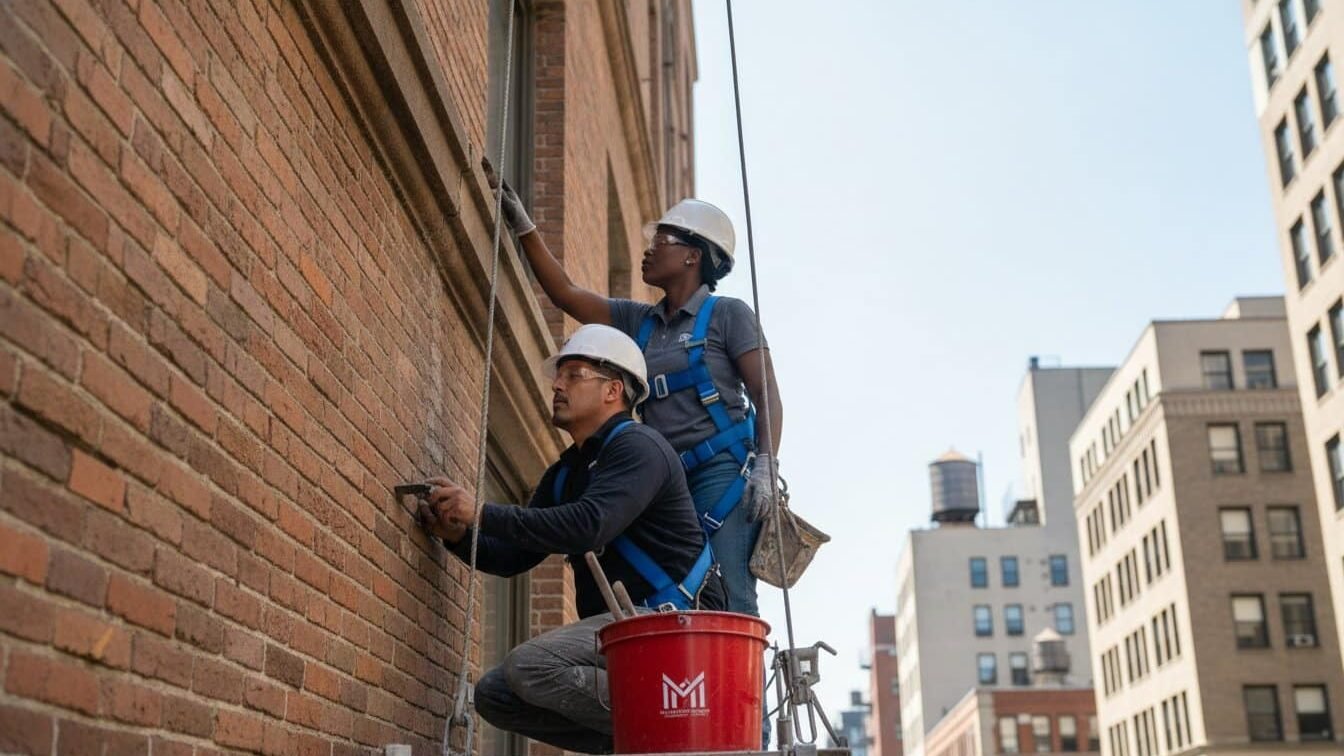
A building’s exterior is a complex system of interconnected parts. Effective commercial building facade maintenance Manhattan requires a holistic approach that addresses every layer of the building envelope. It’s not enough to fix a single crack; you must understand the underlying cause of the failure. This process often begins with professional power washing services. Removing layers of carbon crust and urban pollutants isn’t just for aesthetics. It acts as a diagnostic tool, revealing hairline cracks and hidden masonry defects that standard visual checks might miss. Once the surface is clean, we can accurately assess the health of your mortar joints and structural anchors.
Waterproofing and sealants provide the final seal for this protective system. We focus heavily on the “wet zone,” specifically window perimeters and transitions where different materials meet. These areas are prone to sealant failure due to the constant expansion and contraction of the building. By maintaining high-quality waterproofing, we protect internal steel components like lintels and shelf angles from “rust jacking.” This phenomenon occurs when rusted steel expands to several times its original size, exerting enough force to shatter the surrounding masonry. If you’ve noticed rust stains or cracked bricks near window headers, a consultation with Brick Tech Contracting can help identify the source before it becomes a FISP violation.
Strategic Brick Pointing and Masonry Repair
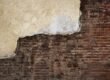
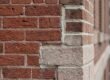
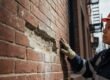
Brick pointing is your first line of defense against the elements. When mortar joints deteriorate, they allow water to bypass the facade and enter the wall cavity. You should look for specific warning signs like spalling, where the brick face begins to flake off, or efflorescence, which appears as white, powdery salt deposits. These indicate that moisture is trapped within the masonry. In Manhattan’s historic districts, matching the original mortar type is essential. Using a modern, high-strength mortar on older, softer bricks can cause the bricks themselves to crack. Expert brick pointing NYC ensures that the new mortar is compatible with the existing structure, allowing the wall to breathe while keeping moisture out.
Parapet Wall Integrity and Safety
Parapet walls are among the most vulnerable parts of a Manhattan structure. Because they are exposed to weather on both sides, they experience extreme thermal stress. Ensuring proper parapet wall construction New York standards is a critical safety priority. Common failures include leaning walls, displaced coping stones, or vertical cracking at the corners. Under NYC Local Law 126, building owners are now required to conduct annual visual inspections of their parapets. Neglecting these structures doesn’t just lead to leaks; it creates a significant liability risk if masonry debris falls to the sidewalk below.
Navigating NYC Compliance: FISP and Local Law 11
Compliance in New York City is a complex, high-stakes responsibility that requires more than just a passing knowledge of building regulations in NYC. For property owners, commercial building facade maintenance Manhattan is legally anchored by the Facade Inspection Safety Program (FISP), formerly known as Local Law 11. This mandate requires owners of buildings over six stories to have their exterior walls and appurtenances inspected every five years. In 2026, the stakes are higher than ever. The NYC Department of Buildings (DOB) has increased the rigor of these inspections, now requiring a close-up examination for every 60 feet of facade. Failing to meet these standards doesn’t just risk a violation; it creates a significant financial drain through mandatory sidewalk sheds and escalating fines.
The results of a FISP inspection fall into three categories: Safe, Safe with a Repair and Maintenance Program (SWARMP), or Unsafe. A “Safe” rating requires no immediate action. However, a SWARMP rating is a ticking clock. It identifies conditions that aren’t dangerous today but will become “Unsafe” if not addressed before the next cycle. If a building is rated “Unsafe,” the owner must immediately install a sidewalk shed and begin repairs. As of January 2026, the “Get Sheds Down” legislation penalizes owners who leave these sheds up long-term without active progress. Installation costs for these sheds currently range from $40 to $100 per linear foot, with similar monthly rental fees, making a proactive repair strategy far more cost-effective than a reactive one.
FISP Cycle 10 Requirements and Deadlines
We’re currently in FISP Cycle 10, which runs from February 21, 2025, through February 21, 2030. Property owners must be acutely aware of their specific filing windows. For buildings with block numbers ending in 0, 7, or 8, the filing window for Sub-cycle 10B opens on February 21, 2026, and closes on February 21, 2028. You must hire a Qualified Exterior Wall Inspector (QEWI) to conduct the inspection and submit the report through the DOB NOW portal. Missing these deadlines is expensive; the penalty for a late filing is $5,000, plus an additional $1,000 for every month the report is delayed.
Local Law 11 Repair Strategies
Transitioning from an Unsafe or SWARMP status to a Safe status requires a methodical repair plan. This often involves addressing structural cracks and lintel corrosion that we discussed in previous sections. Once structural integrity is restored, the final step is ensuring the building is watertight. It’s essential to work with an experienced waterproofing contractor NYC to seal the building envelope. This prevents the moisture infiltration that leads to the very defects FISP inspectors look for. By combining structural masonry restoration with high-grade sealants, you ensure your next inspection report returns a “Safe” rating, protecting both your budget and your tenants.

Proactive Maintenance Protocol for Manhattan Managers
Managing a high-rise property requires a shift from reactive repairs to a structured management protocol. Consistent commercial building facade maintenance Manhattan relies on quarterly visual inspections conducted from both the street level and the roof. These internal reviews allow managers to spot minor defects before they escalate into “Unsafe” conditions that trigger mandatory sidewalk sheds. By documenting these findings, you create a paper trail that simplifies future FISP filings and provides essential evidence for insurance claims after severe weather events.
We recommend focusing heavily on the “Wet Zone.” This includes window perimeters, expansion joints, and transitions between masonry and metal. These areas are the most common points of failure for waterproofing systems. Regular power washing services should be integrated into this schedule. Beyond cleaning, power washing removes salt deposits and acidic films that accelerate masonry decay. If you need a professional assessment of your building’s current condition, contact Brick Tech Contracting for expert guidance on establishing a maintenance schedule.
Early Warning Signs of Facade Distress
Training your staff to recognize early warning signs can save hundreds of thousands in emergency restoration costs. Look for spalling brick, where the face of the masonry flaked off due to internal pressure. Stone delamination is a similar concern for limestone or brownstone buildings. Pay close attention to “stair-step” cracking in mortar joints; this often indicates minor settlement or structural shifting. Finally, look for rust bloom or bulging masonry around window headers. These are visual cues for rusted steel lintels that require immediate attention before they lose their load-bearing capacity.
Post-Storm Maintenance and Inspection
Manhattan’s severe weather requires immediate follow-up. After high-wind events, inspect the facade for loose masonry or displaced coping stones that could become falling hazards. Winter storms bring the risk of ice-damming. When drainage systems on parapets or balconies become clogged with debris, melting snow can back up under roofing membranes or into facade cracks. This trapped water then undergoes the freeze-thaw cycle, causing rapid deterioration. Clearing debris from gutters and scuppers ensures proper runoff and protects the integrity of your masonry during the harshest months of the year.
Choosing a Manhattan Facade Restoration Partner
Selecting a partner for commercial building facade maintenance Manhattan is a decision that impacts your property’s safety and financial health for decades. It isn’t just about finding a contractor; it’s about finding a specialist who understands the interplay between historic masonry and modern NYC building codes. You need a team that brings hands-on precision to every brick pointing project and structural repair. While many general contractors offer broad services, a dedicated masonry firm possesses the specific technical expertise required to match historic mortars and properly secure failing facade anchors.
Familiarity with the NYC Department of Buildings (DOB) is non-negotiable. Your partner must navigate the nuances of FISP Cycle 10 and the digital filing requirements of the DOB NOW portal with confidence. Liability is another critical factor. Ensure your restoration partner maintains rigorous safety standards, including OSHA compliance and specialized certifications for high-rise work. Brick Tech Contracting Corp has served as Manhattan’s trusted masonry expert since 1980. This longevity reflects our deep commitment to the city’s architectural heritage and a reliable, family-owned approach to every partnership.
The Brick Tech Advantage for Commercial Properties
We provide a specialized focus on facade restoration that prioritizes structural integrity over superficial fixes. One of the biggest pain points for property owners is budget uncertainty during large-scale projects. We address this through a proven track record of facade restoration cost NYC transparency, providing clear expectations from the initial assessment. Our comprehensive capabilities include:
- Expert brick pointing and structural masonry restoration
- Professional parapet wall construction and coping stone replacement
- Waterproofing services and high-grade sealant application
- NYC sidewalk repair and violation removal
- Chimney repair and fire escape painting
Getting Started with Your Maintenance Plan
Securing your building’s future begins with a professional facade assessment. Instead of facing a massive, unmanageable bill all at once, we help you develop a phased repair strategy. This methodical approach allows you to address critical “Unsafe” or SWARMP conditions first while budgeting effectively for long-term envelope care. By identifying issues early, you extend the lifespan of your materials and avoid the heavy penalties associated with late FISP filings. Don’t wait for a violation to take action. Contact Brick Tech Contracting today to establish a commercial building facade maintenance Manhattan plan that protects your investment and ensures the safety of your tenants.
Protecting Your Manhattan Property Assets
Maintaining a high-rise in New York City requires a steady hand and a long-term vision. By prioritizing proactive commercial building facade maintenance Manhattan, you do more than just avoid DOB penalties. You’re actively extending the lifespan of your building’s envelope and preventing the structural decay that stems from moisture infiltration and neglect. Whether you’re navigating the filing windows of FISP Cycle 10 or addressing localized parapet instability, a methodical approach ensures your property remains a safe, compliant, and valuable asset for years to come.
Brick Tech Contracting Corp has served as a reliable expert in this landscape since 1980. As a family-owned and operated business, we specialize in the technical nuances of Local Law 11 repairs and comprehensive masonry and waterproofing solutions. We understand the bureaucracy of NYC compliance just as well as the craft of restoration. Don’t wait for a violation or a hazardous condition to force your hand. Request a Professional Facade Maintenance Quote from Brick Tech Contracting today. We’re here to help you build a predictable maintenance budget and provide the peace of mind that comes with seasoned craftsmanship.
Frequently Asked Questions
How often should a commercial facade in Manhattan be inspected?
Commercial buildings over six stories require a professional inspection every five years under the Facade Inspection Safety Program. For optimal commercial building facade maintenance Manhattan, property managers should also conduct quarterly visual walk-throughs. These internal reviews help identify hairline cracks or loose masonry between formal cycles. Catching small defects early prevents them from becoming “Unsafe” conditions that require expensive sidewalk sheds and emergency restoration work during the next FISP filing window.
What is the difference between FISP and Local Law 11?
FISP and Local Law 11 refer to the same set of safety regulations for New York City facades. Local Law 11 was passed in 1998 to expand upon the original 1980 facade safety law. Today, the Department of Buildings uses the term Facade Inspection Safety Program to describe the periodic inspection and repair mandate. Both terms require building owners to hire a Qualified Exterior Wall Inspector to certify that their building envelope is structurally sound.
How much does facade maintenance typically cost for a Manhattan building?
The cost of maintaining a Manhattan facade depends on the building’s height, material type, and current state of repair. Minor preventative measures like power washing and localized sealant replacement are significantly more affordable than structural masonry restoration. Factors such as the need for sidewalk sheds, DOB filing fees, and the complexity of the architectural details also influence the final budget. We recommend a professional assessment to determine the specific needs and phased costs for your property.
What are the most common causes of facade failure in NYC?
Water infiltration is the leading cause of facade failure in Manhattan. When moisture enters the masonry, it triggers the freeze-thaw cycle, which causes bricks to spall and mortar to crumble. This moisture also reaches internal steel lintels and shelf angles, leading to “rust jacking” where expanding rust shatters the surrounding masonry. Urban pollutants and micro-vibrations from subway traffic further accelerate this deterioration by weakening the chemical bonds in older mortar and loosening facade anchors.
Can I perform facade repairs without a DOB permit?
Minor maintenance tasks like power washing or very limited masonry cleaning often don’t require a permit. However, most structural repairs, including significant brick pointing and parapet wall reconstruction, are subject to permit requirements from the NYC Department of Buildings. Performing work without the necessary filings can lead to “Stop Work Orders” and heavy fines. It’s essential to consult with an experienced contractor who understands which specific repairs require formal DOB approval and professional engineering oversight.
What happens if my building is classified as Unsafe during a FISP inspection?
If your building receives an “Unsafe” rating, you must immediately install a sidewalk shed to protect pedestrians from potential falling debris. The inspector will notify the Department of Buildings, and you’ll be required to correct the unsafe conditions within a specific timeframe, usually 30 to 90 days. Failure to address these issues promptly results in monthly penalties. As of 2026, new “Get Sheds Down” rules penalize owners who leave sheds up without performing active repairs.
How long do brick pointing repairs typically last?
High-quality brick pointing repairs typically last between 15 and 25 years when performed with the correct mortar mix. The lifespan depends heavily on the building’s exposure to wind-driven rain and the quality of the craftsmanship. Using a mortar that’s too hard for historic bricks can cause premature failure and damage the masonry itself. Regular commercial building facade maintenance Manhattan, including periodic waterproofing, helps maximize the longevity of your repointing work and keeps the building envelope resilient.
Why is parapet wall maintenance included in facade inspections?
Parapet walls are included because they are the most exposed part of the building envelope, facing weather on both sides. This exposure makes them highly susceptible to thermal expansion, cracking, and leaning. A failing parapet poses a significant safety risk because it can collapse outward toward the street. Under Local Law 126, annual visual inspections of parapets are now mandatory to ensure these structures haven’t shifted or deteriorated between the standard five-year FISP cycles.