Commercial buildings in New York City experience 30% more water damage incidents than the national average. This reality leaves many property owners dreading the next heavy storm. You shouldn’t have to worry about recurring leaks or the high cost of interior mold remediation every time the clouds turn gray. It’s understandable to feel a sense of urgency when you see water marks on your interior walls or cracks in your facade, as these are often signs that your building’s structural integrity is at risk. Professional exterior wall waterproofing NYC is the only way to safeguard your investment against the city’s unique environmental challenges.
In this guide, you’ll learn how professional exterior waterproofing preserves NYC masonry, prevents deep-seated structural damage, and ensures your property remains in full compliance with local building codes. We’ll examine the critical synergy between expert brick pointing and high-performance coatings like Thorocoat. By the end, you’ll understand why a comprehensive restoration approach is the most effective way to maintain a dry interior and achieve long-term masonry protection for years to come.
Key Takeaways
- Understand how NYC’s harsh freeze-thaw cycles and wind-driven rain create unique challenges that demand a proactive defense for your building’s facade.
- Learn to spot early warning signs like efflorescence and interior dampness to prevent minor leaks from turning into major structural failures.
- Discover the technical differences between Thorocoat and traditional sealants to ensure your exterior wall waterproofing NYC project uses the right breathable membrane.
- Recognize why waterproofing must be part of a larger restoration process, starting with professional brick pointing to address existing masonry damage.
- Gain the knowledge needed to verify contractor credentials and NYC Department of Buildings licensing for a safe, compliant, and long-lasting result.
Why Exterior Wall Waterproofing is Critical for NYC Buildings
Exterior wall waterproofing is more than a simple maintenance task; it’s your building’s primary line of defense against the elements. While some property owners confuse this with standard damp proofing methods, true exterior wall waterproofing NYC involves creating a specialized barrier that repels liquid water while allowing the masonry to breathe. Without this protection, your facade remains vulnerable to the relentless cycle of wind-driven rain and urban moisture that characterizes our local climate.
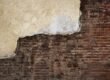
The damage often starts small. Water enters microscopic cracks in the mortar or brick. When temperatures drop, this water freezes and expands, exerting immense pressure from within the wall. This process leads to “spalling,” where the face of the brick literally breaks off or crumbles. Left unaddressed, these minor fissures evolve into significant structural masonry failures that can compromise the safety of the entire building. Beyond the structural risks, water infiltration is the leading cause of expensive interior mold remediation and recurring drywall damage that frustrates tenants and owners alike.
The NYC Environmental Challenge
New York City presents a unique set of challenges for any property owner. Buildings in coastal boroughs like Brooklyn and Queens face constant exposure to high humidity and corrosive salt air. These elements accelerate the degradation of building materials. Additionally, much of the city’s building stock consists of historic brickwork from the 19th and 20th centuries. These older bricks are significantly more porous than modern manufactured materials, making them highly susceptible to water absorption. The frequent temperature fluctuations common in the Northeast cause masonry to expand and contract daily, which gradually widens existing cracks and creates new pathways for moisture.
Protecting Your Property Investment
Proactive maintenance is the most effective way to preserve your property’s market value. By investing in professional facade preservation, you avoid the astronomical costs associated with emergency structural repairs or Department of Buildings (DOB) violations. A well-executed waterproofing strategy reduces long-term maintenance expenses by extending the life of your brickwork and mortar. It ensures that your building remains a safe, dry environment for its occupants. High-quality exterior wall waterproofing NYC serves as a critical structural necessity for owners who want to secure the longevity and resilience of their investments.
Identifying Common Signs of Exterior Water Infiltration
Spotting water infiltration early can save you thousands of dollars in structural repairs. While some damage is obvious, other signs are subtle and easily overlooked by the untrained eye. In the context of exterior wall waterproofing NYC, understanding these red flags is the first step toward securing your building’s future. Water doesn’t just sit on the surface; it actively seeks out the path of least resistance, often leaving a trail of evidence behind.
One of the most frequent visual cues is efflorescence. This is the white, powdery, salty residue that appears on brickwork. It occurs when moisture travels through the masonry, dissolves internal salts, and carries them to the surface. As the water evaporates, the salt remains. While it might look like a simple cleaning issue, it’s a clear indicator that water is moving through your walls. If you ignore it, the problem often progresses to spalling, where the face of the brick begins to flake or crumble away. This happens because the internal pressure from moisture and salt crystallization eventually overpowers the brick’s structural integrity.
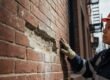
Crumbling mortar joints are another major gateway for moisture. When mortar becomes soft or powdery, it no longer provides a watertight seal between bricks. This allows wind-driven rain to penetrate deep into the wall assembly. If you’re noticing these issues, a professional assessment of your waterproofing services can help determine the extent of the damage before it reaches the interior.
Interior vs. Exterior Warning Signs
The most dangerous moisture is the kind you can’t see. Water trapped behind the facade can cause metal wall ties to rust and expand. This hidden oxidation pushes the bricks outward, leading to bulging walls and severe stability issues. For buildings over six stories, these unresolved leaks often lead to an “Unsafe” classification during a FISP inspection, resulting in mandatory sidewalk sheds and heavy fines. For a deeper look at inspection tips and budgeting for these requirements, see our guide on NYC building compliance exterior repair. Taking action now prevents a small leak from becoming a major Local Law 11 violation.
Professional Waterproofing Methods: Thorocoat vs. Traditional Sealants
Choosing the right material for exterior wall waterproofing NYC is a technical decision that determines the longevity of your building’s facade. The most critical factor in this choice is “breathability.” Masonry is naturally porous; it absorbs and releases moisture vapor. If you apply a non-breathable, film-forming membrane, you risk trapping water inside the wall. This trapped moisture eventually leads to internal rot and freeze-thaw damage. Professional methods focus on membranes that act like a high-tech jacket, keeping liquid rain out while allowing internal vapor to escape safely.
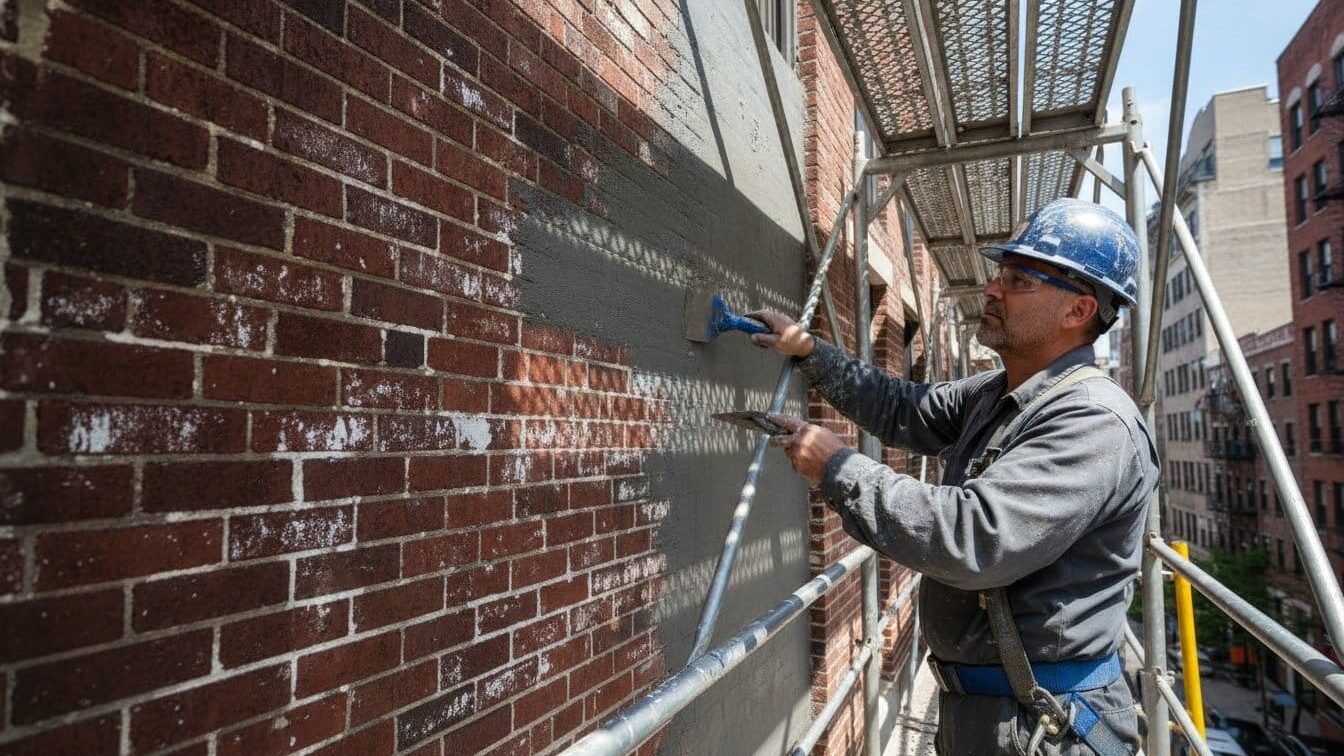
The application process is methodical and begins with a clean surface. We typically start with professional power washing services to remove decades of urban soot, salt, and loose debris. Once the surface is clean and any necessary masonry repairs are completed, the protective layer is applied. Whether you choose an opaque coating or a clear sealer, the goal remains the same: creating a resilient barrier that stands up to the five boroughs’ unpredictable weather.
The Advantages of Thorocoat
Thorocoat is a high-build, water-based acrylic masonry coating that has become an industry standard for NYC facade restoration. It’s specifically designed to protect concrete and masonry from wind-driven rain. One of its most significant benefits is its superior elongation properties. Unlike standard paint, Thorocoat is flexible; it expands and contracts as the building moves and temperatures fluctuate. This flexibility prevents the coating from cracking over time. For owners looking to refresh their building’s appearance, our Thorocoat service offers various textures and colors, providing an aesthetic upgrade alongside structural protection.
Clear Penetrating Sealers
When property owners want to maintain the original look of historic brickwork, clear penetrating sealers are the preferred option. These products, typically composed of Silane or Siloxane, work at a molecular level. Instead of forming a film on the surface, they penetrate deep into the pores of the brick and mortar to chemically bond with the substrate. This creates a hydrophobic surface that repels water droplets while remaining completely invisible to the naked eye.
Clear sealers are ideal for well-maintained historic buildings where the natural aesthetic of the masonry is a priority. However, they do require a more frequent re-application schedule compared to high-build coatings. Depending on the building’s exposure to salt air and wind, a clear sealer may need a fresh coat every five to seven years to maintain its effectiveness. We always evaluate the specific porosity of your brickwork to recommend the most durable solution for your property’s unique needs.

The Restoration Process: Synergy Between Brick Pointing and Waterproofing
Many property owners view waterproofing as a standalone solution for a leaking building. However, applying a high-performance coating over a crumbling facade is a recipe for failure. For exterior wall waterproofing NYC to be effective, it must be part of a coordinated restoration process. If the underlying masonry is structurally unsound, even the best membrane will eventually bubble or peel. The secret to a dry building interior lies in the synergy between sound masonry repair and the final protective layer.
We treat every project as a multi-stage operation. First, we identify and repair structural cracks that act as direct conduits for water. We pay close attention to parapet walls and chimneys, as these highly exposed areas are often the primary entry points for moisture. Without addressing these critical junctions, water can seep behind the new waterproofing membrane, causing it to fail from the inside out. Once the structural integrity is restored, we can focus on creating the watertight seal your building deserves.
Preparing the Masonry Surface
Proper adhesion is impossible without a pristine substrate. Our process begins with professional power washing services to strip away decades of urban pollutants, carbon crusting, and loose mortar. This step is vital because any remaining dirt or oils will cause the waterproofing coating to delaminate. We carefully manage the moisture levels in the brickwork to reach a “Saturated Surface Dry” (SSD) state. In this condition, the pores of the masonry are damp enough to prevent them from “stealing” moisture from the new coating too quickly, yet the surface is dry enough to ensure a powerful chemical bond.
Repointing: The Foundation of Waterproofing
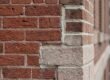
Before any sealant is applied, the mortar joints must be in perfect condition. Fresh mortar acts as a secondary barrier against water infiltration. It’s essential that this work is done through professional brick pointing NYC. We focus on matching the strength and composition of the new mortar to your building’s existing masonry. If the mortar is too hard for historic brick, it can cause the brick faces to crack. By utilizing correct repointing brickwork techniques, we create a stable, uniform surface that allows the waterproofing membrane to perform at its peak. If you’ve noticed crumbling joints or recurring leaks, it’s time to invest in professional waterproofing services to secure your facade for the long term.
Selecting a Qualified Waterproofing Contractor in NYC
Finding the right team for exterior wall waterproofing NYC is just as important as the materials used in the process. In a city where historic masonry meets strict modern regulations, you need a contractor who understands the nuances of 19th and 20th-century building stock. Always verify that your chosen partner holds a valid NYC Department of Buildings (DOB) license and carries comprehensive insurance. This protects you from liability and ensures the work meets the city’s high safety standards for both residential and commercial properties.
A detailed scope of work is the hallmark of a professional contractor. It should never be a single-line estimate; instead, it must outline every phase, from surface preparation and masonry repairs to the final application of the membrane. You should also understand the difference between warranties. Material guarantees often come from the manufacturer, while labor guarantees are provided by the contractor. A reliable expert stands behind both, ensuring that your investment remains protected long after the project is finished.
NYC Compliance and Safety
Professional waterproofing is a key component in passing FISP (Local Law 11) inspections. With FISP Cycle 10 currently underway, the DOB has increased enforcement and penalties for uncorrected facade issues. A contractor who stays current on these evolving regulations can help you avoid the $1,000 monthly penalties associated with “Unsafe” conditions. Working with experts who understand parapet wall construction New York is essential, as these exposed structures are often the first points of water-related distress.
Safety logistics are equally critical in the five boroughs. Your contractor must manage sidewalk safety permits and coordinate proper scaffolding or sidewalk sheds to protect the public during the restoration. Skipping these steps can lead to stop-work orders and significant fines. A seasoned firm handles these administrative details seamlessly, allowing the restoration to proceed without unnecessary delays.
The Brick Tech Difference
We’ve served the five boroughs since 1980, bringing over 40 years of localized experience to every exterior wall waterproofing NYC project. Our team possesses specialized knowledge in the application of high-performance systems like Thorocoat and the meticulous restoration of historic brickwork. We don’t believe in quick fixes or superficial patches; we view our work as a partnership dedicated to the long-term resilience of your building.
Our commitment to excellence means we prioritize the structural integrity of your investment above all else. We provide transparent communication and a methodical approach to every facade we touch. When you choose Brick Tech, you’re choosing a family-owned business that understands the emotional and financial stakes of property ownership in New York City. We take pride in delivering results that ensure peace of mind and lasting protection for your property.
Secure Your Building’s Future with Expert Waterproofing
Protecting your property from the relentless New York climate requires more than a quick sealant application. It demands a methodical approach that combines expert brick pointing with advanced membranes. By identifying early warning signs like efflorescence and choosing breathable solutions, you ensure your building remains dry and compliant. Professional exterior wall waterproofing NYC is the definitive way to stop recurring leaks and avoid the steep penalties of FISP violations. This proactive care safeguards your interior from mold and preserves the structural value of your masonry for decades.
Brick Tech brings over 45 years of localized experience to every project. As certified Thorocoat installers and specialists in Local Law 11 compliance, we prioritize the long-term resilience of your facade. We view every restoration as a partnership focused on safety and structural integrity. You deserve the peace of mind that comes from a job done right the first time. Don’t wait for the next storm to reveal hidden vulnerabilities in your brickwork. Request a Professional Waterproofing Estimate from Brick Tech today and give your property the protection it deserves.
Frequently Asked Questions
How long does exterior wall waterproofing last in New York City?
Exterior waterproofing typically lasts between 5 to 15 years depending on the specific material used for the project. Clear penetrating sealers generally require re-application every 5 to 7 years, while high-build acrylic coatings like Thorocoat can provide protection for over a decade. Environmental factors like salt air exposure in coastal boroughs and the intensity of wind-driven rain play a major role. Regular maintenance of the underlying mortar joints ensures the coating performs for its full intended lifespan.
Can I waterproof my brick wall without changing its color?
You can definitely protect your brickwork without altering its appearance by using clear penetrating sealers like Silane or Siloxane. These products work at a molecular level to repel water while remaining completely invisible to the naked eye. This is a common choice for historic NYC facades where maintaining the original aesthetic is a priority. These sealers are breathable, which allows moisture vapor to escape from the masonry while keeping liquid water out.
Is exterior waterproofing better than interior waterproofing for NYC buildings?
Professional exterior wall waterproofing NYC is significantly more effective because it stops water before it enters the masonry. Interior waterproofing only manages water that has already penetrated the facade; this can still lead to structural rot and freeze-thaw damage within the wall itself. By creating a barrier on the outside, you protect the entire building envelope and prevent the structural degradation that often leads to costly Local Law 11 violations.
What is the best time of year to perform waterproofing in NYC?
The best time for waterproofing is during the spring, summer, or early fall when temperatures are consistently above 40 degrees Fahrenheit. Proper curing of coatings and sealants requires dry conditions and moderate temperatures. It’s best to avoid scheduling these projects during the winter because freezing temperatures can interfere with the chemical bonding process. We monitor local weather closely to ensure the substrate is perfectly dry before beginning any application.
How much does exterior wall waterproofing cost for a typical NYC brownstone?
The cost of waterproofing a brownstone depends on the facade’s total square footage, its current condition, and the level of masonry repair required before application. Factors such as the need for scaffolding, the complexity of architectural details, and the type of coating chosen will influence the final investment. Every project is unique; we perform a detailed evaluation to provide an accurate scope of work based on your property’s specific structural needs.
Will waterproofing my exterior walls stop mold from growing inside?
Do I need a permit for exterior waterproofing in NYC?
Most standard waterproofing applications don’t require a specific Department of Buildings permit on their own. However, if the project involves significant masonry repair, structural work, or the installation of sidewalk sheds and scaffolding, you must obtain the appropriate permits. Our team manages the necessary administrative requirements for your exterior wall waterproofing NYC project. This ensures your restoration remains in full compliance with local safety regulations and current building codes.