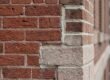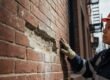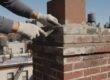
Brickwork repair costs in New York City can vary significantly from one property to another. A small area of deteriorated mortar at street level is very different from repairing spalled bricks several stories above a sidewalk or stabilizing a wall with significant movement.
For NYC property owners, the most useful question is not simply, “How much does brickwork repair cost?” It is “What conditions are affecting the cost of my specific project?”
Accessibility, the extent of deterioration, scaffolding requirements, material matching, building height, historic preservation requirements, water damage, and structural conditions can all influence the final price.
Understanding these factors makes it easier to evaluate contractor estimates and determine whether you are paying for a localized repair or a more extensive masonry restoration.
Key Takeaways
- Brickwork repair costs depend heavily on the type and extent of deterioration.
- Upper-floor repairs generally involve greater access and safety requirements than ground-level work.
- Repointing deteriorated mortar is different from replacing damaged bricks or stabilizing moving masonry.
- Historic and landmark buildings may require specialized materials and repair techniques.
- Water infiltration should be corrected alongside masonry deterioration whenever it contributes to the damage.
- A detailed site inspection is usually necessary before a contractor can provide a reliable project estimate.

What Determines Brickwork Repair Costs in NYC?
There is no single price that accurately represents every brick repair project.
Two buildings on the same block can require very different scopes of work depending on facade height, brick condition, previous repairs, access, and underlying moisture problems.
Some of the most important pricing factors include:
| Cost Factor | Potential Impact | Why It Matters |
|---|---|---|
| Accessibility | High | Upper floors may require scaffolding or specialized access |
| Damage extent | High | Localized repairs cost less than widespread deterioration |
| Brick replacement | Moderate to High | Matching and replacing individual units adds labor |
| Mortar condition | Moderate to High | Extensive joint deterioration increases repointing work |
| Material matching | Moderate | Historic brick and mortar may require specialized sourcing |
| Structural problems | High | Movement or instability may require engineering and additional repairs |
| Water damage | Moderate to High | Moisture sources may need correction before masonry repairs |
| Permits and protection | Variable | Project requirements depend on location and scope |
| Historic designation | Variable | Landmark requirements can affect materials and methods |
A professional inspection should determine the scope before pricing is finalized.
1. Type of Brickwork Repair
The repair method is one of the biggest factors affecting project cost.
Mortar Repointing
When the bricks remain serviceable but the joints have deteriorated, repointing may be sufficient.
The process generally involves removing unsound mortar to an appropriate depth and installing new mortar that is compatible with the surrounding masonry.
Professional brick pointing services can help restore deteriorated joints while reducing pathways for rainwater to enter the wall.
The amount of repointing required matters significantly. Repairing a few localized joints is very different from repointing an entire facade.
Brick Replacement
When individual bricks have cracked, fractured, loosened, or severely spalled, replacing the damaged units may be necessary.
Professional brick repair and replacement involves more than simply removing one brick and installing another. Replacement units should be reasonably compatible with the existing masonry in dimensions, physical characteristics, and appearance.
Large areas of damaged brick naturally require more labor and materials than isolated replacement.
Structural Masonry Repair
Bulging walls, major cracks, displaced masonry, or movement around lintels can indicate problems beyond routine brick repair.
These projects may involve:
- Removing unstable masonry
- Repairing or replacing embedded steel
- Rebuilding wall sections
- Installing appropriate reinforcement
- Correcting lintel problems
- Repairing parapets
- Addressing structural movement
Structural conditions may also require evaluation by an engineer before masonry work begins.
2. Accessibility and Building Height
Accessibility can substantially affect the cost of NYC masonry projects.
A contractor working on a first-floor wall may be able to reach the repair area relatively easily. Work several stories above a sidewalk requires a different approach.
Depending on the building and project, access requirements may involve:
- Scaffolding
- Supported scaffolds
- Suspended access
- Sidewalk protection
- Additional safety equipment
- Material lifting
- Site protection
- Additional setup and removal time
The repair itself might be relatively small, but safely reaching the damaged area can represent a substantial portion of the project scope.
This is one reason contractors generally need to inspect a property before giving a dependable estimate.
3. Amount of Deteriorated Mortar
Mortar deterioration is among the most common problems on older NYC brick buildings.
Signs include:
- Recessed joints
- Missing mortar
- Powdery mortar
- Cracking
- Loose joints
- Water staining around joints
As the amount of deteriorated mortar increases, so does the labor required to remove the damaged material and install compatible replacement mortar.
Property owners who are uncertain about their facade can review the common signs an NYC building needs brick repointing before arranging a professional inspection.
4. Spalling and Damaged Bricks
Spalling occurs when the face of a brick flakes, chips, or breaks away.
It is frequently associated with moisture, freeze-thaw activity, salt movement, inappropriate coatings, or incompatible previous repairs.
A few isolated spalled bricks may require targeted replacement. Widespread spalling across a facade can become a considerably larger project.
More importantly, replacing damaged bricks without addressing the reason they deteriorated can allow the problem to return.
For that reason, proper spalling brick repair should consider both the damaged masonry and the moisture conditions contributing to deterioration.

5. Historic Brick and Mortar Matching
New York contains an enormous variety of masonry buildings constructed during different periods.
Older brick can differ from modern products in:
- Dimensions
- Density
- Porosity
- Texture
- Color
- Strength
- Manufacturing method
Mortar characteristics also vary.
Using an incompatible mortar can potentially accelerate deterioration instead of extending the life of the wall. For example, excessively hard or impermeable mortar can place additional stress on softer historic brick.
Material selection may therefore require more care on older buildings.
Contractors may need to source compatible replacement brick, create mortar samples, or test different colors and joint profiles before completing large visible areas.
These additional steps can influence pricing, but they are important for producing repairs that work appropriately with the existing masonry.
6. Landmark and Historic District Requirements
Historic designation can add another layer to project planning.
If a building is an individual landmark or located within a designated historic district, certain exterior alterations and repairs may require review or permits from the New York City Landmarks Preservation Commission.
The NYC Landmarks Preservation Commission permit guidance explains the application process and different types of work that may require approval.
Depending on the property, requirements may affect:
- Brick appearance
- Mortar color
- Joint profiles
- Replacement materials
- Cleaning methods
- Decorative elements
- Visible facade alterations
Property owners should determine applicable requirements before work begins rather than discovering them after materials have already been ordered.
7. Water Damage and Moisture Infiltration
Water is one of the most important factors affecting masonry deterioration.
Rainwater can enter through:
- Missing mortar
- Cracked joints
- Failed flashing
- Open parapet coping
- Window perimeters
- Roof connections
- Cracked masonry
- Deteriorated sealant
Once water penetrates the wall, repeated wetting and winter freeze-thaw cycles can accelerate deterioration.
Moisture may also contribute to corrosion of embedded metal components.
When water infiltration contributes to the masonry damage, simply replacing bricks or mortar may not solve the entire problem.
Professional waterproofing services may therefore form part of a larger repair strategy when flashing, joints, parapets, or other exterior conditions are allowing repeated moisture entry.

8. Lintel and Embedded Steel Problems
Steel lintels support masonry above many window and door openings.
When exposed to moisture over time, steel can corrode. Corrosion products occupy more volume than the original steel, potentially placing pressure on surrounding masonry.
Visible symptoms may include:
- Horizontal cracks
- Stair-step cracks near windows
- Rust staining
- Displaced brick
- Bulging above openings
- Cracked mortar joints
Repairing only the surrounding bricks without addressing deteriorated steel may lead to recurring damage.
Projects involving lintels or embedded steel can therefore cost more than straightforward repointing because additional masonry may need to be removed and reconstructed.
9. Parapet Condition
Parapets are another important source of masonry repair costs.
Because parapet walls are exposed to rain, snow, wind, freezing temperatures, and temperature fluctuations from several directions, deterioration can develop quickly when coping or flashing fails.
Potential parapet problems include:
- Loose bricks
- Missing mortar
- Cracked coping
- Failed flashing
- Bulging masonry
- Rust staining
- Open joints
- Water infiltration
A small mortar repair along a parapet is very different from rebuilding an unstable section.
Property owners should therefore have parapet deterioration properly assessed before assuming the problem is limited to surface mortar.
10. Previous Repairs Can Affect the Price
Past repairs sometimes make new masonry work more complicated.
For example, a previous contractor may have:
- Used incompatible mortar
- Applied mortar only over the surface of failed joints
- Installed mismatched brick
- Covered masonry with inappropriate coatings
- Sealed moisture inside the wall
- Patched cracks without correcting movement
Removing unsuitable previous materials can add labor before the proper repair can begin.
This is particularly important on historic masonry, where excessively hard mortar can contribute to damage of the surrounding brick.
Brickwork Repair Cost by Project Type
Instead of relying on a universal per-square-foot figure, it is more useful to understand how project complexity changes.
| Repair Type | Relative Complexity | Major Cost Drivers |
|---|---|---|
| Localized mortar repair | Lower | Repair area, access, mortar matching |
| Repointing | Moderate | Wall area, joint condition, access |
| Individual brick replacement | Moderate | Number of bricks, matching, access |
| Widespread spalling repair | Moderate–High | Damage extent, moisture source, replacement brick |
| Lintel repair | High | Steel condition, masonry removal, reconstruction |
| Parapet repair | Moderate–High | Access, coping, flashing, stability |
| Structural masonry repair | High | Engineering, wall movement, reconstruction |
| Full facade restoration | High | Building size, access, materials, multiple repair conditions |
The same type of repair can still vary considerably between buildings.
Why Very Low Estimates Deserve Careful Review
The lowest estimate is not automatically the best value.
A significantly lower proposal may simply have a smaller scope.
Before comparing prices, compare what each contractor actually intends to do.
Check whether the estimate specifies:
- Repair area
- Mortar removal depth
- Mortar type
- Brick replacement quantity
- Access equipment
- Site protection
- Cleanup
- Flashing repairs
- Parapet work
- Lintel work
- Permits where applicable
- Disposal
- Water infiltration repairs
Two estimates cannot be compared accurately if one includes complete joint preparation and another proposes only a surface patch.
How Weather Conditions Affect Scheduling and Cost
Masonry materials require appropriate conditions during installation and curing.
Extremely cold, hot, or dry conditions can require additional precautions.
Contractors should consider:
- Air temperature
- Masonry temperature
- Wind
- Direct sunlight
- Rain
- Freezing conditions
- Curing requirements
Cold-weather work may require protection or temporary environmental controls depending on the materials and conditions.
Rather than assuming masonry can only be repaired during one particular season, property owners should discuss the requirements of the proposed materials with their contractor.
How to Get an Accurate Brick Repair Estimate
The best way to understand your project’s cost is through an on-site assessment.
Before requesting estimates, document visible problems such as:
- Cracked mortar
- Missing joints
- Spalling bricks
- Rust staining
- Efflorescence
- Bulging areas
- Interior water stains
- Parapet deterioration
Then request detailed written proposals from qualified contractors.
A useful estimate should explain what is being repaired, how much of the facade is included, which materials will be used, and what access or protection systems are required.
Choosing an NYC Brickwork Contractor
Brick repair requires more than applying mortar to visible gaps.
Look for contractors with experience in the type of masonry and building involved.
Questions to ask include:
- Have you repaired similar NYC buildings?
- What is causing the deterioration?
- Which mortar will be used?
- How will replacement brick be matched?
- Is scaffolding or another access system required?
- Are permits necessary?
- Does the water source also need repair?
- How will adjacent surfaces be protected?
- What exactly is included in the estimate?
For projects involving several masonry components rather than isolated bricks, experienced masonry services in NYC may be more appropriate than treating each visible defect separately.

Frequently Asked Questions
How much does brickwork repair cost in NYC?
There is no single reliable price for every project. Cost depends on repair type, wall area, building height, accessibility, material matching, deterioration, permits, and whether structural or moisture-related problems are present.
Is repointing cheaper than replacing bricks?
Repointing is generally less complex when the bricks remain serviceable because the work focuses on deteriorated mortar joints. Brick replacement requires removing damaged units, sourcing compatible replacements, and rebuilding affected areas.
Why does scaffolding increase brick repair costs?
Scaffolding and other access systems require additional equipment, labor, setup, protection, and safety procedures. On upper-floor facade projects, access can become a significant part of the overall scope.
Does a landmark building cost more to repair?
It can. Landmark or historic-district projects may require particular materials, colors, joint profiles, repair techniques, or approvals that add planning and specialized labor.
Can I repair only the visibly damaged bricks?
Sometimes, but the underlying cause should be identified first. If water infiltration, corroded steel, structural movement, or incompatible mortar caused the damage, replacing only the visible bricks may not prevent recurrence.
Should I get several masonry estimates?
Comparing multiple detailed written estimates can help property owners understand differences in repair scope, materials, access requirements, and proposed methods rather than comparing only the final price.
Can brickwork be repaired during winter?
Some masonry work can be performed during colder periods when appropriate cold-weather procedures and protection are used. The feasibility depends on temperature, materials, project conditions, and the contractor’s planned curing methods.
Conclusion
The cost of brickwork repair in NYC depends on far more than the number of damaged bricks. Accessibility, building height, mortar condition, spalling, structural movement, parapet deterioration, lintel corrosion, historic material requirements, and moisture infiltration can all affect the final scope and price.
That is why an accurate estimate usually begins with understanding why the masonry deteriorated.
A small area of failed mortar may require targeted repointing, while widespread spalling, rusting lintels, unstable parapets, or bulging masonry can require a much more comprehensive repair strategy.
Brick Tech Contracting Corp provides brick repair, brick pointing, masonry restoration, waterproofing, parapet repair, and exterior construction services throughout the NYC area. Our team can evaluate visible deterioration, identify areas requiring attention, and develop a repair scope based on the condition and accessibility of your building.
If you are planning brickwork repairs for a brownstone, multifamily property, apartment building, or commercial structure, Brick Tech Contracting Corp can provide an on-site assessment and detailed estimate based on the actual requirements of your project.