In 2026, a single hairline crack in your building facade is more than a minor leak; it is a gateway to structural decay and expensive Department of Buildings penalties. As a property owner, you likely feel the constant pressure of keeping your masonry intact against the city’s unpredictable climate. Finding a skilled waterproofing contractor NYC who understands the intersection of traditional brickwork and modern moisture barriers is the most effective way to secure your real estate investment.
We understand that recurring leaks and the threat of Local Law 11 violations can be overwhelming for any board or owner. This article shows you how professional waterproofing prevents structural rot, ensures full regulatory compliance, and extends the life of your facade. You will learn about the latest trends in polymer-modified membranes and how the 2026 NYC Existing Building Code, enacted this past January, impacts your upcoming maintenance projects. It’s time to replace the stress of storm season with the confidence of a weather-tight building.
Key Takeaways
- Understand how NYC’s high humidity and salt air penetrate porous masonry, making professional sealing essential for preventing structural decay.
- Explore the technical advantages of Thorocoat and facade restoration in creating a breathable, high-build barrier against the city’s harsh weather.
- Discover the essential criteria for vetting a waterproofing contractor NYC, including proper insurance and a proven track record with Local Law 11 compliance.
- Identify early warning signs like efflorescence and spalling to protect your masonry from deep-seated moisture damage and structural instability.
- See how integrated services like brick pointing and chimney repair work alongside waterproofing to extend the lifespan of your facade.
The Critical Role of a Waterproofing Contractor in NYC’s Climate
New York City is a relentless environment for building exteriors. Our local climate subjects properties to a brutal combination of high humidity, salt-heavy air from the Atlantic, and extreme temperature swings. These factors don’t just sit on the surface; they actively work to penetrate the building envelope. Partnering with an experienced waterproofing contractor NYC is the most effective way to ensure your property survives these conditions without succumbing to structural rot. Unlike standard maintenance, professional waterproofing creates a resilient barrier that stands up to the city’s unique atmospheric pressure.
Masonry materials like brick, limestone, and brownstone are naturally porous. Think of your building’s facade as a very slow-acting sponge. Without professional intervention, water ingress isn’t just a risk; it is a mathematical certainty. During the winter, this absorbed moisture becomes a structural nightmare through the freeze-thaw cycle. When water trapped inside the brickwork freezes, it expands with immense force, cracking solid masonry from the inside out. Over several seasons, these micro-fractures grow into gaping fissures that compromise the entire facade’s stability.
The financial reality of NYC real estate maintenance is clear. Reactive repairs, which occur only after a leak appears in your lobby or apartment, typically cost four times more than proactive waterproofing. Waiting for visible damage means you’re already paying for internal rot, ruined drywall, and potential structural instability. Investing in a weather-tight seal today is simply the most responsible way to protect your long-term capital investment.
NYC Environmental Challenges for Masonry
The Link Between Water and Structural Decay
When moisture reaches the internal steel supports of a building, it triggers rebar corrosion. As steel rusts, it expands, causing concrete spalling where large chunks of the facade flake or break away. This isn’t just a maintenance headache; it’s a serious safety hazard. Various Waterproofing techniques are employed to stop this process before it begins. Beyond the structural risks, damp walls are a primary breeding ground for mold, which severely impacts interior air quality for tenants. This protection is especially critical for high-exposure areas like parapet wall construction New York, where water can easily pool and seep into the roofline without a professional waterproofing system in place.
Advanced Exterior Waterproofing Techniques for NYC Buildings
Protecting the vertical envelope of a building requires more than a standard coat of paint. In a dense urban environment, a professional waterproofing contractor NYC must utilize specialized materials that defend against wind-driven rain while allowing the structure to function naturally. Modern techniques focus on creating a seamless barrier that addresses every square inch of the facade, from the rooftop parapets down to the foundation line. By employing high-performance coatings and invisible sealants, we ensure that your building remains dry without sacrificing its aesthetic character or structural health.
The primary goal of any exterior treatment is managing moisture migration. While it’s vital to keep rain out, it’s equally important to allow internal water vapor to escape. This concept, known as breathability, is the hallmark of professional-grade waterproofing. Systems that trap moisture inside the walls often lead to rapid masonry failure. When choosing a solution, property owners must consider the specific material of their facade, whether it’s historic red brick, brownstone, or modern concrete. Following NYC building codes ensures that these applications meet the safety and performance standards required for our city’s unique architectural landscape.
Thorocoat and Specialized Masonry Coatings
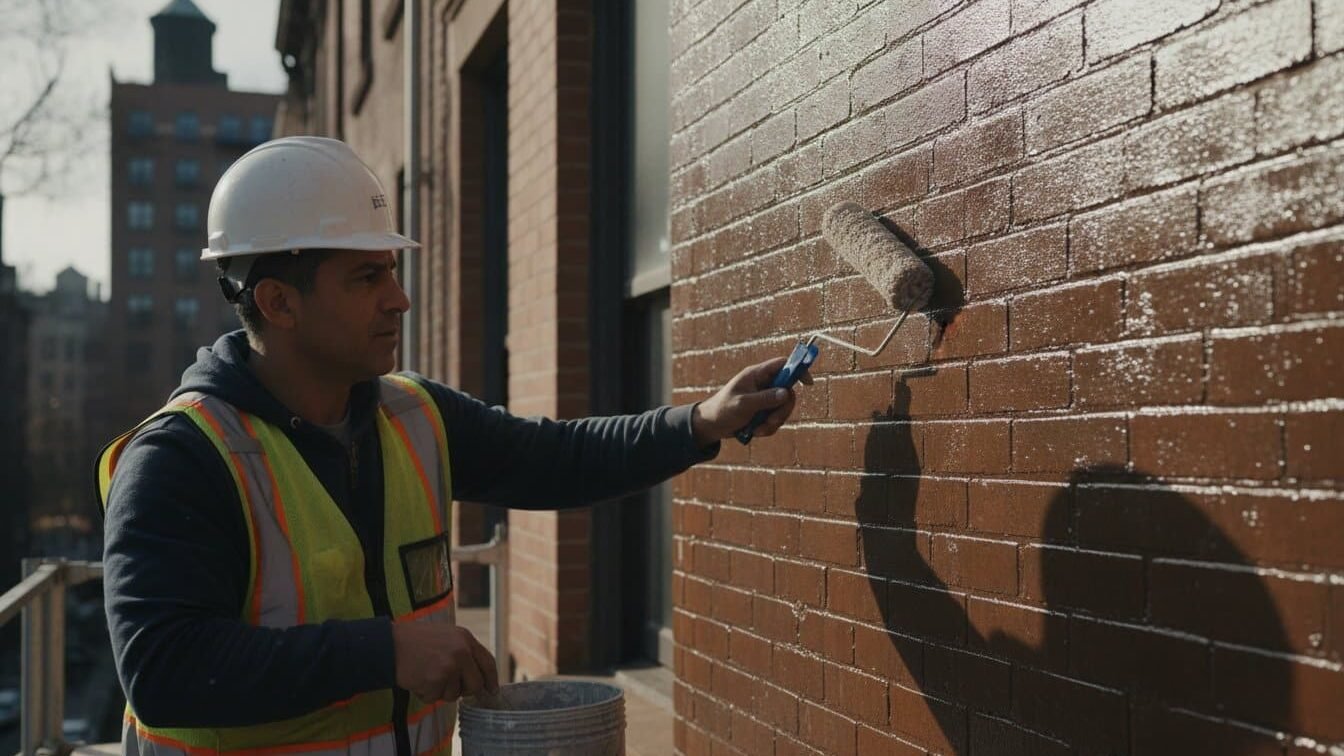
Thorocoat is often the industry standard for NYC buildings because of its exceptional breathability and high-build thickness. This 100% acrylic-based coating is designed to bridge hairline cracks and provide a flexible, waterproof seal that moves with the building. Its technical benefits include superior UV resistance and color retention, which are essential for maintaining curb appeal over decades. It’s a common mistake to use non-breathable, oil-based paints on masonry; these coatings effectively suffocate the brick, trapping moisture that eventually causes the face of the brick to expand, crack, and crumble away. For owners who prefer to maintain the natural look of their masonry, clear silane or siloxane sealers offer invisible protection that penetrates deep into the pores without changing the building’s appearance.
Integrating Waterproofing with Brick Pointing
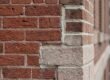
Waterproofing is most effective when it’s part of a comprehensive facade maintenance plan. We highly recommend that any major sealing project follow professional brick pointing NYC. Mortar joints are the first line of defense against driving rain, and if they’re cracked or receding, even the best waterproof coating will eventually fail. By first restoring the integrity of the joints and then applying a high-quality sealant, you create a dual-layer defense system that significantly extends the life of the masonry.
This proactive approach to facade care also has a direct impact on the surrounding property. Water that seeps through a building’s exterior often finds its way into the foundation or under the adjacent concrete, leading to soil erosion and sidewalk heaving. Maintaining a dry building envelope helps prevent the structural shifts that often result in NYC sidewalk violation removal needs. Proper drainage planning is equally critical for outdoor surfaces; property owners investing in paver installation NYC projects must ensure that sub-base preparation and grading work in concert with the building’s waterproofing system to prevent pooling water from migrating back toward the foundation. If you’re noticing damp spots on your interior walls or white salt deposits on your exterior, it’s time to consult with a masonry expert to evaluate your building’s current seal.
Choosing a Waterproofing Contractor NYC: Compliance and Quality
Selecting a waterproofing contractor NYC is a decision that impacts both the safety of your tenants and the long-term value of your real estate. In a city where buildings range from 19th-century brownstones to modern glass towers, a one-size-fits-all approach is dangerous. You need a partner who understands the specific masonry challenges of our local infrastructure and the rigorous demands of the New York City Department of Buildings (DOB). Verifying a contractor’s licensing and insurance isn’t just a formality; it’s your primary defense against legal liability and substandard work that could lead to structural failure.
A seasoned contractor should demonstrate extensive experience with the Facade Inspection & Safety Program (FISP), formerly known as Local Law 11. For buildings taller than six stories, these periodic inspections are mandatory. A contractor who integrates waterproofing with these compliance requirements can help you secure a “Safe” rating, avoiding the costly “Unsafe” or “Safe With a Repair and Maintenance Program” (SWARMP) designations. Following building design and construction best practices ensures that your facade restoration meets national standards while satisfying local mandates. When assessing a potential partner, look closely at their portfolio for projects that match your building’s specific era and material composition.
NYC Regulatory Compliance: FISP and Beyond
FISP cycles occur every five years, and the penalties for non-compliance are severe. A professional waterproofing strategy is often the difference between a routine inspection and a major construction project. When you hire an expert who understands these cycles, they can identify potential issues before the inspector arrives. Relying on unlicensed workers for exterior structural work is a significant risk. These individuals often lack the technical knowledge to handle the weight-bearing components of a facade, potentially leading to DOB stop-work orders or catastrophic structural damage.
Contractor Red Flags to Avoid
Be cautious of bids that are significantly lower than the market average. These “too good to be true” estimates often indicate that the contractor is cutting corners on high-quality membranes or skipping essential surface preparation steps. Always demand a written warranty for any waterproofing application; a reputable company stands by their craftsmanship and the durability of the materials they use. A Special Inspection is a mandatory third-party verification required for certain NYC facade repairs to ensure the work matches approved safety plans. A reliable waterproofing contractor NYC will be transparent about these requirements and build them into the project timeline from the start. Understanding the full scope of your project budget is equally important; property owners can benefit from reviewing a detailed breakdown of facade restoration cost NYC to anticipate scaffolding, permitting, and compliance expenses before work begins.

Signs Your NYC Property Needs Immediate Waterproofing
Property owners often believe that a lack of standing water means their building is safe. In reality, moisture damage is frequently a silent process that reveals itself through subtle physical changes in the masonry. Recognizing these early warning signs allows you to engage a waterproofing contractor NYC before minor seepage evolves into a full-scale structural emergency. If you wait for a visible flood, the cost of repair has likely already quadrupled.
Dampness doesn’t just stay on the surface. It migrates through the porous structure of your building, weakening the bond between bricks and mortar. Beyond the obvious drips, you should look for changes in texture, color, and the integrity of the facade’s “skin.” These symptoms are the building’s way of signaling that its protective envelope is no longer intact.
The Efflorescence Warning Sign
Efflorescence is the white, powdery substance that often appears on brick and stone facades. This occurs when moisture travels through the masonry, dissolving internal salts and carrying them to the surface. As the water evaporates, it leaves the salt behind. While it might look like a cosmetic issue, it is actually proof that water is moving deep within your walls. To address this, professional power washing NYC is often the first step. It clears away the deposits and reveals the true condition of the substrate before a waterproof membrane is applied.
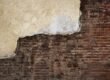
Spalling bricks are another critical indicator. This happens when the outer layer of the brick begins to flake or peel away, often due to the internal pressure from the freeze-thaw cycles mentioned earlier. If you notice “scales” of brick on the ground, your facade is losing its protective shell. Similarly, eroded mortar joints create deep channels where water can sit and saturate the surrounding brickwork. Check for gaps or sandy mortar that crumbles when touched. On the interior, look for peeling paint or damp spots near window frames and corners. These clues often appear long before a visible puddle forms. For a comprehensive framework to evaluate every symptom your masonry may be exhibiting, review this detailed guide on signs of water damage in brick walls to distinguish between surface-level wear and deep-seated structural threats.
Facade Inspection Checklist for Owners
We recommend a seasonal walk-around to catch problems early. Follow these three steps to evaluate your building’s health:
- Step 1: Perform a visual scan for vertical or horizontal cracks. Vertical cracks often suggest settling, while horizontal cracks can indicate rusting steel lintels that require immediate attention.
- Step 2: Look for loose or bulging bricks. A bulge is a sign of structural failure where the masonry has detached from the building frame, creating a major safety risk.
- Step 3: Inspect window caulking and lintels. Rust on the steel lintels above windows causes the metal to expand. This “jacks” the brickwork and creates new entry points for water.
If you’ve identified any of these warning signs, it’s time to schedule a professional facade evaluation to prevent further decay and secure your investment.
Brick Tech Contracting: NYC’s Reliable Waterproofing Experts
Brick Tech Contracting Corp has stood as a pillar of the New York construction industry since 1980. As a family-owned and operated business, we’ve spent over 45 years refining our craft across the five boroughs, from the historic streets of Brooklyn Heights to the commercial corridors of Manhattan. We understand that property ownership in this city carries significant emotional and financial weight. That’s why we position ourselves as more than just a service provider; we are your dedicated partners in facade preservation. Choosing an established waterproofing contractor NYC ensures that your building is handled by veterans who’ve seen every environmental challenge the city has to offer.
Our Specialized NYC Service Process
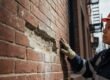
Every project begins with a methodical site evaluation to pinpoint the exact root cause of water infiltration. We don’t just look at the damp spot; we examine the entire vertical envelope for signs of structural stress. After identifying the source, we develop a customized treatment plan tailored to your building’s specific material and age. Our process prioritizes meticulous surface preparation. This includes professional power washing to remove decades of urban pollutants and necessary masonry repairs to ensure the substrate is perfectly primed for a long-lasting, weather-resistant seal.
Protecting NYC’s Architectural Heritage
We’re committed to using industry-leading materials that respect the city’s architectural history while providing modern protection. Our specialized Thorocoat application offers a high-build, breathable barrier that is ideal for NYC’s varied facades. Choosing a qualified waterproofing contractor NYC means hiring a team that understands both the chemistry of the coatings and the history of the building. We also stay ahead of the curve regarding regulatory changes; we ensure your property remains fully compliant with the latest NYC building codes and Local Law 11 requirements. Our goal is to extend the lifespan of your brick and stone, protecting your investment for the next generation. Contact Brick Tech today for a professional consultation to discuss your building’s specific waterproofing needs.
Protect Your Investment for the Decades Ahead
Maintaining a leak-free exterior in New York City requires constant vigilance and a deep understanding of local masonry. By identifying early warning signs like efflorescence, you can address moisture infiltration before it leads to structural failure or costly DOB penalties. Navigating the 2026 regulatory landscape and FISP compliance is much simpler when you have a partner who understands the technical requirements of the five boroughs. Professional waterproofing isn’t just a repair; it’s a long-term investment in the resilience and safety of your property.
Since 1980, our family-owned team has provided specialized facade restoration across Manhattan, Brooklyn, Queens, the Bronx, and Staten Island. As a Thorocoat certified waterproofing contractor NYC, we combine decades of experience with industry-leading materials to ensure your building remains dry and compliant. Before committing to any exterior project, savvy property owners should review the full breakdown of facade restoration cost NYC buildings typically face in 2026, including scaffolding, DOB permits, and material expenses, to plan their budgets with confidence. Don’t wait for the next heavy storm season to reveal a weakness in your masonry. Take a proactive stance today to extend the lifespan of your facade and preserve your building’s architectural heritage.
Secure Your Building’s Future with Brick Tech Contracting Corp and enjoy the peace of mind that comes with expert craftsmanship.
Frequently Asked Questions
How much does professional waterproofing cost for an NYC building?
The cost of waterproofing an NYC building depends on several variables including the total square footage of the facade, the type of masonry, and the accessibility of the structure. While prices vary by project scope, factors like the need for specialized scaffolding or extensive surface preparation will influence the final estimate. A professional waterproofing contractor NYC will typically provide a detailed site evaluation to determine these specific requirements before beginning work.
How long does a typical exterior waterproofing application last?
A high-quality exterior waterproofing application generally lasts between 10 and 15 years when applied correctly. The specific lifespan depends on the material used, such as silane sealers or elastomeric coatings like Thorocoat, and the building’s exposure to harsh coastal elements. Regular maintenance and annual inspections help ensure the barrier remains effective throughout its intended service life, protecting the masonry from deep-seated moisture damage.
What is the best time of year to perform waterproofing in New York City?
Spring and fall are the best times to perform waterproofing in New York City because moderate temperatures allow for proper curing. Extreme summer heat can cause coatings to dry too quickly, while winter frost prevents many sealants from bonding correctly to the masonry. Scheduling work during these temperate windows ensures the material achieves its maximum durability and protective strength against the city’s unpredictable weather patterns.
Can waterproofing fix an active leak inside my brick wall?
Waterproofing is primarily a preventative measure and cannot fix an active leak caused by structural gaps or failed mortar. You must first perform masonry repairs, such as brick pointing or lintel replacement, to stop the water ingress at its source. Once the structural integrity is restored, a waterproof coating is applied to prevent future moisture from penetrating the porous brickwork and causing recurring interior damage.
Is Thorocoat better than standard exterior paint for NYC masonry?
Thorocoat is significantly better than standard exterior paint because it’s an elastomeric coating designed specifically for masonry breathability. Standard paints often trap moisture inside the brick, which leads to “suffocation” and eventual crumbling or spalling. Thorocoat allows water vapor to escape while bridging small cracks and providing a flexible shield that moves with the building’s natural shifts during extreme temperature changes.
Do I need a permit for exterior waterproofing in NYC?
Permits are often required in New York City if the waterproofing project involves scaffolding, sidewalk sheds, or structural facade repairs. While minor applications of clear sealers might not require a permit, any work associated with Local Law 11 or FISP compliance must be filed with the Department of Buildings. Your waterproofing contractor NYC should handle the necessary filings to ensure the project remains legal and compliant with current 2026 codes.
What is the difference between damp-proofing and waterproofing?
Waterproofing is designed to stop water under hydrostatic pressure, while damp-proofing is intended to resist only incidental moisture or soil dampness. For NYC buildings with porous facades or high groundwater levels, waterproofing is the essential choice for comprehensive structural protection. Damp-proofing is generally a thinner application that doesn’t provide the same level of long-term resilience against the city’s heavy driving rain and coastal humidity.
How often should I have my NYC building facade inspected for water damage?
You should conduct a visual inspection of your building’s facade at least once a year, preferably after the winter freeze-thaw cycle. For buildings over six stories, the NYC Department of Buildings requires a professional FISP inspection every five years to maintain safety compliance. Regular checks help you identify minor issues like efflorescence or hairline cracks before they evolve into expensive structural failures that threaten your real estate investment.