Your brownstone’s crumbling facade isn’t just an aesthetic eyesore; it’s a direct threat to the structural integrity of your home. Investing in a professional historic brownstone restoration NYC project requires more than a simple patch job. It demands a precise balance between 19th-century masonry and modern waterproofing techniques. You likely take pride in owning a piece of New York history, but the constant battle against spalling sandstone and the complexities of the Landmarks Preservation Commission (LPC) can feel overwhelming. With permit applications rising by 4% in early 2026, the need for a clear, technical strategy has never been more urgent.
We understand that you want a home that reflects its original grandeur while standing firm against the elements. This guide provides the technical and legal roadmap you need to navigate the restoration process with confidence. You’ll learn how to manage the current 4 to 12 week timelines for a Certificate of Appropriateness and identify the specific mortar requirements for long-term durability. We’ll walk through the essential steps to achieve a weather-resistant facade that complies with NYC building codes and protects your investment for the next generation.
Key Takeaways
- Understand the geological properties of Portland sandstone and the critical role of bedding planes in preventing catastrophic stone peeling.
- Follow a meticulous 5-step process for historic brownstone restoration NYC to ensure your property’s facade is properly cleaned, stabilized, and restored for the long term.
- Identify why lime-based mortars are the only appropriate choice for repointing soft historic stone, as they allow for essential moisture evaporation.
- Streamline your project’s approval process by learning the specific LPC permit requirements for properties located within New York City’s historic districts.
- Establish a reliable five-year maintenance and inspection schedule to protect your masonry and ensure the ongoing resilience of your restoration investment.
What is Brownstone Restoration? Understanding NYC’s Iconic Sandstone
To preserve a building, you must first understand the material that defines it. Most people recognize the chocolate-hued facades of Brooklyn and Manhattan, but few realize that What is Brownstone? refers specifically to a Triassic-Jurassic sandstone. Much of New York City’s historic stock was sourced from the Portland, Connecticut quarries during the late 19th century. While this stone is prized for its rich color and ease of carving, it is inherently porous and prone to specific geological failures. True historic brownstone restoration NYC projects don’t just fix the surface; they address the fundamental way the stone interacts with the environment.
One of the most critical concepts in masonry is the “bedding plane.” Sandstone is a sedimentary rock formed in layers. In its natural state, these layers are horizontal. When 19th-century masons were in a hurry, they often laid the stone “face-bedded,” meaning the layers were oriented vertically, parallel to the building’s facade. This orientation is a recipe for disaster. It allows water to seep between the layers, causing the stone to peel away in sheets like the pages of a book. Successful restoration requires a mason who understands this geological trap and can stabilize the stone correctly.
The primary enemies of your facade are trapped moisture and the relentless freeze-thaw cycles of New York winters. When water enters the stone and freezes, it expands, creating internal pressure that shatters the stone’s bond. We distinguish between deep structural restoration and simple surface “glow ups.” A cosmetic patch might look good for a season, but deep restoration involves removing all compromised material to reach sound stone, ensuring the repair lasts for decades rather than months.
The Anatomy of a Brownstone Facade
Common Signs of Decay: Spalling and Scaling
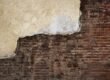
Identifying decay early is the best way to manage the costs of historic brownstone restoration NYC. Spalling occurs when the stone breaks into large chips or heavy slabs, often due to internal structural pressure. Scaling is a more superficial but equally concerning issue where the stone surface peels away in thin, paper-like layers. The most deceptive threat is “blind exfoliation.” In this scenario, the stone surface appears intact, but it has actually detached from the substrate behind it. You can often identify this by tapping the stone; a hollow sound indicates a hidden void that requires immediate professional attention.
The 5-Step Process for Historic Brownstone Restoration NYC
Restoring a landmark property isn’t a simple cosmetic task; it’s a methodical engineering project. We follow a rigorous five-step sequence to ensure every historic brownstone restoration NYC project we undertake remains resilient for decades. This process moves from stabilization to finishing, prioritizing the structural health of the sandstone at every stage. We don’t just cover up damage; we rebuild the stone’s integrity from the inside out.
Safe Cleaning and Paint Removal Techniques
Abrasive power washing is a common mistake that destroys the stone’s protective “fire skin.” Instead, we use chemical stripping or a low-pressure misting method. This gentle approach aligns with the preservation standards found in the NYC Rowhouse Manual to protect delicate masonry. Removing layers of old, non-breathable paint is also vital. It allows the stone to “breathe,” ensuring that moisture doesn’t become trapped behind a plastic-like film, which often leads to rapid internal decay.
Next, we focus on masonry reinforcement and the slurry coat. We use stainless steel pins or mesh to secure larger repair areas, providing mechanical stability where the original stone has weakened. We then apply a slurry coat, which acts as a chemical bonding agent. This layer creates a bridge between the original sandstone and the new restoration material, ensuring they expand and contract as a single unit during New York’s harsh temperature swings.
Patching and Sculpting with Cementitious Mixes
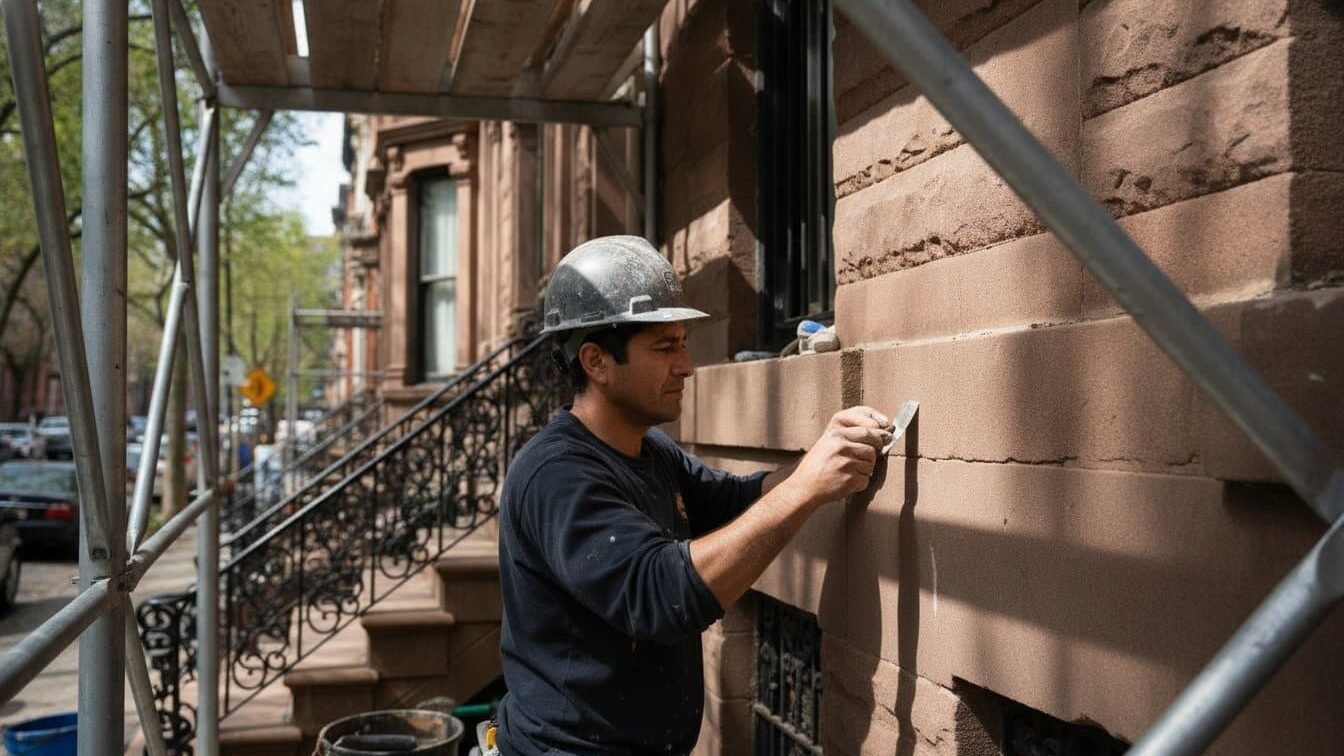
The final stage involves finishing and sculpting using specialized, breathable masonry repair mortars. We prefer materials like Edison Coatings because they match the vapor permeability of natural sandstone. We apply these mixes in multiple thin layers to prevent shrinkage cracks and ensure long-term durability. Our masons then “tool” the surface to replicate the original architectural profiles, whether that’s a smooth finish or a specific decorative pattern. If you’re noticing early signs of stone fatigue, it’s wise to consult an expert in facade restoration before minor scaling turns into a major structural issue.
Structural Masonry: Repointing and Waterproofing the Exterior
The mortar joints in your facade act as the building’s respiratory system. While homeowners often focus on the stone’s surface, the material between those stones determines whether the structure survives the next decade. In the context of a historic brownstone restoration NYC, structural masonry isn’t just about aesthetics; it’s about managing movement and moisture. Using the wrong materials here is one of the most expensive mistakes a property owner can make.
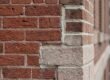
Modern Portland cement is frequently used by inexperienced contractors because it is cheap and sets quickly. However, it is far too hard for historic sandstone. Sandstone is a soft, pliable material that needs to breathe and shift. Because Portland cement is rigid and impermeable, it forces the stone to take the brunt of thermal expansion and contraction. This results in the stone cracking or “popping” around the edges of the joints. We utilize lime-based mortars that are softer than the stone itself, ensuring the mortar remains the sacrificial element that can be easily maintained without damaging the historic fabric.
The Critical Role of Brick Pointing
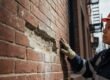
Professional brick pointing NYC involves a meticulous process of raking out old, failing mortar to a depth of at least one inch. We take care to avoid “nicking” the edges of the sandstone, which can lead to permanent scarring. Mortar matching is a science; we analyze the original mix to ensure the new mortar matches the color, texture, and compressive strength of the existing joints. For property managers or those overseeing larger multi-unit buildings, partnering with a seasoned commercial masonry contractor New York is essential to ensure these standards are met across the entire facade.
Advanced Waterproofing for Sandstone
Once the masonry is structurally sound, waterproofing provides the final line of defense. We avoid surface-level films or “sealers” that create a plastic-like coating. These films trap internal vapor, which eventually freezes and causes the stone to explode from the inside out. Instead, we use silane or siloxane-based penetrative sealants. These treatments work at a molecular level, allowing vapor to escape while repelling liquid water from the outside. We pay special attention to lintels and sills, where water tends to pool, ensuring these high-risk areas have maximum protection against the historic brownstone restoration NYC primary enemy: the freeze-thaw cycle.

Navigating NYC Landmarks (LPC) and Building Compliance
Owning a piece of New York’s architectural history is a significant responsibility that involves strict legal oversight. If your property sits within a designated historic district, any historic brownstone restoration NYC project must be vetted by the Landmarks Preservation Commission (LPC). This ensures that the aesthetic fabric of the neighborhood remains intact. Navigating these regulations requires a contractor who understands the difference between a simple repair and a landmark-regulated restoration.
The type of permit you need depends on the scope of your work. A “Permit for Minor Work” is typically issued for repairs that don’t change the appearance of the stone, such as repointing or cleaning. However, if you’re rebuilding a stoop or replacing significant sections of the facade, you’ll likely need a “Certificate of Appropriateness.” This process is more rigorous and often involves a public hearing. Current data for 2026 shows that obtaining this certificate can take between four and twelve weeks. With LPC permit applications up by 4% this year, filing your paperwork early is essential to avoid project delays.
Approval isn’t just about paperwork; it’s about physical proof. The LPC requires contractors to provide physical stone samples for color matching before work begins. We create mock-ups using the specific cementitious mixes mentioned earlier to ensure the texture and hue match the original 19th-century Portland sandstone perfectly. For owners of taller brownstones, usually those over six stories, compliance becomes even more complex. You must also adhere to the requirements of Local Law 11 facade repair NYC, which involves mandatory safety inspections every five years.
Permit Processes for NYC Property Owners
The most common pitfall in the application process is submitting incomplete technical drawings or vague material specifications. To avoid fines and “Stop Work” orders, every detail of the masonry mix and cleaning method must be documented. Certain minor facade repairs may qualify for an expedited review, which can significantly shorten the wait time. Performing unpermitted work in a historic district is a costly mistake that leads to heavy fines and legal complications that can stall your project for months. Before finalizing your budget, reviewing a detailed breakdown of facade restoration cost NYC property owners face in 2026 can help you plan for permit fees, scaffolding, and material expenses from the outset.
Safety Compliance and Sidewalk Protection
Site safety is just as important as the restoration itself. NYC building codes require the installation of sidewalk sheds, commonly known as scaffolding, to protect pedestrians from falling debris during the removal of loose masonry. This is a non-negotiable safety requirement for any major facade work. Additionally, maintaining your property includes keeping the walkways clear of defects. If you’ve received a notice from the city, our expertise in NYC sidewalk violation removal ensures your entire property remains in full compliance with Department of Buildings standards. If you need help managing these complex requirements, contact our team for a professional Local Law 11 repair consultation.
Long-Term Maintenance: Protecting Your Restoration Investment
Completing a historic brownstone restoration NYC project is a significant achievement, but it’s the beginning of a new chapter in your property’s lifecycle. Sandstone remains a living, breathing material that reacts to every seasonal shift in the New York climate. To ensure your investment remains secure, you must move from a mindset of “repair” to one of “preservation.” We recommend establishing a strict five-year inspection cycle for all masonry joints and stone surfaces to catch minor weathering before it requires heavy intervention.
Water management is the most critical factor in long-term durability. While the facade gets the most attention, the “bones” of the building often dictate its health. Proper parapet wall construction New York is essential for preventing roof-level leaks that can travel down behind the stone facade. If the parapet or the cornice is neglected, water can seep into the top of the wall, leading to internal rot and eventual stone failure. Simple tasks like cleaning gutters and ensuring the cornice is free of debris prevent “concentrated wash” damage, where water pours over a single point of the stone rather than shedding away safely.
Seasonal Checklist for Brownstone Owners
Consistency is your best defense against the elements. We suggest a walkthrough every spring and fall to monitor the building’s condition. Use this checklist to stay ahead of potential issues:
- Post-Winter Inspection: Check for new hairline cracks or small chips after the final freeze-thaw cycle of the season.
- Lintel and Sill Review: Inspect the “wash” or sloped surface of your lintels. Ensure water isn’t pooling on these flat surfaces, which can lead to rapid spalling.
- Drainage Check: Verify that downspouts are clear and directing water at least three feet away from the facade foundation to prevent rising damp.
When to Call a Professional Masonry Expert
There is a specific “point of no return” where crumbling stone transitions from a cosmetic issue to a structural hazard. If you notice “blind exfoliation” or hollow-sounding stone, professional intervention is required immediately. Beware the trap of “patching the patch.” If previous repairs are failing or pulling away from the stone, it’s a clear sign of deeper structural moisture issues that a superficial fix won’t solve. Seeking a consultation at the first sign of trouble helps you avoid the stress of emergency repairs or unexpected Local Law 11 violations. At Brick Tech Contracting Corp, we view our work as a long-term partnership. We’re here to provide the ongoing exterior maintenance and minor repairs that keep your historic brownstone restoration NYC looking as resilient as the day it was finished.
Protecting Your Legacy in New York City
Restoring a historic facade is a complex undertaking. It balances geological science with strict legal compliance. Success depends on using materials that respect the sandstone’s natural properties, such as lime-based mortars and breathable waterproofing treatments. By following a methodical 5-step process and adhering to LPC standards, you protect both the architectural heritage and the market value of your property. Longevity requires constant vigilance.
Brick Tech Contracting Corp has served as a family-owned team of NYC masonry experts since 1980. We specialize in LPC-compliant facade restoration. Our team provides comprehensive exterior care, ranging from parapet wall construction to sidewalk violation removal. Our mission is to provide the stability and peace of mind you need when managing a historic brownstone restoration NYC project. We invite you to Get a Professional Brownstone Restoration Estimate from Brick Tech and start a partnership built on transparency and excellence. Your home is a vital piece of the city’s history. It deserves expert care to stand firm for the next century.
Frequently Asked Questions
How much does historic brownstone restoration cost in NYC?
Costs for facade restoration vary based on the building’s height, the extent of the stone decay, and the complexity of the architectural details. A project involving extensive hand-sculpting and stoop rebuilding requires a different investment than a targeted repointing job. Factors like the current Landmarks Preservation Commission (LPC) filing fees and the necessity for sidewalk sheds also influence the total budget. For a detailed breakdown of what drives these expenses, our guide on facade restoration cost NYC property owners face in 2026 provides per-square-foot benchmarks and compliance cost estimates. We provide custom estimates for every historic brownstone restoration NYC project to ensure the scope matches your property’s specific needs.
Can I paint my brownstone facade if it is in a historic district?
You generally cannot paint a natural brownstone facade if your building is located within a designated NYC historic district. The LPC requires that the original color and texture of the sandstone be maintained or restored using approved cementitious mixes. If the building was historically painted, you might receive permission to repaint, but the color must be approved through a formal application process. Most owners find that restoring the natural stone finish provides better long-term durability and higher property value.
How long does a typical brownstone facade restoration take?
A typical restoration project usually takes between four to eight weeks once the construction phase begins. This timeline depends on the weather and the number of decorative elements that require multi-layer masonry applications. You must also account for the initial permit phase, which currently takes between four to twelve weeks for LPC review. We coordinate the stabilization, cleaning, and finishing phases to move the project forward efficiently while respecting the curing times required for high-quality masonry work.
What is the difference between brownstone restoration and brownstone repair?
Restoration is a comprehensive process that returns the entire facade to its original 19th-century state, while repair focuses on fixing isolated defects. A repair might involve patching a single cracked window sill or repointing a small section of a parapet wall. Restoration addresses the root causes of decay across the whole building, including stripping away old paint and stabilizing the substrate. This holistic approach ensures the entire facade functions as a weather-resistant system, providing much better protection than a series of disconnected patches.
Do I need a permit from the Landmarks Preservation Commission (LPC) for minor repairs?
Yes, you typically need an LPC permit for even minor repairs like repointing or chemical cleaning. Most maintenance tasks fall under a “Permit for Minor Work,” which is a streamlined approval process for repairs that don’t change the building’s appearance. Performing work without these approvals can lead to heavy fines and “Stop Work” orders from the city. Working with an experienced contractor who understands the filing process is the best way to ensure your project stays in full legal compliance.
Why is my brownstone peeling and crumbling?
Brownstone peels and crumbles primarily due to water infiltration and the freeze-thaw cycle. When water enters the porous sandstone and freezes, it expands and shatters the stone’s internal bonds. This is often worsened by “face-bedding,” where the stone layers were originally installed vertically rather than horizontally. Trapped moisture behind non-breathable coatings or hard Portland cement mortars also accelerates this decay. Once the stone’s protective outer layer is compromised, the internal layers begin to scale and fall away in sheets.
How often should I repoint the mortar on my brownstone?
You should plan to repoint the mortar joints on your brownstone every 15 to 25 years. The lifespan of your masonry joints depends on the building’s exposure to the elements and the quality of the lime-based mortar used in previous work. We recommend a professional inspection every five years to identify localized mortar failure. Addressing these small gaps early prevents water from reaching the soft sandstone substrate, which is the most effective way to avoid the need for a massive structural restoration in the future.
Can I restore my brownstone in the winter?
It is not recommended to perform a historic brownstone restoration NYC during the winter months. Masonry materials, including the specialized slurries and sculpting mixes we use, require consistent temperatures above 40 degrees Fahrenheit to cure properly. If the water in the mortar freezes before it has fully set, the material will lose its structural integrity and fail prematurely. Most professional restoration work is scheduled between April and November to ensure the repairs bond correctly and provide the long-term protection your investment deserves.