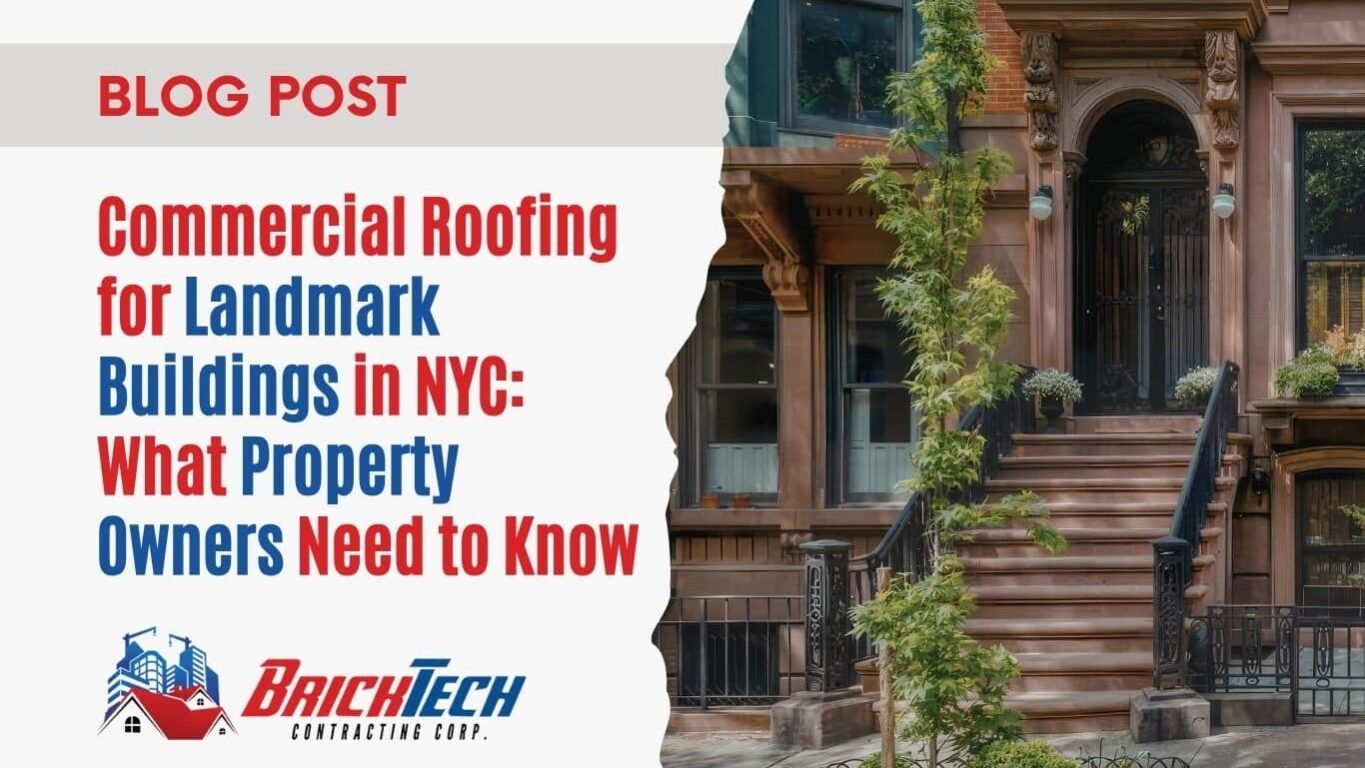
New York City is home to some of the most recognizable historic and landmark buildings in the country. From pre-war commercial properties in Manhattan to brownstones, mixed-use buildings, and architecturally significant façades throughout Brooklyn, Queens, The Bronx, and Staten Island, these structures require a careful approach to maintenance and repair.
One of the most important — and often overlooked — parts of preserving a landmark building is the roof. A commercial roof does more than protect the interior from rain and snow. On older NYC buildings, the roof also affects parapet walls, masonry, coping stones, flashing, drainage systems, cornices, and exterior façades.
For property owners, building managers, co-op boards, and commercial real estate investors, understanding how commercial roofing works on landmark buildings can help prevent costly damage, protect historic character, and extend the life of the property.
Why Landmark Buildings Need a Specialized Roofing Approach
Landmark and historic buildings are not like modern commercial structures. Many were built with older materials, traditional masonry methods, decorative exterior details, and rooflines that require specialized care.
A standard commercial roofing repair may solve a surface-level leak, but on a landmark building, the wrong repair method can create bigger problems. Poor flashing, improper waterproofing, mismatched materials, or careless installation can damage historic brickwork, weaken mortar joints, or affect the building’s architectural appearance.
That is why roofing work on historic and landmark properties should always consider both performance and preservation.
Common Roofing Challenges on NYC Landmark Buildings
Roofing options in NYC must contend with the demanding conditions faced by commercial roofs in New York City. Heavy rain, snow, freeze-thaw cycles, summer heat, rooftop equipment, and dense urban surroundings all place stress on roofing systems.
On landmark buildings, these challenges are often more complex. Property owners may deal with:
- Aging flat roof systems
- Deteriorated flashing around walls and penetrations
- Cracked or loose parapet walls
- Water pooling from poor drainage
- Damaged coping stones
- Leaks near skylights, chimneys, bulkheads, or roof hatches
- Moisture entering brick, stone, or terra cotta details
- Previous repairs that used incompatible materials
- Limited roof access in dense NYC neighborhoods
Because many historic NYC buildings have masonry walls and decorative façades, roof leaks can quickly become exterior restoration problems. Water that enters through the roofline may travel into brickwork, mortar joints, interior walls, or façade elements.
How Roof Problems Can Damage Masonry and Landmark Façades
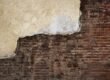
On older NYC buildings, the roof and façade work together. If the roof drainage system fails, water may spill over parapet walls or seep into the masonry below. Over time, this can cause staining, efflorescence, spalling brick, mortar erosion, cracks, and loose exterior materials.
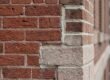
This is especially important for landmark buildings, where the visual appearance of brick, stone, brownstone, terra cotta, and decorative trim must be preserved.
Some warning signs that roofing issues may be affecting the façade include:
- Water stains on exterior walls
- White powdery residue on brick or stone
- Cracked mortar joints near the roofline
- Interior ceiling or wall leaks
- Loose coping stones
- Rust stains near metal flashing
- Bubbling paint or plaster inside the building
- Deterioration around cornices, parapets, or decorative details
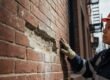
If these signs appear, property owners should not treat the roof and exterior wall as separate issues. A complete inspection of the roof, flashing, waterproofing, and masonry may be needed.

Choosing the Right Commercial Roofing System for a Landmark Building
The best roofing system depends on the building’s structure, roof slope, drainage layout, age, usage, and preservation needs. Many commercial and mixed-use buildings in NYC have flat or low-slope roofs, which require durable waterproofing and proper drainage.
Common commercial roofing options may include:
Modified Bitumen Roofing
Modified bitumen is commonly used on flat and low-slope commercial roofs. It offers durability, flexibility, and weather resistance, making it a practical choice for many NYC buildings.
TPO or EPDM Membrane Roofing
Single-ply roofing membranes such as TPO and EPDM can provide strong waterproofing performance for flat roofs. These systems are often used on commercial properties where energy efficiency and long-term protection are priorities.
Liquid-Applied Waterproofing
Liquid-applied systems can be useful for complex roof areas, penetrations, and details where seamless waterproofing is important. This can be especially helpful around parapets, roof edges, and transitions.
Metal Roofing and Flashing
Architectural metal can play an important role in landmark roofing projects, especially for flashing, coping, cornices, gutters, and roof edge details. When properly designed and installed, metal components can help protect vulnerable areas while preserving the building’s appearance.
The goal is not simply to install a new roof. The goal is to choose a roofing solution that protects the building, supports drainage, works with the existing structure, and respects the historic exterior.
Why Flashing, Coping, and Drainage Matter So Much
For landmark buildings, roofing details are just as important as the main roof surface.
Flashing, coping stones, scuppers, drains, gutters, and roof edges control how water moves off the building. If these components fail, water can enter the wall system and damage both the roof and the façade.
Key areas that should be inspected include:
- Parapet wall flashing
- Base flashing at roof-to-wall transitions
- Coping stones and metal caps
- Roof drains and scuppers
- Gutters and downspouts
- Skylight and hatch flashing
- Chimney and bulkhead penetrations
- Expansion joints
- Roof edges and cornice areas
In New York City, where many commercial roofs are flat or low-slope, drainage problems are especially common. Standing water can shorten the life of a roofing system and increase the risk of leaks. On older buildings, water that sits near parapet walls can also accelerate masonry deterioration.
Balancing Modern Roofing Performance With Historic Preservation
A landmark building still needs modern protection. Property owners should not have to choose between preserving historic character and improving roof performance.
A properly planned roofing project can help improve:
- Waterproofing
- Energy efficiency
- Drainage
- Roof lifespan
- Interior protection
- Structural safety
- Façade preservation
- Long-term maintenance costs
However, the work must be planned carefully. Historic buildings may require material matching, careful demolition, protection of exterior details, and coordination between roofing, masonry, waterproofing, and façade restoration specialists.
Brick Tech Contracting Corp provides landmark restoration services for historic buildings, brownstones, pre-war properties, commercial structures, and architecturally significant façades in New York City. This makes it important to connect the roofing discussion to the full exterior envelope, not just the roof membrane.
When Should Property Owners Schedule a Roof Inspection?
Property owners should not wait for major leaks before scheduling an inspection. Preventive inspections can identify small issues before they become expensive repairs.
A landmark or historic commercial building should be inspected if:
- The roof is more than 15 years old
- There are signs of interior leaks
- Water is pooling on the roof
- Brick or mortar is deteriorating near the roofline
- Flashing appears loose, rusted, or cracked
- Coping stones are damaged
- The building recently experienced severe weather
- Previous roof repairs are failing
- The property is being prepared for sale, renovation, or refinancing
Routine building assessments are especially important for NYC buildings because roof problems can affect multiple parts of the structure, including the masonry, façade, interior walls, and foundation drainage.

Why Work With a Local NYC Roofing and Restoration Contractor?
Commercial roofing on landmark buildings requires local commercial roofing expertise. NYC buildings have unique architectural styles, dense site conditions, flat roof systems, masonry façades, and demanding weather exposure.
A local contractor understands how to work with older buildings, protect surrounding areas, and address roofing issues that are common across Manhattan, Brooklyn, Queens, The Bronx, and Staten Island. Brick Tech’s commercial roofing services are positioned for NYC properties, including commercial roofing repair, replacement, and installation across the five boroughs.
Working with a contractor who also understands masonry, waterproofing, and façade restoration is especially valuable for landmark buildings. Roof leaks often affect exterior walls, and exterior wall problems often connect back to roofing or drainage failures.
Commercial Roofing and Landmark Restoration Work Best Together
For many historic NYC buildings, the roof should be evaluated as part of the entire building envelope. That includes the roof membrane, flashing, parapet walls, masonry joints, waterproofing, façade details, and drainage systems.
Combining commercial roofing knowledge with landmark restoration expertise can help property owners:
- Prevent recurring leaks
- Protect historic brick and stone
- Improve long-term waterproofing
- Reduce emergency repair costs
- Preserve architectural character
- Maintain property value
- Improve building safety
Instead of patching isolated roof problems, a complete approach helps address the root cause of water intrusion and exterior deterioration.
Conclusion
Expertise in commercial roofing is essential for landmark buildings in NYC, as it requires more than basic roof repair. These properties need a careful approach that protects the structure, preserves historic details, and improves long-term performance.
From flat roof waterproofing and flashing to parapet walls, drainage, coping stones, and masonry façades, every part of the roofline plays a role in protecting the building.
If you own or manage a historic, pre-war, commercial, or landmark property in New York City, working with an experienced roofing and restoration contractor can help prevent costly damage and preserve the building for years to come.
For commercial roofing, waterproofing, masonry, façade restoration, and landmark restoration services in NYC, contact Brick Tech Contracting Corp today.
Call: (718)-200-0699
Service Area: Manhattan, Brooklyn, Queens, The Bronx, Staten Island, and surrounding NYC areas