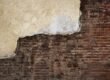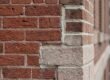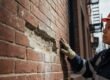
Is that hairline crack on your building’s exterior a minor cosmetic blemish or a five-figure DOB violation waiting to happen? For many New York City property owners, the distinction isn’t always clear until water begins to seep into the interior or an inspector arrives at the door. You’ve likely spent nights worrying about whether your facade is traditional masonry or an EIFS system, and how those differences impact your maintenance costs. It’s a valid concern because the city’s harsh freeze-thaw cycles and salt air don’t show mercy to neglected surfaces.
This guide provides a clear roadmap for stucco facade repair NYC to help you secure your building’s structural integrity and protect your equity. You’ll learn how to identify early warning signs of failure, understand the nuances of modern waterproofing, and navigate the strict requirements of FISP Cycle 10. We’ll break down the technical repair process and the specific compliance steps needed to keep your property safe and violation-free through 2026 and beyond. By focusing on durable, weather-resistant solutions, you can ensure your building remains a protected and high-performing asset for years to come.
Key Takeaways
- Identify the critical differences between traditional cement-based stucco and modern EIFS systems to ensure you apply the correct maintenance strategy for your building’s envelope.
- Master a simple visual checklist and the “tap test” to detect delamination and hidden moisture infiltration before they escalate into structural failures or costly city violations.
- Understand why professional surface preparation and integrated waterproofing are the essential foundations of a successful and lasting stucco facade repair NYC.
- Navigate the specific requirements of FISP Cycle 10 to maintain compliance with Local Law 11 and avoid the heavy penalties associated with unsafe facade conditions in 2026.
- Learn how to vet contractors for specialized masonry experience and proper insurance to protect your property’s equity and ensure all work meets strict NYC building codes.
Understanding Stucco Facade Systems in the NYC Environment
In the dense architectural landscape of New York City, stucco serves as a critical protective envelope for thousands of residential and commercial buildings. This Stucco building material is essentially a cement-based plaster that provides a durable, fire-resistant, and aesthetically versatile skin. Whether it’s a historic brownstone detail or a modern multi-family development, stucco acts as the first line of defense against the city’s relentless environmental stressors. However, maintaining this defense requires an understanding of the specific system protecting your property, as the approach to stucco facade repair NYC depends entirely on the underlying materials.
The NYC climate is notoriously harsh on masonry. We experience extreme temperature swings where winter nights freeze moisture trapped in the walls, only for it to thaw under the morning sun. This cycle puts immense pressure on the facade’s bond. When combined with high humidity and driving rain, even minor gaps in the stucco can lead to significant structural concerns if left unaddressed.
Traditional 3-Coat Stucco vs. EIFS
Traditional stucco is a time-tested system consisting of Portland cement, lime, and sand. It’s typically applied in three distinct layers: a scratch coat, a brown coat, and a finish coat. This system is rigid and breathable, meaning it allows small amounts of moisture vapor to escape the building. While it’s incredibly durable, its rigidity makes it prone to cracking if the building settles or vibrates.
Exterior Insulation and Finish Systems (EIFS), often called synthetic stucco, became popular in NYC for its superior insulation properties. It uses expanded polystyrene (EPS) foam boards attached to the substrate, covered with a reinforced mesh and a synthetic finish coat. While EIFS provides excellent energy efficiency, it is not naturally breathable. If water gets behind the foam due to poor caulking or flashing, it can become trapped, leading to rot in the underlying structure. Choosing the right partner for facade restoration NYC ensures these moisture management systems are correctly diagnosed and repaired.
NYC-Specific Stress Factors
Beyond the weather, New York City presents unique challenges that accelerate stucco degradation. The constant vibrations from subway lines and heavy truck traffic on local streets create micro-movements in building foundations. These vibrations often manifest as hairline fractures in the stucco, which eventually widen into paths for water infiltration.
Geographic location also plays a role. Properties in coastal areas like Brooklyn and Queens face salt air, which can be corrosive to the metal lath used in traditional stucco systems. Additionally, urban pollution and soot accumulate on textured surfaces. This isn’t just an aesthetic issue; acidic pollutants can slowly degrade the finish coat, making regular power washing and professional stucco facade repair NYC essential for long-term protection.
Identifying Common Signs of Stucco Failure and Damage
Early detection is the most effective way to manage the costs of stucco facade repair NYC. By the time water starts dripping from your interior ceiling, the damage behind the stucco has likely been progressing for months. You don’t need to be an engineer to spot the initial red flags; you just need to know what to look for during a routine walk-around of your property. A simple visual checklist should include checking for localized discoloration, peeling paint, or any visible gaps around window frames and door headers.
One of the most reliable methods for checking the health of your facade is the “tap test.” Professionals use this to identify delamination, which occurs when the stucco pulls away from the substrate. If you gently tap on a suspicious area and hear a hollow, drum-like sound, it indicates that the bond has failed. This creates a pocket where moisture can collect, leading to rapid deterioration of the building’s structural components. Understanding stucco restoration best practices is vital for addressing these hollow spots before the material physically falls from the wall.
Cracking Patterns and Their Meanings
Not all cracks are created equal. Hairline cracks, often less than 1/16th of an inch, are frequently the result of seasonal expansion and contraction. While they may seem minor, they still require sealing to prevent moisture from entering. Spiderweb cracking, on the other hand, usually points to issues during the original installation, such as a mix that was too rich or material that dried too quickly in the sun.
Structural cracks are a more serious concern. These typically run in long vertical or horizontal lines or follow a stair-step pattern. They often signal foundation settlement or significant structural movement. In New York City, these are frequently exacerbated by the constant vibrations from nearby subway lines. If you notice these patterns, it’s a clear sign that a superficial patch won’t suffice. You may need a professional facade restoration assessment to determine if the underlying structure is compromised.
Moisture and Efflorescence
If you see white, chalky stains on your facade, you’re looking at efflorescence. This occurs when water travels through the masonry and carries mineral salts to the surface. It’s a definitive sign that moisture is moving through your wall system. Bulging or “bubbling” stucco is an even more urgent warning; it means water is already trapped behind the finish coat. Finally, look for rust bleeds. These orange or brown streaks indicate that the metal lath or structural steel underneath is corroding. Once the metal expands due to rust, it will inevitably force the stucco to pop off, creating a safety hazard for pedestrians below.
The Professional Stucco Repair and Restoration Process
Professional stucco facade repair NYC is about more than just filling a crack. While hardware store patches might look okay for a week, they rarely survive a single New York winter. DIY attempts often fail because they lack the proper bonding agents and don’t address the underlying moisture that caused the failure in the first place. A professional approach ensures that the new material integrates perfectly with the existing substrate, creating a unified barrier against the elements. This level of precision is required to protect the building’s equity and maintain its structural health over the long term.
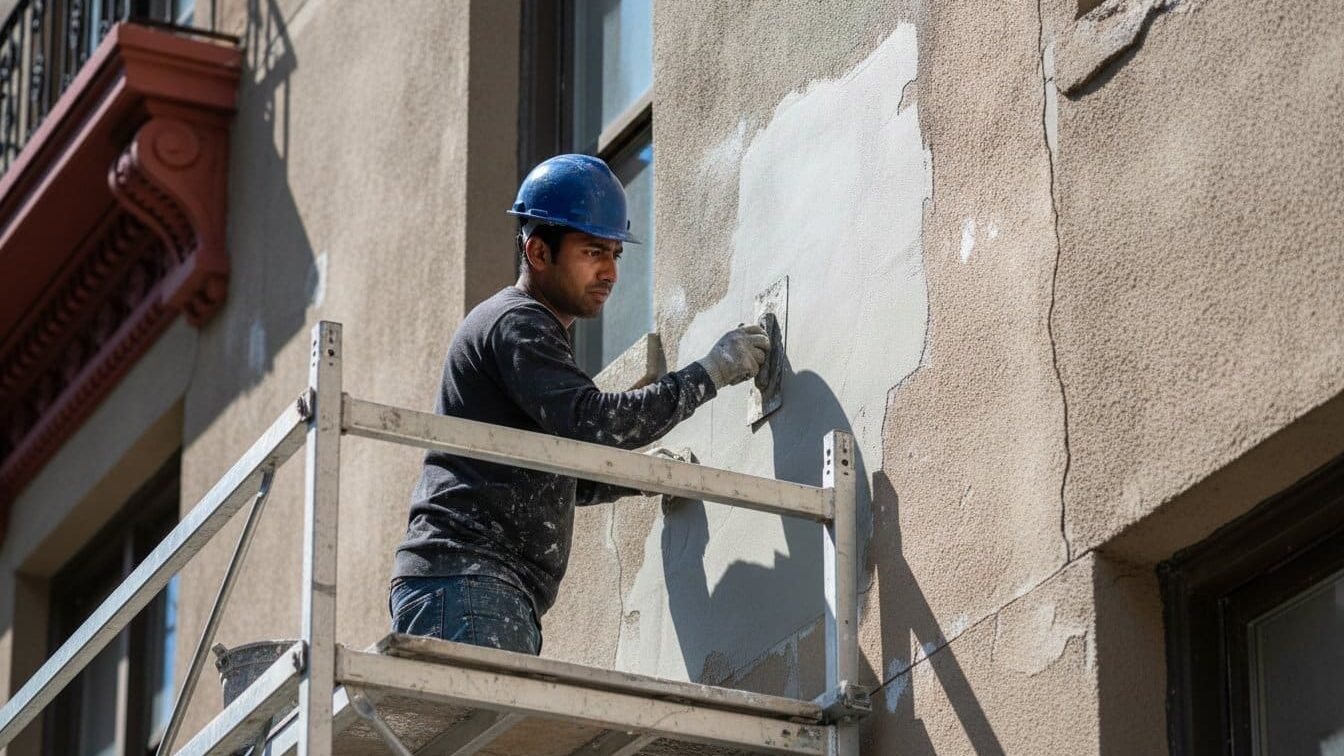
Effective restoration starts with high-grade tools and meticulous preparation. We use diamond-blade saws to cut out damaged sections cleanly, preventing further cracking in the healthy areas. This stage is also the best time to incorporate comprehensive waterproofing services. By sealing the substrate before the stucco is applied, we create a secondary line of defense that protects your building’s interior even if the facade experiences micro-cracking in the future. Proper preparation isn’t a suggestion; it is the foundation of a repair that lasts decades instead of months.
Step-by-Step Restoration Methodology
Our team follows a methodical three-step process to ensure structural longevity. First, we remove all loose material and clean the substrate to ensure a clean bond. Second, we inspect and repair the underlying wire lath or masonry. If the metal is rusted, it must be replaced to prevent future “spalling” or expansion. Finally, we apply the three traditional coats: the scratch coat for the bond, the brown coat for leveling, and the finish coat for texture. Each layer requires specific curing times to reach maximum strength, a step that is often rushed by inexperienced contractors. Following these protocols is essential for meeting the safety standards of the NYC Façade Inspection & Safety Program.
Color Matching and Aesthetic Finishing
Matching the color and texture of aged stucco is an art form. In historic NYC neighborhoods, a patch that doesn’t match the original finish can hurt your property’s curb appeal. We utilize advanced texture matching techniques to replicate original dash or swirl finishes. To ensure a seamless look, we often recommend Thorocoat or elastomeric coatings. These professional-grade finishes provide a uniform color across the entire facade while offering superior flexibility. This flexibility allows the coating to stretch over hairline cracks, providing an extra layer of protection against the city’s temperature fluctuations and urban vibrations.

NYC Building Compliance and Local Law 11 Requirements
For any NYC building six stories or taller, the condition of your stucco facade is a matter of public record. The Department of Buildings (DOB) regulates these structures through the Façade Inspection Safety Program (FISP), commonly known as Local Law 11. As we move into 2026, we’re currently in FISP Cycle 10. For owners with block numbers ending in 0, 7, or 8, the filing window for sub-cycle 10B opens on February 21, 2026. Neglecting your facade doesn’t just lead to leaks; it leads to escalating monthly fines and the mandatory installation of expensive sidewalk sheds.
FISP (Local Law 11) Classifications
Buildings are classified into three distinct categories following a QEWI inspection. A “Safe” rating requires no action, but many older stucco buildings receive a “SWARMP” (Safe With a Repair and Maintenance Program) designation. This means the facade is currently safe but has defects that will become hazardous if not fixed. Under current 2026 regulations, failing to correct SWARMP conditions within the required timeframe results in a $2,000 monthly penalty. It’s a costly price for delaying essential maintenance.
If your facade is designated as “Unsafe,” you must take immediate action. This typically involves installing a sidewalk shed to protect pedestrians from falling stucco. With installation and rental costs often ranging from $40 to $100 per linear foot, these sheds can quickly become a massive financial drain. Proactive stucco facade repair NYC is the only way to avoid these classifications and keep your maintenance budget under control.
Permits and DOB Regulations
While minor cosmetic patching might not require a permit, most significant restoration work does. This is especially true if the repair involves replacing the underlying metal lath or structural masonry. The “Get Sheds Down” legislation, effective January 2026, imposes heavy penalties on owners who leave sidewalk sheds up for extended periods without active repair work. You must have a clear timeline and the proper permits in place before work begins to avoid these new fines.
Falling debris is a major liability that often results in NYC sidewalk violations. When stucco pieces land on the public right-of-way, the DOB can issue violations that must be cleared before you can sell or refinance your property. Keeping meticulous records of all facade work provides a paper trail of compliance that protects your building’s equity during future appraisals. If you need to resolve a pending violation or prepare for your next FISP inspection, contact the experts at Brick Tech Contracting Corp to schedule a professional assessment.
Choosing a Reliable NYC Stucco Repair Contractor
Selecting the right team for stucco facade repair NYC is a decision that impacts your building’s safety, compliance, and long-term market value. In a city where environmental stressors are constant, you can’t afford to hire a contractor who treats stucco as a simple cosmetic finish. You need a partner who understands that the facade is a high-performance structural skin. Proper vetting ensures that the work performed today won’t result in a failure or a Department of Buildings violation two years down the line. Always verify that a contractor holds active NYC-specific licenses and comprehensive insurance that covers high-rise facade work.
Many property owners fall into the trap of hiring “generalists” who claim to do it all. However, these firms often lack the specialized masonry knowledge required for complex facade restoration NYC needs. A localized expert understands the specific building stock of our city, from pre-war brownstones to modern EIFS-clad developments. They know how to navigate the permitting process and how to stage a job site safely on a crowded city sidewalk. At Brick Tech Contracting Corp, we’ve remained dedicated to this level of technical excellence and structural integrity since 1980.
Questions to Ask Your Masonry Specialist
Before signing a contract, it’s essential to interview your specialist to gauge their technical depth. Don’t hesitate to ask direct questions about their past performance and methodology. A reliable expert will be transparent about their process and happy to provide proof of their expertise. Consider asking the following:
- Do you have experience with historic brownstone restoration? Historic materials require specific lime-based mortars that modern contractors often overlook.
- What specific waterproofing systems do you integrate with stucco repair? A repair without integrated waterproofing is only a temporary fix.
- Can you provide references for buildings of a similar age and size? Seeing a contractor’s work on a comparable property is the best way to verify their capability.
The Brick Tech Advantage
We view our work as a partnership with the property owner rather than a one-off transaction. This relationship-oriented approach means we prioritize the long-term health of your investment over quick, superficial fixes. By combining our specialized stucco expertise with services like brick pointing NYC, we provide a total care solution for your building’s envelope. We don’t just patch cracks; we reinforce the entire facade to withstand the city’s unique climate. Our team ensures that every repair is meticulous, weather-resistant, and fully compliant with the latest 2026 building codes, giving you the peace of mind that your equity is protected for decades to come.
Securing Your NYC Property for 2026 and Beyond
Maintaining a building in New York City requires technical vigilance and strict regulatory compliance. Successful stucco facade repair NYC depends on addressing moisture issues at their source and partnering with specialists who understand the city’s specific environmental stressors. By identifying early warning signs like efflorescence or hollow spots now, you can avoid the heavy penalties and safety hazards associated with FISP Cycle 10. Proactive care is always more cost-effective than reactive emergency repairs.
Brick Tech Contracting Corp has served as a reliable expert for property owners since 1980. We are specialized in DOB violation removal and operate as dedicated masonry and waterproofing specialists across the five boroughs. Our team prioritizes long-term structural integrity to ensure your investment stays protected against the elements and remains fully compliant with evolving building codes. We view every project as a partnership aimed at preserving the safety and value of your real estate.
Protect your building’s future. Contact Brick Tech for a professional facade inspection today.
Your property is one of your most significant assets. Taking these essential steps today ensures your building remains a safe, resilient, and beautiful part of the New York City skyline for decades to come.
Frequently Asked Questions
How much does stucco facade repair cost in NYC?
Repair costs depend on the severity of the damage and the total square footage requiring restoration. Minor cosmetic patching is generally more affordable than structural remediation involving moisture removal. Total expenses are also influenced by the need for sidewalk sheds or specialized scaffolding for high-rise buildings. We recommend a professional on-site assessment to determine the specific requirements for your property’s unique facade condition.
What is the difference between traditional stucco and EIFS?
Traditional stucco is a cement-based plaster applied over a wire lath, while EIFS is a multi-layered synthetic system involving foam insulation boards. Traditional systems are rigid and breathable, whereas EIFS provides superior energy efficiency but requires meticulous sealing to prevent moisture from becoming trapped behind the foam. Choosing the wrong repair method for your specific system can lead to rapid failure and interior water damage.
How long does a professional stucco repair last in New York?
A high-quality stucco facade repair NYC can last 20 years or more when integrated with proper waterproofing and professional surface preparation. Longevity depends heavily on the quality of the bond and the building’s exposure to environmental stressors. Regular maintenance, such as power washing and sealing hairline cracks, significantly extends the life of the repair. Using elastomeric coatings also provides a flexible shield that moves with the building.
Can you repair stucco in the winter in NYC?
Stucco repair is generally not recommended when temperatures drop below 40 degrees Fahrenheit. The cement-based mixtures require specific thermal conditions to cure correctly and reach their full structural strength. If the material freezes before it dries, it will become brittle and eventually flake off. While some emergency patches are possible with heated enclosures, major restoration work is best scheduled for the spring or autumn months.
Do I need a permit from the DOB for stucco repair?
Minor cosmetic repairs often do not require a permit, but structural work or changes to the facade’s appearance usually do. If your project involves replacing the underlying lath or affects more than a small percentage of the wall surface, you must file with the Department of Buildings. Additionally, any work requiring a sidewalk shed or scaffolding triggers mandatory safety permits and inspections to ensure compliance with local safety codes.
What causes stucco to bulge or pull away from the wall?
Bulging is typically caused by trapped moisture that has compromised the bond between the stucco and the substrate. In many cases, rusted metal lath expands and forces the plaster outward, a process known as spalling. This is a serious safety concern because the delaminated material can fall without warning. In NYC, this is often exacerbated by water entering through unsealed windows or roof parapets and becoming trapped behind the facade.
How often should I have my building’s stucco facade inspected?
Property owners should conduct a visual walk-around every year and hire a professional for a detailed inspection every five years. This five-year interval aligns with the NYC Local Law 11 requirements for buildings over six stories. Regular inspections allow you to catch hairline cracks or minor discoloration before they turn into “Unsafe” conditions. Early intervention is the most effective way to avoid the high costs of emergency facade remediation.
Does insurance cover stucco facade repair for NYC buildings?
Most standard property insurance policies do not cover stucco repairs caused by gradual wear and tear or lack of maintenance. However, coverage might apply if the damage was the direct result of a sudden, covered peril like a fire or a severe storm. You should review your specific policy with an agent to understand your coverage limits. We focus on providing the documentation needed to show insurers that work was performed to code.