Choosing the wrong masonry service for your NYC building isn’t just a cosmetic mistake; it’s a gamble with your property’s structural shield. When you’re staring at crumbling mortar joints, the debate of tuckpointing vs repointing often feels like a linguistic trap set by conflicting contractor quotes. While many people use these terms interchangeably, they serve vastly different purposes for your facade. One is a vital structural restoration that keeps water out of your brickwork, while the other is a specialized aesthetic technique designed to mimic the appearance of narrow, perfect joints.
It’s frustrating to receive contradictory advice when you’re simply trying to protect your investment from water infiltration and structural decay. You want to ensure every dollar spent contributes to the longevity and compliance of your building. This guide clears the fog by explaining exactly what each process entails and which one your property actually needs to remain secure. We’ll explore the critical differences in labor, how these choices impact your long-term ROI, and what the latest NYC building code updates mean for your 2026 maintenance schedule.
Key Takeaways
- Distinguish between structural restoration and decorative finishing to avoid paying for services your building doesn’t actually require.
- Learn why matching mortar types and raking out joints to the correct depth are essential steps for preventing future water infiltration and brick damage.
- Discover how to navigate NYC’s specific environmental challenges and maintain compliance with Local Law 11 facade inspection requirements.
- Understand the critical distinction in tuckpointing vs repointing to ensure your choice aligns with both your budget and the long-term structural health of your NYC facade.
- Gain clarity on the labor-intensive nature of masonry repairs so you can accurately budget for your next restoration project.
Many property owners find themselves confused by the terminology used in masonry quotes. While the terms are often used interchangeably in casual conversation, the technical distinction between tuckpointing vs repointing is significant for both your budget and your building’s health. To understand these services, we first look at “pointing.” This is the umbrella term for the initial process of filling mortar joints during a building’s original construction. When that original mortar begins to fail, you’re faced with choosing between a structural repair or an aesthetic enhancement.
Deciding between tuckpointing vs repointing depends on whether you’re solving a leak or upgrading your curb appeal. In the New York market, contractors frequently use the word “tuckpointing” because it sounds more specialized, even when they’re proposing a standard repair. You can spot the difference in a quote by looking at the steps described. If the proposal focuses on grinding out old mortar and refilling it, it’s a structural job. If it mentions a secondary, contrasting line of mortar to create a specific visual effect, it’s decorative.
What is Repointing? The Structural Shield
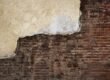
The primary goal of this service is waterproofing and structural stabilization. Over decades, NYC’s harsh freeze-thaw cycles and driving rain cause mortar to crack, gap, or crumble into dust. When your facade reaches this entry state, it’s no longer protecting the brickwork. Repointing is the essential maintenance task for any NYC brick facade. By removing the decayed material and replacing it with fresh, compatible mortar, we restore the wall’s ability to shed water and support its own weight.
What is Tuckpointing? The Aesthetic Polish
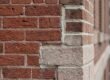
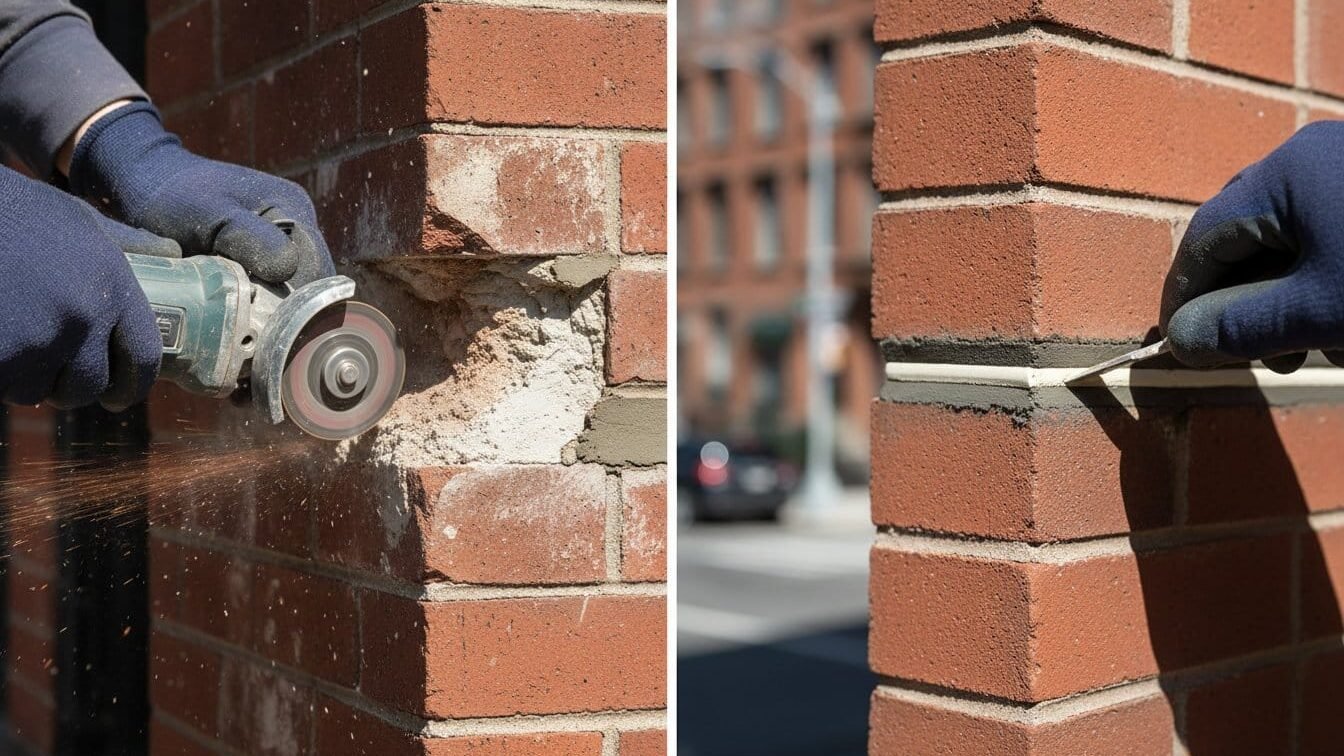
Tuckpointing is a more intricate, two-step process that originated in 18th-century England to mimic the look of expensive “rubbed brick” masonry. First, we apply a base mortar that’s dyed to match the color of the existing bricks. While this base is still wet, we cut a thin groove into it and embed a “fillet,” which is a fine line of contrasting mortar (usually white or cream). This creates the illusion of perfectly straight, narrow joints across the entire wall. Remember that tuckpointing is an additive aesthetic layer, not a replacement for structural repair; it’s the finishing polish for owners who want a high-end, historical look.
The Technical Process: How Professionals Restore Brickwork
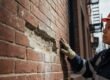
Restoring a masonry facade requires more than just slapping new mud into cracks. When comparing tuckpointing vs repointing, the preparation phase is nearly identical. The process begins with “raking out” the joints. We remove the old, crumbling mortar to a specific depth, usually between 1/2 and 1 inch. This ensures the new material has enough surface area to bond properly. If the cut is too shallow, the new mortar will simply pop out during the next freeze-thaw cycle.
Choosing the right mortar is where many DIY attempts fail. NYC buildings span centuries of construction styles, and a one-size-fits-all approach leads to brick damage. We use Type N for general exterior walls, Type S for high-load areas like parapets, and Type O for historic soft-brick structures. Using a mortar that’s harder than the brick itself causes the brick to crack. The U.S. National Park Service provides detailed guidance on Repointing Mortar Joints in Historic Masonry Buildings to ensure these heritage materials aren’t compromised.
In a dense urban environment, safety and cleanliness are paramount. We utilize vacuum-shrouded grinders and wet-cutting techniques to suppress dust before it reaches the sidewalk. Once the joints are filled, the way they’re finished determines how well the wall sheds water. Concave joints are the gold standard for NYC because their curved shape directs rain away from the brick edges. If you’re unsure which finish suits your property, a professional facade restoration specialist can help you decide.
Step-by-Step Repointing Procedure
We start with a thorough cleaning of the facade to reveal the true extent of the damage. Next, we use specialized tools to remove failing mortar without nicking the edges of the brick. The new mortar is applied in “lifts,” or thin layers, which are packed tightly to eliminate air pockets. This methodical layering creates a dense, waterproof barrier that protects your building’s structural integrity.
The Intricate Art of Tuckpointing
While the structural work is similar, the visual execution of tuckpointing is far more demanding. We first apply a “perking” or base mortar that we’ve custom-dyed to match your specific brick color. While this is still pliable, we cut a precise groove into the center. Then, we lay a contrasting “fillet” line into that groove. This requires an artisan’s steady hand and significantly more time than standard repointing. Because of this dual-layer approach, the labor involved in tuckpointing vs repointing is often doubled, making it a premium choice for historic preservation.
Tuckpointing vs Repointing Comparison: Costs, Durability, and Aesthetics
When evaluating tuckpointing vs repointing, the decision often comes down to a balance between structural necessity and visual ambition. While the foundational steps of removing old mortar are the same, the finishing labor creates a wide gap in project timelines. Repointing is the workhorse of masonry maintenance; it focuses on filling the joint completely to stop water. Tuckpointing, however, is an artisan craft that requires a meticulous hand to apply two distinct mortar layers with surgical precision.
If your goal is to restore a historic brownstone to its original 19th-century glory, the visual “pop” of tuckpointing justifies the higher investment. The crisp, white lines create a sharp contrast that makes old brickwork look brand new. For side walls, rear facades, or modern buildings where aesthetics are secondary, repointing provides identical structural protection. Both methods offer a maintenance cycle of roughly 20 to 30 years in the NYC climate, provided the work is executed by a seasoned professional who understands local weather patterns.
Cost Drivers for NYC Property Owners
NYC property owners face unique expenses that go beyond the mason’s hourly rate. You must account for Department of Buildings (DOB) permits and the mandatory installation of sidewalk sheds or scaffolding. These overhead costs remain constant regardless of the masonry method you choose. Because tuckpointing requires significantly more hours to lay the decorative fillet line, the labor portion of your bill will naturally be higher. Building height also impacts the rate; working on a 10th-story facade requires different rigging and safety protocols than a garden-level repair. For most owners focused on general structural health, repointing remains the most cost-effective path to a secure building.
Longevity and Performance
Professional execution prevents the need for expensive spalling brick repair New York. When mortar fails, water enters the brick, freezes, and causes the brick’s face to pop off. This is a common sight in the five boroughs after a rough winter. Amateur “faux” tuckpointing often involves painting lines over old, failing mortar, which traps moisture and accelerates decay. We prioritize using mortar that’s slightly softer than the existing brick. This allows the wall to expand and contract naturally during temperature swings, preventing the structural cracking that occurs when rigid, incompatible materials are used.

NYC Masonry Challenges: Choosing the Right Method for Your Facade
New York City presents a unique set of environmental stressors that accelerate masonry decay. High humidity and salt air from our coastal geography act as a corrosive force on mortar joints. Over time, these elements weaken the bond between bricks, leading to water infiltration that can compromise your entire building. When deciding between tuckpointing vs repointing, you must consider the specific exposure of your facade. Street-facing walls in historic districts often require the aesthetic precision of tuckpointing to satisfy local regulations. Meanwhile, rear walls and high-exposure areas like parapets or chimneys usually benefit from the robust structural reinforcement of repointing.
Compliance is another major driver for NYC property owners. Buildings over six stories must adhere to the Facade Inspection & Safety Program (FISP), formerly known as Local Law 11. These inspections are rigorous. Inspectors look for loose mortar, cracked bricks, and signs of structural shifting. In 2026, the stakes are higher due to new penalties for delayed repairs ranging from $5,000 to $20,000. Performing proactive masonry work ensures your building remains in “Safe” status, avoiding the costly and prolonged installation of sidewalk sheds.
Historic Brownstone and Landmark Compliance
If your property sits within a designated historic district, you’ll need to navigate the Landmarks Preservation Commission (LPC) rules. These regulations often dictate the exact color, texture, and profile of the mortar joints. Matching historic mortar isn’t just about color; it involves analyzing the sand grain size and lime content. This level of detail is why historic brownstone restoration NYC projects frequently utilize tuckpointing. It allows us to preserve the original architectural intent while providing a modern, weather-resistant barrier that meets stringent city standards.
Waterproofing and Structural Integrity
Even the best masonry job needs secondary protection to withstand NYC’s freeze-thaw cycles. We recommend following any pointing service with a professional grade waterproofing treatment. This extra layer prevents moisture from soaking into the porous brick, which is the root cause of efflorescence and damp interior walls. If you see crumbling joints or staining on your inside drywall, the exterior seal has already failed. Partnering with a waterproofing contractor NYC ensures that your new mortar remains dry and durable for decades.
To protect your property from the next storm cycle, schedule a professional facade assessment with our expert team today.
Professional Brick Pointing in NYC: Why Structural Integrity Comes First
At Brick Tech Contracting Corp, we view every masonry project through the lens of long-term protection. While the visual choice between tuckpointing vs repointing is important, our priority remains the structural integrity of your building’s envelope. A beautiful facade means little if water is still seeping behind the bricks. We emphasize repointing as the foundation of any restoration because it addresses the physical decay that threatens your investment. Our methodical approach ensures that every joint is raked, cleaned, and filled to provide a reliable seal against the elements.
When you’re weighing the benefits of tuckpointing vs repointing, having a partner who understands the technical requirements of both ensures you don’t overspend on unnecessary aesthetics when structural repairs are the priority. A professional restoration begins with a comprehensive exterior inspection where we evaluate the health of the entire wall system. This allows us to provide a quote that clearly distinguishes between structural needs and cosmetic upgrades. Once the masonry repairs are complete, we recommend transitioning to a maintenance mindset. Services like power washing and professional sealing help extend the life of your new mortar, preventing dirt buildup and salt penetration from weakening the joints prematurely.
Why Choose Brick Tech for Your NYC Property?
With localized expertise across all five boroughs since 1980, we understand the specific environmental and regulatory hurdles NYC property owners face. We’re specialists in Local Law 11 repairs and structural masonry, ensuring your building stays compliant and safe. Our commitment to using compatible materials means we treat a 19th-century brownstone with the same technical precision as a modern high-rise. This “reliable expert” approach extends beyond the facade to other critical areas, including NYC sidewalk violation removal, providing a comprehensive solution for your property’s exterior health.
Your Next Steps for Facade Restoration
Protecting your building starts with an accurate assessment. When you schedule a site visit, our team conducts a thorough walkthrough to identify failing mortar, spalling bricks, and potential water entry points. Preparing your building for the process is straightforward; we handle the permits, safety rigging, and Department of Buildings coordination. We view our work as a partnership with you to ensure the safety and longevity of your investment. Don’t wait for a minor leak to become a major structural failure. Reach out to our team to secure your building’s future with expert brick pointing.
Securing Your Building’s Future with Expert Masonry Care
Your building’s facade is its first line of defense against the relentless NYC elements. Understanding the distinction between tuckpointing vs repointing ensures you make informed decisions that balance your budget with long-term structural health. While repointing serves as a vital structural shield against water infiltration, tuckpointing provides that refined, historic finish often required for landmark compliance. Prioritizing structural integrity today prevents costly emergency repairs and regulatory penalties tomorrow.
Brick Tech Contracting Corp has served the five boroughs since 1980. As a family-owned and operated business, we focus on meticulous craftsmanship and structural resilience. Whether you’re navigating Local Law 11 compliance or restoring a historic brownstone, our team provides the grounded expertise you need for peace of mind. Your property’s longevity depends on precise, expert care that respects both the brick and the mortar.
Get a Professional Masonry Assessment from Brick Tech Contracting Corp and protect your investment for decades to come. We look forward to partnering with you to keep your NYC property safe and beautiful.
Frequently Asked Questions
Is tuckpointing more expensive than repointing in NYC?
Yes, tuckpointing is generally more expensive due to the intensive labor required for the decorative finishing. While the initial structural steps are identical, the process of applying a color-matched base and a contrasting fillet line takes significantly more time. For most NYC property owners, the choice of tuckpointing vs repointing comes down to whether the building requires a historic aesthetic or simple structural restoration.
How long does professional brick repointing last on a New York building?
High quality repointing typically lasts between 20 and 30 years in the challenging New York City climate. Longevity depends on the compatibility of the mortar used and the building’s exposure to wind driven rain and freeze thaw cycles. Regular maintenance, such as professional power washing and applying breathable sealants, can help extend the life of the joints by preventing deep moisture penetration.
Can I do tuckpointing myself or do I need a masonry contractor?
You should hire an experienced masonry contractor for any facade work in NYC. Professional tuckpointing requires a high level of precision and specialized tools to ensure the decorative lines are straight and the base mortar is properly bonded. Additionally, working on city facades often requires Department of Buildings permits and specific safety rigging that DIY owners cannot legally or safely manage.
Does repointing a brick wall stop water leaks?
Repointing is the primary method for stopping water infiltration through mortar joints. When mortar cracks or recedes, it creates channels for rain to enter the wall system. By removing the decayed material and replacing it with fresh, waterproof mortar, we seal the envelope of your building. This process protects the interior drywall and prevents the structural decay of the bricks themselves.
What happens if I ignore crumbling mortar joints on my facade?
Ignoring failing mortar leads to severe structural damage and significantly higher repair bills. Unchecked water infiltration causes bricks to spall, where the face of the brick pops off during freezing temperatures. This can eventually lead to wall instability or the failure of parapets and chimneys. In NYC, neglected facades also risk heavy fines under Local Law 51 if repairs aren’t completed quickly.
Is tuckpointing required for Local Law 11 compliance?
Tuckpointing is not a regulatory requirement for Local Law 11 compliance. The program focuses on safety and structural stability, which is achieved through standard repointing. However, if your building is in a historic district, the Landmarks Preservation Commission may require specific aesthetic finishes that resemble tuckpointing to maintain the building’s original appearance while meeting the city’s safety and maintenance standards.
What is the best time of year to perform masonry repairs in NYC?
Spring and autumn are the ideal seasons for masonry work in the five boroughs. Mortar requires moderate temperatures, typically between 40 and 80 degrees Fahrenheit, to cure properly. Extreme summer heat can cause mortar to dry too quickly and crack, while winter freezing prevents the chemical bond from forming. Planning your project for these temperate windows ensures the most durable results.
How do I know if my building needs repointing or a full brick replacement?
Repointing is sufficient if the damage is limited to the mortar joints while the bricks remain solid. If you notice bricks that are cracked through the middle, bulging outward, or missing large chunks of their surface, you likely need a partial or full brick replacement. A professional assessment will determine if the underlying masonry is still sound or if structural bricks are compromised.