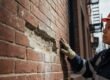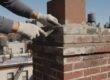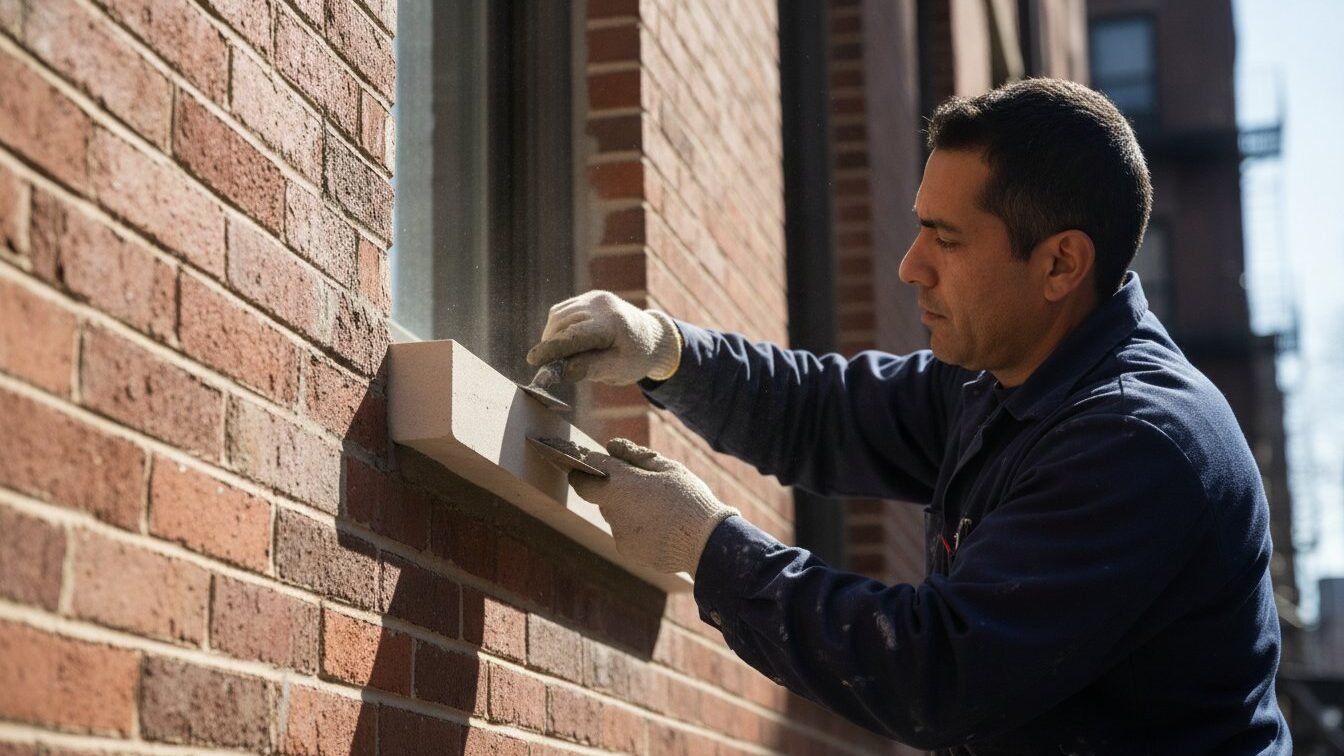
In the vertical landscape of New York City, a cracked window sill is more than a cosmetic blemish; it’s a structural vulnerability that invites water to rot your building from the inside out. You likely already know that ignoring a weathered ledge often leads to peeling interior paint or, worse, a dreaded facade violation from the Department of Buildings. It’s a stressful position to be in, especially when you’re trying to balance property protection with a realistic maintenance budget. We understand that you need a solution built for resilience, ensuring your investment remains secure against the city’s harsh freeze-thaw cycles.
This guide provides an expert breakdown of the window sill replacement cost NYC property owners should anticipate in 2026, alongside the material choices that best withstand our local climate. We’ll explore the practical differences between natural stone and precast concrete while explaining how labor factors and updated scaffolding regulations impact your project. By the end, you’ll have the clarity needed to choose the right masonry partner and secure your building’s exterior for the long term.
Key Takeaways
- Understand the specific variables that influence a window sill replacement cost NYC estimate for 2026, including material selection and specialized labor rates.
- Compare the structural benefits of traditional limestone and bluestone against the durability and cost-effectiveness of modern precast concrete alternatives.
- Learn how NYC’s updated 2026 scaffolding regulations and DOB permit requirements can impact your project timeline and overall maintenance budget.
- Identify the critical warning signs of sill failure, such as spalling or deep cracks, before they lead to costly interior water damage or facade violations.
- Discover why professional masonry integration is essential for ensuring your new window sills provide a reliable, weather-resistant seal for your building’s exterior.
Understanding NYC Window Sill Replacement Costs in 2026
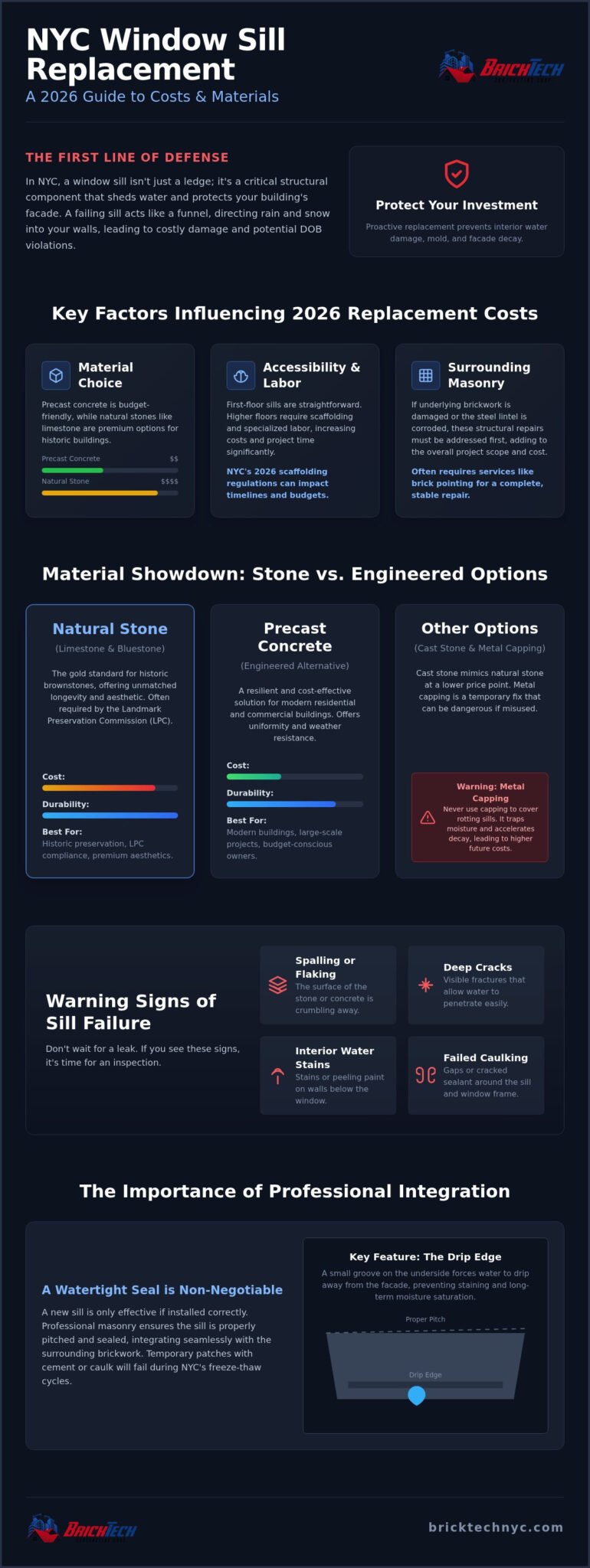
A window sill is a building’s first line of defense against moisture. In New York City, where rain and snow batter facades year-round, these components act as structural water-shedding tools rather than simple decorative ledges. Before calculating a window sill replacement cost NYC estimate, it’s helpful to understand the basics of What is a Window Sill? and why it’s a critical masonry repair. When a sill fails, it stops being a shield and becomes a funnel, directing water straight into your wall cavity.
Many property owners attempt to “patch” cracked sills with standard cement or waterproof caulking. This is almost always a temporary fix that fails within a single winter. Cement doesn’t bond permanently with older stone or masonry, leading to separation during New York’s aggressive freeze-thaw cycles. Residential brownstones often require specific natural stone replacements to maintain historical integrity and neighborhood compliance. Conversely, commercial structures may prioritize the uniformity and cost-efficiency of precast concrete, though both require expert installation to ensure a watertight seal.
Key Factors Influencing Your Replacement Estimate
The total investment for your project depends heavily on material choice. Precast concrete offers a durable, budget-friendly option for modern buildings, while premium natural stones like limestone or bluestone are necessary for historic restoration. Accessibility also plays a major role in pricing. Replacing a sill on the first floor is a straightforward task, but working on the fourth floor or higher requires specialized equipment or scaffolding, which increases labor time and logistical complexity. Finally, we must assess the surrounding masonry. If the underlying brickwork or the steel lintel above the window is corroded, these structural issues must be addressed to ensure the new sill remains stable.
The True Cost of Neglect
Proactive maintenance is always more affordable than emergency restoration. Addressing a failing sill early can prevent thousands of dollars in interior water damage, including mold remediation and drywall replacement. Failing sills are often a precursor to broader masonry issues, making it wise to inspect your building for necessary brick pointing NYC services at the same time. A drip edge is a specialized groove carved into the underside of the sill that forces rainwater to fall directly to the ground, preventing it from saturating the facade and causing unsightly staining. Without this small but vital feature, even a new sill won’t fully protect your building’s exterior from long-term moisture penetration.
Stone, Precast, and Brick: Material Impact on Pricing
Material selection dictates both the immediate budget and the long-term durability of your building’s exterior. For historic NYC brownstones, limestone and bluestone remain the gold standard. These natural stones provide a timeless aesthetic and are often mandatory for properties under the jurisdiction of the Landmark Preservation Commission (LPC). While they offer unmatched longevity, they also come with longer lead times for custom fabrication at specialized tri-state stone yards. Choosing these materials ensures your building maintains its architectural integrity while providing a robust shield against the elements.
Precast concrete sills serve as a resilient, cost-effective alternative for modern residential and commercial properties. They are engineered to withstand the city’s intense weather patterns and offer a uniform, clean appearance. Cast stone sits in the middle of the spectrum, utilizing a refined concrete mix to mimic the texture of natural stone without the premium price tag. For property owners looking for a quick visual fix, metal sill wraps or capping can provide a temporary aesthetic boost. However, capping should never be used to cover structural decay. If the masonry beneath is spalling, a metal wrap only traps moisture and accelerates the rot, leading to a much higher window sill replacement cost NYC in the future.
Natural Stone vs. Engineered Alternatives
Natural stone is exceptionally durable but requires precision cutting to fit historic window openings perfectly. Engineered options like precast concrete are often easier to source and install, making them a popular choice for large-scale apartment buildings. When matching existing masonry for LPC compliance, natural stone is usually the only acceptable path. We recommend scheduling these projects well in advance because the specialized nature of custom stone fabrication in the New York area can impact your project timeline.
Which Material Offers the Best ROI?
Choosing high-quality materials significantly impacts your overall facade restoration cost NYC by extending the interval between major repairs. A properly installed limestone sill can easily last over 50 years with minimal maintenance. While precast options are durable, they may require more frequent sealing to prevent moisture absorption over the decades. Investing in superior materials now reduces the likelihood of future leaks and structural failures. If you’re unsure which material suits your building’s specific architecture, a professional facade inspection can help determine the most durable and compliant path forward for your property.
Labor, Scaffolding, and Permitting: The NYC Factor
NYC labor rates are consistently higher than the national average because of the specialized skills and high operational costs involved in urban masonry. When calculating a window sill replacement cost NYC, property owners must account for the high insurance premiums and regulatory compliance fees that legitimate contractors carry. This isn’t just about the physical labor; it’s about the expertise required to handle historic materials and the logistical hurdles of working in a dense environment. Hiring a cheap, uninsured crew often leads to DOB violations that cost far more than the initial savings.
The “Scaffolding Threshold” is a major cost driver for property owners. For buildings under 40 feet, a DOB permit for supported scaffolding is often not required, which can lower mobilization costs. However, taller structures must navigate the city’s “Get Sheds Down” initiative. As of 2026, sidewalk shed permits are restricted to 90-day durations to prevent long-term sidewalk congestion. These sheds must also meet new 12-foot height requirements and include LED lighting. Penalties for non-compliance are strict, starting at $10 per linear foot per month, making efficient project management essential to stay within budget.
Logistics and Site Access in the Five Boroughs
Narrow lot lines and shared property boundaries in Brooklyn or Manhattan often require formal neighbor access agreements before work can begin. If your building is a low-rise, a boom lift might offer a faster and more flexible solution than fixed pipe scaffolding. However, site access isn’t the only challenge. NYC has strict regulations regarding waste removal and the disposal of masonry debris. You can’t simply leave old stone or concrete on the curb; it must be hauled away by licensed carting services to avoid heavy fines and ensure site safety.
Compliance and Professional Certification
Ensuring your project meets modern building codes is a non-negotiable part of property ownership. Professional masonry teams integrate sill replacement into a broader facade safety strategy, often checking for issues like deteriorating parapet wall construction New York while the equipment is already on-site. This comprehensive approach ensures that every component of your building’s exterior is watertight and compliant with current DOB standards. By working with a certified expert, you protect your investment from the structural failures that occur when sills are improperly pitched or sealed.
Signs You Need Immediate Window Sill Replacement
A window sill often provides subtle warnings before a total failure occurs. Property owners should look for separation between the sill and the surrounding brickwork, as these gaps allow driving rain to bypass your building’s primary seal. Hairline fractures might seem minor, but in the dense environment of New York City, they quickly evolve into structural threats. Once a crack is deep enough to hold water, the integrity of the entire window opening is compromised. While evaluating the window sill replacement cost NYC residents often find that early detection saves them from the far higher expense of repairing rotted wall studs or damaged interior plaster.
Internal water stains are another definitive sign of trouble. If you notice peeling paint or damp spots directly beneath your window frame, the exterior sill has likely lost its ability to shed water. These leaks often start at the window ledge and migrate downward, hidden behind the drywall until significant mold or rot has set in. Identifying these issues early is the only way to prevent a localized masonry problem from becoming a building-wide maintenance crisis.
The Danger of Spalling Stone
Spalling occurs when the surface of the stone or concrete begins to flake and peel away in layers. This happens when water enters the pores of the material, freezes, and expands, eventually shattering the sill’s internal structure. In NYC, flaking stone is more than a cosmetic issue; it’s a significant liability. Falling debris from upper-floor sills poses a direct risk to pedestrians on the sidewalk below. Patching spalled stone with surface-level mortar often accelerates damage because it traps moisture behind the patch, leading to deeper structural rot during the next freeze.
Coordinating Sill Repair with Other Maintenance
Replacing a sill provides a perfect opportunity for a full facade health check. While the masonry team has access to the window, they should also inspect the lintels, which are the structural supports at the top of the window frame. Corroded steel lintels often cause the very cracks that destroy the sills below them. Combining sill work with the services of a professional waterproofing contractor NYC ensures that every joint and seam is properly sealed against the elements. If you suspect your sills are failing, you can request a facade inspection to catch these issues before they lead to costly DOB violations or interior damage.
Professional Masonry Solutions for NYC Exteriors
Brick Tech Contracting Corp has served as a reliable expert in the NYC masonry field since 1980. We understand that replacing a window sill isn’t just about aesthetics; it’s about restoring a building’s primary defense against the elements. Our team follows a methodical process that begins with precision on-site measurements to ensure the new component fits perfectly within the existing masonry opening. We then focus on the masonry bond, which is the critical physical and chemical connection between the new sill and the surrounding wall. This bond creates a seamless integration that prevents the water infiltration issues that often plague DIY or low-quality repairs. Without a professional bond, even the most expensive stone will eventually leak.
Historic accuracy is a priority for our work, particularly for pre-war properties in Brooklyn and Manhattan. We meticulously match the profiles, colors, and textures of original stone to satisfy both architectural standards and neighborhood character. Our approach views facade maintenance as a partnership with the property owner. We prioritize long-term results over quick fixes, using only high-grade materials that are resilient enough to withstand urban pollution and the city’s aggressive coastal climate. This meticulous attention to detail is what separates a professional restoration from a simple repair.
The Brick Tech Advantage
Schedule Your NYC Facade Consultation
We provide property owners with transparent and detailed estimates for their masonry needs. When evaluating a window sill replacement cost NYC project, we account for all variables to ensure there are no surprises during construction. Our expertise extends across the entire building exterior, from chimney repair to NYC sidewalk violation removal. A professional assessment is the best way to identify hidden vulnerabilities in your facade before they lead to costly emergencies. Taking action now protects your building’s structural integrity and ensures the safety of everyone on the sidewalk below.
Protect Your Property with Expert Masonry Restoration
Managing your building’s exterior requires a clear understanding of how small vulnerabilities can lead to significant structural issues. While determining the window sill replacement cost NYC is a necessary step for your 2026 maintenance budget, the ultimate goal is ensuring your facade remains watertight and compliant. Selecting the right materials, such as durable natural stone or resilient precast concrete, provides the first line of defense against our city’s aggressive freeze-thaw cycles. By prioritizing professional installation, you avoid the recurring failures associated with temporary patches and protect your interior from costly water damage.
Brick Tech Contracting Corp has served as a trusted guide for property owners across the five boroughs since 1980. Our team of NYC licensed and insured masonry experts specializes in historic facade restoration and precision structural maintenance. We are committed to providing the stability and meticulous craftsmanship your building deserves to stand the test of time. Don’t wait for a minor crack to become a major liability for your investment.
Get a Professional Window Sill Replacement Estimate from Brick Tech NYC and secure your building’s future today. We look forward to partnering with you to maintain the safety and beauty of your property.
Frequently Asked Questions
How much does it cost to replace a single window sill in NYC?
The total investment for a single sill depends on material selection, building height, and current labor rates. While material prices for precast or natural stone vary, the primary expenses in New York involve specialized masonry labor and site mobilization. Factors such as the need for scaffolding or boom lifts will also influence your final estimate. We recommend a professional on-site assessment to determine a precise window sill replacement cost NYC for your specific property.
Can I just use a metal cap over my existing cracked window sill?
Capping is a cosmetic solution that often masks deeper structural issues. While a metal wrap might hide a crack, it doesn’t stop moisture from penetrating the masonry beneath. In many cases, these caps trap water against the original stone, which accelerates rot and can lead to hidden mold growth inside your walls. For long-term protection and facade integrity, a full masonry replacement is the only reliable method to ensure a watertight seal.
Do I need a permit from the NYC DOB to replace my window sills?
A Department of Buildings (DOB) permit is generally required for exterior masonry work in New York City. However, a permit might not be necessary for supported scaffolding that remains under 40 feet in height. If your property is located within a historic district, you must also obtain approval from the Landmarks Preservation Commission (LPC). Working with an experienced contractor ensures that all filings are handled correctly to avoid costly stop-work orders or violations.
How long does the average window sill replacement project take?
A standard replacement for a single window sill typically requires about three to four hours of active masonry labor once the team has access. The total project timeline depends on the number of windows and the complexity of the setup, such as installing sidewalk sheds or pipe scaffolding. For custom-cut natural stone, you should also account for fabrication lead times at local stone yards before the physical installation can begin on your property.
What is the best material for a window sill in a historic NYC brownstone?
Natural stone, specifically limestone or bluestone, is the superior choice for historic brownstone restoration. These materials provide the durability needed to survive urban weather while maintaining the architectural character required by the LPC. Natural stone offers a lifespan that can exceed 50 years when properly installed and maintained. For modern buildings where historic matching isn’t a priority, precast concrete serves as a resilient and cost-effective alternative for property owners.
Why is water leaking through my window even after I caulked the edges?
Caulking only provides a surface-level seal and cannot compensate for a cracked sill or a failed masonry bond. If the sill itself has a hairline fracture or has pulled away from the surrounding brickwork, water will bypass the caulk and enter the wall cavity. Additionally, if the sill has lost its downward pitch, water will pool against the window frame rather than shedding away. A professional window sill replacement cost NYC evaluation can identify these underlying structural failures.
Will replacing my window sills improve my building’s energy efficiency?
Yes, new window sills play a vital role in maintaining your building’s thermal envelope. By eliminating cracks and gaps where air and moisture infiltrate, you reduce drafts and help stabilize interior temperatures. Properly integrated masonry sills ensure that the seal between your window frame and the facade is airtight. This prevents your heating and cooling systems from overworking, which can lead to noticeable improvements in your monthly energy bills over time.
What happens if I ignore a cracked window sill on a high-rise building?
Ignoring a cracked sill on a tall structure creates a serious safety hazard and significant financial liability. As water enters the cracks and freezes, pieces of the stone or concrete can break off and fall onto the sidewalk below. Beyond the risk to pedestrians, failing sills are a common cause of DOB facade violations and issues during FISP (Local Law 11) inspections. Addressing these problems early prevents localized damage from spreading into the building’s internal structural components.