A small crack in your building’s exterior isn’t just a cosmetic blemish; it’s a direct invitation for NYC’s harsh elements to begin dismantling your investment from the inside out. Most property owners in the five boroughs worry about the rising costs of maintenance and the stress of potential water damage after a heavy Nor’easter. It’s natural to hope that a few crumbling joints can wait another season, but delaying repointing brickwork often leads to far more expensive consequences than a simple repair.
I’ve seen how quickly a minor moisture issue can escalate into a structural nightmare or a costly violation under Local Law 51, which carries fines between $5,000 and $20,000 for delayed facade repairs. In this article, you’ll learn exactly how to identify early warning signs of mortar decay and why professional intervention is critical for protecting your property from deep-seated water damage. We’ll walk through a complete checklist for your facade, explain the specialized repointing process, and show you how proactive maintenance helps you stay ahead of the FISP Cycle 10 deadlines.
Key Takeaways
- Learn to spot visual cues of mortar failure like hollow joints and powdery surfaces before they lead to serious structural damage.
- Discover why matching mortar types is essential for NYC facades and how the wrong materials can cause permanent brick decay.
- Understand technical stages of professional repointing brickwork to ensure a weather-resistant seal that lasts for decades.
- Establish a simple annual inspection routine to catch moisture traps and vegetation issues before they require major restoration.
- See how proactive masonry care helps you avoid heavy fines while ensuring compliance with NYC’s evolving facade safety regulations.
Identifying the Warning Signs: Your Brick Repointing Checklist
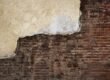
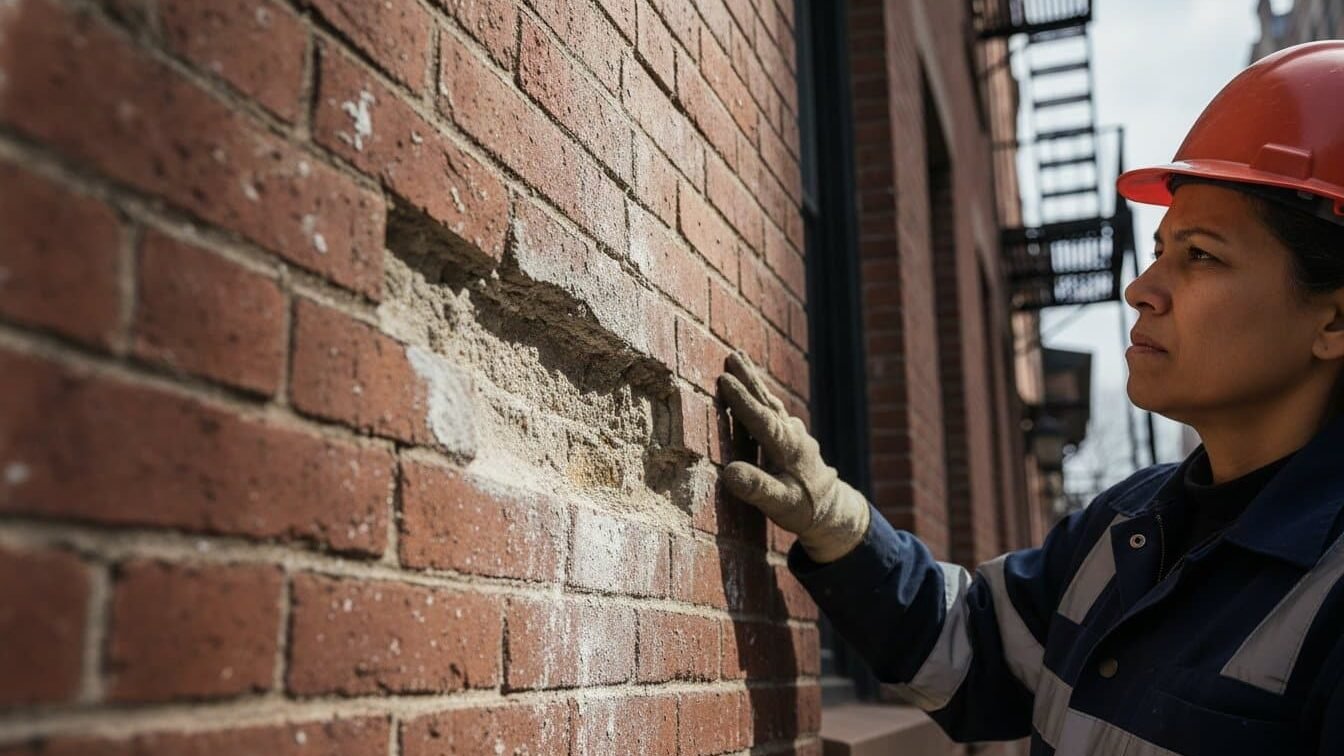
In the dense urban environment of New York City, your building’s facade is its first line of defense against a relentless cycle of driving rain and freezing temperatures. Understanding what is repointing helps property owners realize that mortar is designed to be the sacrificial element of the wall. It’s meant to wear down over time to protect the bricks themselves. When this protective layer fails, you’ll see visible gaps or “hollow” joints where the material has fallen out entirely. These openings act like funnels, directing water deep into the masonry core.
If you touch the joints and find crumbling mortar that turns to powder, the binder has likely washed away. You might also notice efflorescence, which appears as white, powdery salt deposits. It’s a direct signal that water is moving through the wall and carrying minerals to the surface. In NYC, the constant transition between freezing and thawing causes this trapped water to expand. This process widens fine cracks into “stair-stepping” patterns that run diagonally across your bricks. Ignoring these signs makes repointing brickwork a necessity rather than a cosmetic choice.
The “Penny Test” for Mortar Depth
A simple way to gauge the urgency of your repairs is the “penny test.” Take a standard coin and try to insert it into an eroded joint. If the mortar has receded more than 1/4 inch, the protective seal is compromised. You should document these erosion patterns across different building elevations. South-facing walls often show more UV damage; meanwhile, north-facing walls might exhibit more moisture-related decay. Tracking these specific areas helps you prioritize which sections of repointing brickwork require immediate attention during the next construction season.
Recognizing Spalling and Secondary Damage
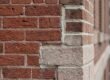
When mortar becomes too hard or fails to shed water, the bricks themselves begin to suffer. This leads to “spalling,” where the face of the brick flakes off or peels away. It’s a sign of significant structural stress. You should also check your interior walls for clues. Moisture stains on drywall or peeling paint often trace back to exterior joint failure. Corner bricks are particularly vulnerable because they bear the brunt of wind loads and thermal expansion. If you see cracks concentrated at the corners, the building’s structural integrity is likely at risk from water infiltration.
The Professional Repointing Process: A Step-by-Step Breakdown
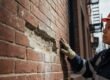
Executing a successful restoration requires more than just smearing mortar over old cracks. It is a methodical, technical process that demands patience and precision. Precision removal is the first critical phase. We carefully rake out old, decayed mortar to a uniform depth, typically between 1/2 and 1 inch. This depth is vital because it provides the necessary surface area for the new material to anchor itself. If a contractor merely skims the surface, the new mortar will eventually pop out under the pressure of a single NYC winter freeze. After raking, we thoroughly clean the joints with brushes or compressed air. Removing every trace of dust ensures a strong mechanical bond between the new mortar and the existing brick.
Before the first trowel of mortar touches the wall, we pre-wet the bricks. This step is often skipped by less experienced crews, but it’s essential for a lasting result. Because many NYC bricks are highly porous, they can quickly suck the moisture out of fresh mortar. This leads to poor curing and premature cracking. By dampening the masonry first, we ensure the mortar cures slowly and reaches its full designed strength. Our team at Brick Tech Contracting Corp follows these rigorous brick pointing standards to ensure your facade remains watertight for decades.
Raking and Preparation Techniques
The tools we choose depend entirely on the age and condition of your building. While power saws are fast, they are often dangerous for historic or soft bricks because they can easily nick the edges of the masonry. For many older properties, manual raking is the only way to protect the brick’s integrity. We focus on creating square-cut joints rather than V-shaped grooves. A square cut provides the maximum amount of flat surface for the new mortar to grip, which is essential when repointing brickwork on high-rise facades exposed to heavy wind loads.
The Art of the “Pack and Strike”
Following historic masonry repointing standards, we apply the new material in successive layers, or “lifts,” each about 1/4 inch thick. We wait for each layer to become thumb-print hard before applying the next. This methodical layering prevents the shrinkage and deep cracking that often plagues rushed projects. Once the final layer is in place, we “strike” the joint to create a specific profile. Whether you choose a concave, weather, or flush finish, the goal is always to shed water away from the wall. Managing these curing times is particularly challenging in NYC’s humid summers or freezing winters, requiring a seasoned expert to know exactly when the mortar is ready for the final finish.
If you aren’t sure about the current state of your joints, a professional assessment of your repointing brickwork can prevent minor erosion from turning into a major liability.
Mortar Science: Why Material Matching is Critical in NYC
Mortar isn’t just glue; it’s a carefully engineered sacrificial building material designed to protect your masonry. In New York City, where pre-war buildings dominate the skyline, understanding the chemistry of your walls is the difference between a 50-year repair and a structural disaster. Most historic NYC bricks are “soft-fired,” meaning they are more porous and delicate than modern, high-heat manufactured bricks. If a contractor uses a modern, high-strength Portland cement-based mortar on these older units, the results are often catastrophic.
Hard mortar doesn’t allow for the natural expansion and contraction of the wall. When the temperature drops, the rigid mortar refuses to budge, forcing the softer brick to take the brunt of the pressure. This leads to the bricks cracking or the faces popping off entirely. When we perform repointing brickwork, we ensure the mortar remains “softer” than the surrounding masonry. This ensures that any stress or moisture movement affects the replaceable mortar joints rather than the irreplaceable historic brick. Beyond structural health, color matching is a fine art. We use specific pigments to ensure the restoration looks seamless, avoiding the patchy, mismatched appearance that characterizes low-quality work.
Historic Brownstone and Brick Requirements
Historic brownstones and pre-war brick buildings require high breathability to manage NYC’s humidity. If moisture gets trapped behind a non-porous cement mortar, it will freeze and expand during a typical winter, causing deep spalling. This is why the NYC Landmarks Preservation Commission (LPC) maintains strict standards for mortar composition in designated districts. We focus on matching the original lime-to-sand ratios to maintain the building’s structural health. This specialized approach prevents the internal decay that occurs when a building “suffocates” under modern materials.
Testing and Custom Blending
We don’t guess when it comes to material matching. Professional restoration begins with a mortar analysis to identify the original ingredients used during the building’s construction. This includes evaluating the sand grain size, shape, and color, which are vital for both the final aesthetic and the mechanical bond. Type N mortar is a medium-strength blend of Portland cement, lime, and sand that is the most common choice for above-grade exterior walls in NYC because it balances durability with the flexibility needed for standard brickwork. By custom blending our mixes, we ensure the new repointing brickwork looks like it has always been there while providing a fresh layer of protection.

The Property Owner’s Maintenance Checklist: Timing and Prep
Check your drainage systems next. Misaligned gutters or clogged downspouts often dump hundreds of gallons of water directly onto a single section of masonry. This concentrated moisture accelerates the decay of even the highest quality mortar. If you notice damp patches that don’t dry within 24 hours after a storm, your drainage needs immediate adjustment. For the best results, schedule your masonry work during the “Goldilocks” seasons of late spring and early fall. These periods provide the moderate temperatures and humidity levels required for mortar to cure slowly and evenly without the risk of flash-drying or freezing.
Preventative Waterproofing
Once your mortar joints are sound, you might consider an additional layer of protection. Applying a breathable water repellent can significantly extend the life of your masonry. It’s vital to distinguish between sealing and waterproofing. A true sealant can trap moisture inside the brick, leading to internal rot. A breathable treatment allows water vapor to escape while blocking liquid water from entering. You can learn more about these specialized treatments in our guide on Masonry Waterproofing NYC: Protecting Brickwork. This step is particularly beneficial for buildings on street corners or those exposed to high winds.
Budgeting for Facade Care
When planning your budget, determine if your building needs spot pointing or a comprehensive overhaul. Spot pointing addresses specific areas of decay, while a full facade project ensures uniform protection across the entire structure. Regular maintenance is always more cost-effective than a total facade restoration NYC. Remember that larger projects involve more than just masonry. You’ll need to account for the logistics of scaffolding, Department of Transportation (DOT) permits for sidewalk sheds, and proper neighbor notifications. Taking these steps early ensures your project stays compliant with NYC’s building codes and avoids the heavy fines associated with Local Law 51. To ensure you’re working with qualified specialists, review our guide on vetting brick pointing contractors in New York City before committing to any restoration project.
If you’re ready to secure your building’s future, schedule a comprehensive facade assessment to identify exactly where your repointing brickwork needs the most attention.
Why Professional Masonry is Your Best Long-Term Investment
Safety and liability are equally critical in our dense urban environment. Managing heavy masonry work several stories above a busy sidewalk requires more than just a ladder. Professional contractors handle the complex logistics of scaffolding, sidewalk sheds, and Department of Transportation permits. They also carry the necessary insurance to protect you from liability if an accident occurs. Beyond physical safety, a professional restoration ensures your building remains compliant with strict NYC codes. With FISP Cycle 10 currently underway through February 21, 2030, proactive repointing is your best defense against “Unsafe” classifications and the thousands of dollars in monthly fines associated with non-compliance.
The Brick Tech Advantage
At Brick Tech Contracting Corp, we bring over 40 years of experience to every project. As a family-owned business established in 1980, we’ve spent decades mastering the unique architectural requirements of NYC’s historic brownstones and pre-war buildings. We understand that every structure has its own history and technical needs. Our team is committed to using historically accurate materials that respect the original craftsmanship of your property. We provide a comprehensive range of services, from specialized brick pointing NYC to sidewalk violation removal, ensuring your entire building envelope is secure and compliant. When evaluating your options, our 2026 selection guide for expert brick pointing contractors in New York City can help you understand exactly what credentials and standards to look for in a qualified masonry team.
Schedule Your Professional Inspection
The first step toward a secure facade is a thorough site assessment. During a Brick Tech evaluation, we don’t just look at the surface; we analyze the depth of erosion, the condition of the brick faces, and the integrity of your drainage systems. We then provide a detailed, transparent proposal that outlines exactly what your building needs to stay watertight and safe. You won’t find hidden fees or superficial fixes. Instead, you’ll get a clear roadmap for protecting your property for the next generation. Don’t wait for the next heavy rain to discover a leak. Contact Brick Tech for a Professional Masonry Evaluation today and secure the peace of mind that comes with expert craftsmanship.
Secure Your Building’s Future Today
Preserving a historic New York City building is a significant responsibility that requires a proactive approach. By identifying the early signs of mortar decay and respecting the technical requirements of material matching, you can prevent minor erosion from escalating into a structural crisis. Brickwork repointing services are more than a cosmetic fix; they’re a critical protective measure that ensures your property remains watertight and compliant with NYC’s strict facade regulations. Catching these issues early saves you from the stress of emergency repairs and the burden of expensive fines.
Brick Tech Contracting Corp has been family-owned since 1980. As A+ rated masonry specialists and NYC sidewalk and facade experts, we understand the specific environmental challenges your building faces every season. We prioritize durable craftsmanship and meticulous attention to detail to protect your long-term investment. Don’t wait for the next heavy rain to discover a problem that could’ve been prevented with a simple inspection.
Get a Free Brick Repointing Estimate from NYC Experts and take the first step toward a resilient, weather-resistant facade. We are ready to help you maintain the safety and integrity of your property for years to come.
Frequently Asked Questions
How often does brickwork need to be repointed in NYC?
Most buildings require professional attention every 30 to 50 years, though New York City’s intense freeze-thaw cycles often shorten this timeline. Properties located on street corners or those with high exposure to driving rain typically see faster mortar erosion. It’s best to perform a visual check every spring to identify early signs of decay before they require a full-scale restoration.
Can I use regular cement to repoint my old brick wall?
No, applying modern Portland cement to historic pre-war bricks is a frequent mistake that leads to permanent masonry damage. Modern cement is significantly harder and less porous than the lime-based mortars used in older NYC construction. This rigidity prevents the wall from expanding naturally, which forces the softer bricks to crack or flake off as moisture becomes trapped behind the hard mortar joints.
What is the difference between pointing, repointing, and tuckpointing?
Pointing is the initial process of finishing mortar joints during new construction. Repointing brickwork is the restorative process of raking out old, decayed mortar and replacing it with fresh material to stop water leaks. Tuckpointing is a specialized cosmetic technique where contractors use two different mortar colors to create the visual illusion of perfectly straight, thin joints on older masonry.
Is repointing a brick wall a structural repair?
Yes, repointing is a vital structural maintenance task that preserves the stability of the entire masonry wythe. While it may look like a surface-level fix, failing joints allow water to penetrate the building’s core and rot the internal structure. If you don’t address crumbling mortar, the bricks will eventually shift and lose their load-bearing capacity, leading to dangerous and expensive structural failures.
How much does repointing brickwork cost per square foot?
The total investment for a project depends on several factors, including the height of the building, the type of mortar required, and the complexity of the joint profiles. NYC projects also involve logistics like scaffolding and Department of Transportation permits for sidewalk protection. Because every property presents unique challenges, a professional site assessment is the only way to get a transparent and accurate estimate for your building.
What happens if I ignore crumbling mortar joints?
Ignoring decayed mortar leads to deep water infiltration, interior mold growth, and eventually, the total failure of the brickwork. In NYC, failing joints can also trigger Local Law 51 violations, which carry fines between $5,000 and $20,000 for building owners who fail to complete repairs after a sidewalk shed is installed. Delaying the work only increases the risk of unsafe conditions and higher restoration costs.
Does repointing brickwork stop damp and water leaks?
Yes, professional repointing is the most effective method for stopping exterior water penetration through the masonry. By replacing porous or cracked mortar with a fresh, weather-resistant seal, you eliminate the primary paths that rain and melting snow use to enter your walls. This process keeps your interior drywall dry and protects your building’s structural integrity from the damaging effects of moisture.