Could a simple misunderstanding of the term “roofing cop” be the reason your NYC building is failing its annual safety inspection? It’s common to feel a bit of anxiety when faced with complex industry jargon, especially when New York’s harsh freeze-thaw cycles start testing the limits of your roof edge. Whether you’re dealing with active water leaks or trying to navigate the latest compliance mandates, the terminology shouldn’t be the thing standing between you and a secure, resilient property.
You likely already know that keeping your building watertight is a constant battle against the elements. This guide will help you master the dual meaning of the roofing cop, from the physical masonry caps that shield your parapet walls to the technical codes of practice that govern their installation. We’ll explore the current standards under the 2022 NYC Construction Codes, the critical requirements of Local Law 126, and the clear warning signs that your building’s defenses need a professional upgrade to ensure long-term stability and safety.
Key Takeaways
- Distinguish between physical parapet coping and the industry roofing cop or Code of Practice to communicate effectively with your masonry team.
- Compare the durability of metal and stone materials to select the most resilient, weather-resistant barrier for your building’s roof edge.
- Review the latest 2022 NYC Construction Codes and Local Law 126 mandates to ensure your property remains compliant and safe.
- Spot the early warning signs of coping deterioration, such as improper sloping or masonry cracks, to prevent costly water infiltration.
- Discover why expert installation is the foundation of long-term parapet protection and structural integrity in New York’s harsh climate.
What is a Roofing Cop? Defining the Terminology
For many NYC property owners, the term roofing cop can be a source of confusion. It often surfaces during a building inspection or when reviewing a masonry repair estimate. The phrase actually carries a dual meaning that’s essential for maintaining a watertight building envelope. On one hand, it refers to the physical “coping” or cap that sits atop a wall. On the other, it represents the “Code of Practice” (COP), which is the set of industry standards and regulations that ensure that physical cap is installed correctly. Understanding both is the first step toward protecting your investment from the city’s unpredictable weather.
Roof Coping: The Physical Protective Layer
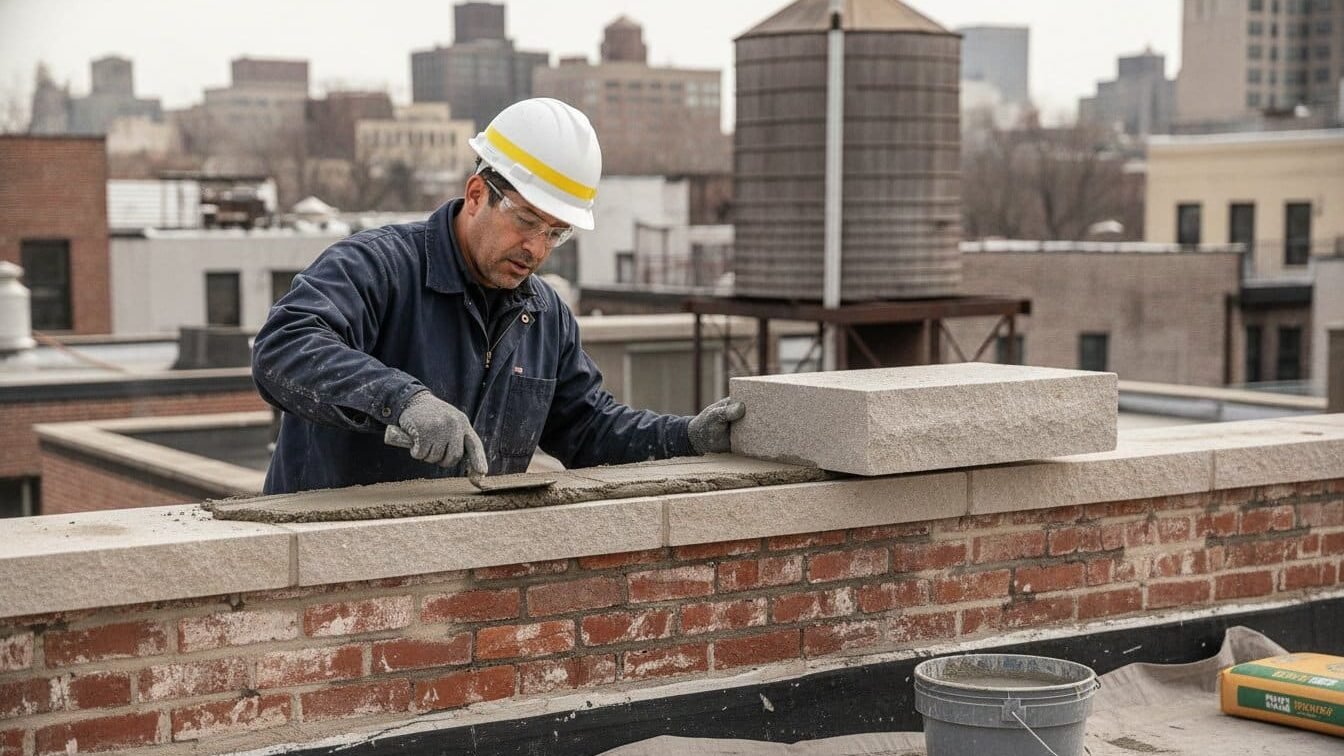
Think of roof coping as the “hat” for your building’s parapet wall. It is the final layer of defense that prevents rain, snow, and ice from penetrating the masonry core. As defined in Coping (architecture), this protective covering is typically sloped to shed water back onto the roof surface or away from the facade. Without this barrier, water would seep into the brickwork, leading to freeze-thaw damage and structural instability. A properly installed coping works in tandem with the roof membrane and flashing to create a continuous, waterproof seal at the building’s highest points.
In the context of NYC masonry, this layer is often made of stone, precast concrete, or metal. Its primary job is simple: keep the interior of the wall dry. When coping fails, the damage is rarely limited to the roof edge. Moisture travels downward, causing bricks to crack and mortar to crumble. This often leads to the need for extensive facade restoration or specialized waterproofing services to stop the spread of decay.
Roofing COP: The Industry Code of Practice
The second meaning of roofing cop is the Code of Practice. This isn’t a single book, but rather a collection of established professional standards. In New York City, this includes the 2022 NYC Construction Codes and manufacturer specific installation requirements. Following a strict Code of Practice ensures that the materials used are noncombustible and that the installation can withstand high wind loads and urban pollutants.
At Brick Tech Contracting Corp, we align our masonry work with these rigorous standards to prevent premature failure. When a contractor follows the COP, they aren’t just “fixing a wall”; they’re adhering to a proven blueprint for longevity and safety that meets modern legal requirements. A key principle of the COP is proper water management through pitch. The code requires that coping stones or metal caps are sloped to direct water onto the roof rather than allowing it to run down the face of the building. This prevents staining and erosion of the facade. Knowing the difference between the material and the mandate helps property owners:
- Communicate clearly with contractors during the bidding process.
- Verify that repairs meet the 2022 New York City Construction Codes.
- Identify whether a leak is caused by a material failure or poor installation technique.
- Ensure the building remains compliant with safety standards to avoid heavy fines.
Adhering to these standards is particularly important under Local Law 126, which mandates annual parapet observations for buildings fronting a public right-of-way. Using a contractor who understands the technical nuances of the Code of Practice is the best way to ensure your building remains secure and compliant for years to come.
Essential Materials for Durable Roof Coping in NYC
NYC buildings face a unique set of environmental stressors. The combination of salt-heavy air and the relentless freeze-thaw cycles of a local winter means your choice of material for a roofing cop determines how often you’ll face repair bills. Under the 2022 NYC Construction Codes, these materials must be noncombustible and weatherproof. Selecting the right one isn’t just about aesthetics; it’s about the long-term structural survival of the parapet wall and the protection of the masonry beneath it.
Metal Coping: Aluminum, Copper, and Steel
Metal is a staple in modern NYC construction. Kynar-coated aluminum is a frequent choice because it resists the corrosive effects of urban pollution and acid rain. It’s lightweight and relatively easy to install. However, metal has a high rate of thermal expansion. In a city where temperatures swing from zero to 100 degrees, these joints can pull apart if not installed with professional precision. Copper remains the gold standard for historic restorations in neighborhoods like Brooklyn Heights. While the upfront investment is higher, its lifespan can exceed a century, developing a protective patina that naturally guards against the elements.
Stone and Concrete Coping: Traditional Protection
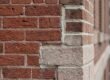
Traditional stone coping, such as bluestone or limestone, provides the classic look found on many pre-war buildings. These materials are incredibly durable but are naturally porous. Over time, NYC’s soot and moisture can penetrate the stone, leading to spalling or internal masonry rot. Maintenance for these porous stones typically involves periodic sealing and checking the mortar joints for signs of erosion. When the mortar between stone sections fails, water finds a direct path into the heart of the wall. Pre-cast concrete offers a similar aesthetic at a lower price point and can be manufactured with waterproofing additives to increase its resilience. Regardless of the material, keeping up with NYC’s Parapet Inspection Requirements is vital to ensure these heavy units haven’t shifted or cracked over time.
Terra Cotta and Clay Coping
Terra cotta and clay coping are iconic features of the city’s older architectural landscape. These glazed tiles are excellent at shedding water, but they are brittle. Finding matching replacements for damaged historic terra cotta is a specialized task that requires an expert eye. Many owners now opt for modern alternatives like Glass Fiber Reinforced Concrete (GFRC) that mimic the traditional look while offering superior impact resistance. To ensure your roofing cop material is compatible with your building’s existing facade, a professional assessment for parapet wall construction can save you from future leaks and structural damage.
The Roofing Code of Practice (COP): Standards for Installation
Adhering to a strict roofing cop, or Code of Practice, is what separates a temporary patch from a long-term structural solution. In the high-stakes environment of New York City, where wind speeds and temperature fluctuations are extreme, “good enough” installation leads to rapid deterioration. A successful coping installation follows a technical blueprint that prioritizes water management and structural stability above all else. This process involves precise geometry, specialized hardware, and high-performance sealants that work together to keep your parapet wall bone-dry.
Proper Drainage and Water Shedding
The most critical principle of the Code of Practice is the pitch. Every piece of coping must be sloped toward the roof surface rather than the street. Directing water inward protects the building’s facade from unsightly staining and prevents the erosion of mortar joints. According to NRCA roofing standards, a properly designed system also includes a “drip edge.” This is a small projection that extends past the wall’s edge, ensuring that any runoff falls clear of the masonry. Without this slope and edge, water can “pond” on top of the parapet, eventually finding its way through the smallest pinholes in the joints.
Structural Attachment and Wind Resistance
NYC’s skyline is a wind tunnel, making structural attachment a primary safety concern. For metal systems, the Code of Practice dictates the use of continuous cleats or clips. These hidden fasteners secure the metal without creating penetrations that could leak. They allow the material to expand and contract during summer heatwaves without buckling or pulling away from the wall. If coping is loose, it becomes a projectile risk during a storm. Professional installation also requires a minimum overlap at the joints, typically three to four inches, combined with high-quality, non-hardening sealants. These overlaps ensure a continuous waterproof seal that remains flexible enough to handle the building’s natural movements.
Compliance with NYC Building Regulations
Properly executed coping is a fundamental component of modern NYC building compliance. Because the parapet is the most exposed part of your building, it’s often the first area scrutinized during a Local Law 11 (FISP) inspection. Neglecting these standards doesn’t just lead to leaks; it can result in costly violations and unsafe building designations. When we perform parapet wall construction New York projects, we ensure every stone and metal cap meets the 2022 NYC Construction Codes. Following this roofing cop approach protects pedestrians on the sidewalk below and preserves the structural integrity of your investment for decades.

Identifying Common Issues with Parapet Coping
Detecting a failing roofing cop early is the difference between a minor maintenance task and a structural emergency. Because the parapet is the most exposed part of your building, it bears the brunt of New York’s acid rain and heavy snow. While the physical coping is designed to shed water, even the highest quality materials eventually succumb to the city’s harsh environment. Property owners who know what to look for can address minor joint failures before they evolve into deep-seated masonry rot.
Visual Red Flags for Homeowners
You don’t always need to climb a ladder to see that something is wrong. From the street, look for “efflorescence,” which appears as white, powdery salt stains on the upper sections of your facade. These stains are a clear signal that water is penetrating the wall, dissolving minerals in the mortar, and carrying them to the surface as it evaporates. If you have access to the roof, inspect the coping joints. Cracked or missing sealant is a common entry point for moisture. For metal systems, check for rust or panels that appear to have lifted. For stone coping, look for hairline fractures or pieces that have shifted out of alignment. Any gap in this protective “hat” allows water to bypass your building’s primary defenses.
The Consequences of Neglect
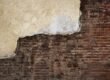
When water finds a way under the coping, it doesn’t just sit there. In the winter, that moisture freezes and expands, a process that physically pushes bricks apart. This leads to spalling, where the face of the brick pops off, leaving the soft interior exposed to further decay. This is why coping failure is the leading cause of the need for brick pointing NYC services. Once the mortar joints are compromised, the structural stability of the entire wall is at risk.
If you have noticed white staining or cracked joints along your roofline, it is time for a professional assessment. Our team can help you identify the source of the leak before it causes lasting structural damage. Contact Brick Tech Contracting Corp to schedule a comprehensive inspection of your building’s parapet defenses.
Choosing an NYC Contractor for COP-Compliant Services
Selecting the right partner for your building’s exterior is as critical as the materials you choose. In New York City, where the 2022 Construction Codes are strict and environmental conditions are punishing, you need a contractor who looks beyond the surface. Ensuring your property follows a strict roofing cop, or Code of Practice, requires a blend of technical precision and local experience. A mistake at the roof edge doesn’t just stay there; it travels down your facade and into your budget.
Why Masonry Expertise Matters
The parapet wall is the unique point where roofing and masonry intersect. While a general roofer might be an expert at laying down a flat membrane, they often lack the specialized masonry knowledge required to secure heavy stone coping or reconstruct a crumbling brick wall. Parapet walls are structural masonry elements, not just extensions of the roof deck. They require an understanding of load-bearing limits, mortar compatibility, and how different materials react to New York’s temperature swings.
Brick Tech Contracting Corp has been a family-owned fixture in the five boroughs since 1980. With over 40 years of experience, we’ve seen how poorly executed coping leads to structural failure. Our team understands the nuances of historic brickwork and modern waterproofing alike. We don’t just “cap” a wall; we ensure the entire system is integrated to prevent moisture from ever reaching the masonry core. This specialized focus is what keeps your building compliant with Local Law 126 and FISP requirements.
What to Expect During a Professional Consultation
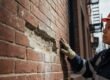
A professional assessment should be transparent and thorough. We begin by examining the physical condition of your coping stones or metal caps, looking for the red flags mentioned earlier, such as cracked joints or improper pitch. Our process involves checking the structural stability of the parapet itself to ensure it can support new materials. We provide clear, durable solutions that prioritize the safety of your building and the pedestrians on the sidewalk below. You’ll receive a detailed plan that aligns with the current roofing cop standards, ensuring your investment is protected for the long haul.
High-quality installation offers a superior return on investment by extending the life of your facade and preventing the need for emergency repairs. When you work with a licensed and insured expert, you’re buying peace of mind. Don’t wait for a ceiling leak or a building violation to take action. Contact Brick Tech for a Parapet Inspection today to ensure your building remains a secure, watertight asset in the heart of NYC.
Securing Your Building’s Future with Professional Parapet Care
Mastering the technical nuances of the roofing cop is the first step toward a more resilient property. You’ve learned that durable materials like metal or stone are only as effective as the Code of Practice followed during their installation. By identifying visual red flags like efflorescence or failing joint sealants early, you can prevent minor maintenance from turning into a major structural overhaul. Staying ahead of these issues doesn’t just protect your masonry; it ensures you remain on the right side of NYC’s strict safety mandates.
Brick Tech Contracting Corp has been family-owned and operated since 1980. We’ve spent decades serving as NYC masonry and facade restoration specialists, helping property owners navigate the complexities of building compliance and Local Law 11. Our team brings the seasoned expertise needed to ensure your parapet walls are both watertight and legally secure. We view every project as a partnership aimed at the long-term health of your investment.
Protect your building with expert NYC parapet services from Brick Tech. Taking proactive steps today ensures your property remains a safe, stable, and compliant asset for years to come.
Frequently Asked Questions
What is the primary purpose of a roofing cop?
The primary purpose of a roofing cop is to provide a waterproof seal for the top of a parapet wall. It acts as a protective shield that prevents rain, snow, and ice from entering the masonry core. By directing water back onto the roof surface or away from the building facade, it stops structural decay and prevents freeze-thaw damage in the brickwork below.
How often should I have my parapet coping inspected in NYC?
You must have your parapet coping inspected at least once a year if your building fronts a public right-of-way. This is a legal requirement under Local Law 126 of 2021, which applies to buildings of all heights except for detached one- and two-family homes. These annual observations ensure that any loose stones or failing joints are identified before they become safety hazards for pedestrians.
Can I replace my own roof coping?
No, you shouldn’t attempt to replace roof coping yourself because of the high technical and safety risks involved. Proper installation requires specialized masonry expertise to ensure the correct pitch for drainage and secure attachment against high NYC wind loads. Working at the roof edge is also extremely dangerous without professional safety gear and the proper insurance coverage required for NYC construction.
How much does it cost to install new roof coping in New York?
The cost to install new roof coping depends on several factors, including the material you choose and the total linear footage of your parapet wall. Building height, site accessibility, and the condition of the underlying masonry also play a role in determining the project’s scope. It’s best to schedule an on-site evaluation to get an accurate estimate that reflects your building’s specific architectural requirements.
What is the difference between coping and flashing?
Coping is the rigid cap that sits on the very top of the parapet wall, while flashing is the flexible material used to seal the transition where the roof membrane meets the wall. Both are essential parts of a roofing cop system. Coping provides the primary overhead defense, while flashing acts as a secondary barrier that prevents water from seeping behind the roofing material at the wall’s base.
Does a failing roofing cop cause sidewalk violations?
Yes, a failing roofing cop can definitely lead to sidewalk violations and Department of Buildings fines. If coping stones are loose, cracked, or shifting, they pose a significant falling debris risk to the public. Under current city mandates, any unsafe condition found during an inspection must be reported immediately, often requiring the installation of a sidewalk shed until repairs are professionally completed.
How long does metal roof coping typically last?
Metal roof coping usually lasts between 20 and 50 years, though this depends on the specific metal used and the building’s exposure to urban pollutants. Kynar-coated aluminum is built for high durability in NYC’s climate, while premium materials like copper can last over 100 years. The key to longevity is maintaining the sealant at the joints, which often needs attention long before the metal itself fails.
Is stone coping better than metal for historic buildings?
Stone coping is often the better choice for historic buildings because it preserves the architectural authenticity and aesthetic value of the original facade. Materials like limestone or bluestone are traditional in NYC and offer incredible durability. While stone is more porous than metal and requires careful monitoring of mortar joints, it provides a timeless look that metal systems can’t always replicate.