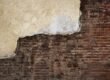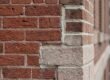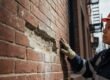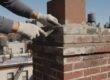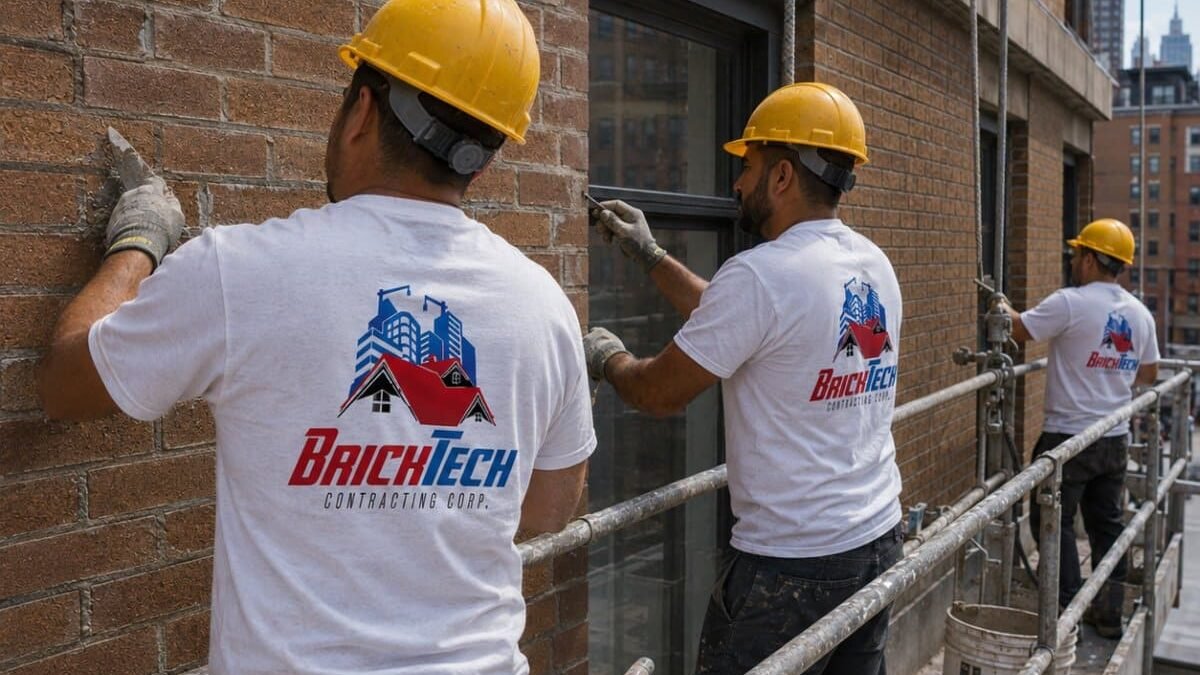
What if that hairline crack in your facade isn’t just a sign of age, but the first warning of a major structural failure? For many property owners, the sight of crumbling mortar brings a wave of anxiety about leaks, building code violations, and the potential for high repair costs. You likely understand that your building is your most significant investment, yet the technical details of brick pointing NYC can feel overwhelming. It’s common to worry about the difference between a simple cosmetic fix and a necessary structural intervention, especially with the city’s strict enforcement and the Atlantic’s harsh freeze-thaw cycles constantly testing your masonry.
This guide will help you master the essentials of brick pointing NYC, from identifying the earliest signs of masonry decay to choosing the right restoration techniques for New York’s unique architecture. You’ll gain a clear understanding of the repointing process and how it transforms a vulnerable exterior into a waterproof, structurally sound asset that enhances your property value. We will preview the latest regulatory updates, including the Local Law 51 penalties effective in 2026 and the FISP Cycle 10D deadlines, so you can maintain compliance while protecting your building for the long term.
Key Takeaways
- Understand the sacrificial role of mortar and how it protects your building’s more expensive masonry units from irreversible damage.
- Learn why professional brick pointing NYC requires meticulous joint preparation rather than quick “smear” jobs to ensure a weather-tight seal.
- Identify critical red flags like mortar recessed beyond 1/4 inch or brick spalling that signal the need for immediate intervention.
- Discover how NYC-specific logistics, including scaffolding permits and building height, impact the scope and execution of your restoration project.
- Gain insight into how expert facade restoration preserves structural integrity while keeping your property in line with evolving city standards.
What is Brick Pointing and Why Does Your NYC Building Need It?
Masonry wall restoration in NYC is the professional process of renewing the external portion of mortar joints in a masonry wall. It’s a critical maintenance step that protects the structural integrity of your building. Understanding What is repointing is vital because mortar serves a sacrificial role. It’s engineered to be softer than the surrounding masonry, meaning it absorbs the brunt of environmental stress so your expensive brick units don’t have to. When mortar begins to crumble, that protection disappears. This leaves your entire facade vulnerable to the elements and eventual decay.
The Difference Between Pointing, Repointing, and Tuckpointing
While the terms are often used loosely, they mean different things in the trade. Pointing refers to the initial finishing of joints during new construction. Repointing is the specialized repair work needed when old mortar fails. Tuckpointing is an aesthetic technique that uses contrasting mortar colors to mimic the look of thin, perfect joints. NYC property owners usually need repointing to address wear and tear, though some historic restorations may call for the decorative finish of tuckpointing to match original 19th-century designs. Understanding these distinctions ensures you get the specific service your building requires.
NYC Environmental Factors Affecting Your Masonry
Our local climate presents a constant challenge to masonry. The North Atlantic freeze-thaw cycle is the biggest culprit. When water enters a compromised joint and freezes, it expands with enough force to crack the surrounding mortar. In coastal neighborhoods like Queens or South Brooklyn, salt air further degrades the mortar’s chemical bond. This creates a “wicking” effect, where moisture is pulled through damaged joints into the building’s interior. Over time, this cycle leads to pervasive dampness, mold growth, and the eventual flaking of the brick faces themselves. Urban pollution also adds an acidic layer that slowly eats away at the lime or cement in your joints.
The Professional NYC Brick Pointing Process
Executing a proper brick pointing NYC project requires more than just filling gaps. It demands a methodical approach that respects the building’s history and the city’s unique environment. Many cut-rate contractors attempt “smear” jobs, where new mortar is simply wiped over the old. This never lasts. It fails to bond and traps moisture, which accelerates decay. A professional restoration involves specialized equipment like suspended scaffolding or boom lifts, depending on the building’s height and street-level accessibility. Because New York is a high-density environment, dust mitigation is non-negotiable. We use vacuum-shrouded grinders and wet-cutting techniques to protect sidewalk pedestrians and maintain good neighbor relations while meeting safety standards.
Step 1: Joint Preparation and Grinding
Old mortar must be removed to a uniform depth, typically between 1/2 and 1 inch, to create a solid “key” for the new material. Using the wrong grinding wheels on historic NYC bricks can cause permanent scarring or “spalling,” where the hard outer face of the brick is destroyed. Following historic masonry repointing guidelines ensures that the removal process is precise and non-destructive. Once ground out, the joints are thoroughly cleaned with compressed air or water to remove all debris. This step ensures the new mortar bonds correctly to the masonry units.
Step 2: Mortar Selection and Application
The science of mortar is where most mistakes happen. We don’t use a “one size fits all” mix. Type N is standard for general exterior walls, but historic structures often require Type O, which is softer and more flexible. If the new mortar is harder than the old brick, the brick will crack during the freeze-thaw cycle. We meticulously match the color and texture of the original mortar to ensure a seamless facade restoration. The mortar is applied in thin layers, which prevents shrinkage and internal cracking as the material sets.
Step 3: Finishing and Curing
The final shape of the joint determines how well the wall sheds water. Concave or weathered joints are preferred for their superior weather resistance compared to flush joints. Striking is the final shaping of the mortar joint with a specialized tool to ensure a compact, water-tight finish. Proper curing is essential. The mortar needs time to reach its full strength before any power washing or waterproofing treatments are applied. This patience ensures the longevity of the brick restoration services involved in the brick pointing NYC work. A rushed job often leads to hairline cracks that allow moisture back into the wall within just a few seasons.
Signs Your Building Requires Immediate Repointing
Identifying decay early is the most effective way to avoid the intensive restoration processes we previously detailed. Start with a simple visual check for mortar erosion. If the joints are recessed more than 1/4 inch from the brick face, the protective barrier is failing. This depth allows water to pool on the brick edges, leading to spalling, which is when the brick face begins to flake or pop off. Following the National Park Service guide to repointing, you should also watch for biological growth. While ivy might look classic on a Brooklyn Brownstone, its roots act like wedges that force mortar joints apart and create direct paths for deep moisture penetration.
Don’t ignore the clues inside your property. Damp spots on drywall, peeling paint near window frames, or a persistent musty odor are often the first indicators that brick pointing NYC is overdue. These internal symptoms suggest that the building envelope is already compromised, allowing moisture to wick through the masonry and damage your interior finishes. Catching these red flags early prevents the need for more invasive facade restoration later. For a thorough assessment of your building’s condition, review this complete checklist of signs your NYC building needs repointing brickwork to ensure no warning sign goes undetected.
The Danger of Vertical and Stair-Step Cracking
Cracks in your masonry tell a specific story about your building’s health. Stair-step cracks, which follow the mortar lines in a zigzag pattern, often signal foundation settlement or the failure of a steel lintel above a window. Vertical cracks are even more concerning because they provide a direct path for driving rain to enter the wall core. While a standard repointing job can fix many surface issues, these deep fissures often require structural masonry reinforcement to stabilize the building before the new mortar is applied.
Efflorescence: The White Warning Sign
Efflorescence appears as powdery white salt deposits left behind on the brick surface after water evaporates. This isn’t just a cosmetic stain; it’s a clear symptom of active moisture movement through the wall. This occurs when water travels through damaged joints, dissolving mineral salts within the brick or mortar and pulling them to the surface. Following a successful repointing project, professional power washing is necessary to remove these salts and restore the original luster of your building’s facade.

Factors Influencing Brick Pointing Rates in New York
Calculating the investment for brick pointing NYC involves more than a simple square-foot estimate. Several logistical factors unique to the city’s urban environment dictate the final scope of work. Height is a primary driver; a project on a three-story rowhouse requires different access equipment than a high-rise. Scaffolding permits in New York are notoriously complex, requiring careful coordination with the Department of Buildings (DOB) to ensure sidewalk safety. Additionally, the condition of your existing mortar directly impacts labor hours. If previous “patch” jobs used inappropriate materials, removing them without damaging the brick requires more precision and time.
Project scale also plays a significant role. While spot pointing addresses localized failures, a full facade restoration provides a uniform, long-term seal that protects the entire structure. For property owners in historic districts, specialized techniques and lime-based mortars are required to meet Landmarks Preservation Commission (LPC) standards. These requirements ensure that the restoration respects the original craftsmanship while providing modern durability.
Regulatory Compliance: Local Law 11 and FISP
For buildings over six stories, compliance with the Facade Inspection & Safety Program (FISP) is a legal necessity. Proactive brick pointing NYC prevents your building from receiving an “Unsafe” or “Safe with a Repair and Maintenance Program” (SWARMP) rating during its next cycle. For example, buildings in FISP Cycle 10D must file their reports by February 21, 2026. Failing to address mortar issues before an inspection can be costly. Penalties for failing to correct SWARMP conditions reach $2,000 per month, while late filing fees start at $1,000 per month. Under the new Local Law 51, effective January 12, 2026, missing repair milestones can result in additional fines between $5,000 and $20,000.
The ROI of Preventative Masonry Maintenance
The return on investment for masonry care extends far beyond avoiding fines. Maintaining sound mortar joints prevents the catastrophic failure of structural elements like parapet walls, which are particularly vulnerable to wind and moisture. A sealed, airtight building envelope also improves energy efficiency, reducing heating and cooling costs by preventing air drafts and moisture-related heat loss. Finally, a well-maintained exterior significantly boosts property resale value. In the competitive New York real estate market, a pristine facade signals to potential buyers that the building has been cared for by a responsible owner. If you’re ready to secure your building’s future, contact Brick Tech for a professional evaluation.
Why Brick Tech Contracting Corp is the Leading NYC Brick Pointing Expert
Our commitment to excellence means we never cut corners on preparation or materials. Brick Tech Contracting Corp understands that New York’s building codes are some of the strictest in the world, and we maintain a deep focus on compliance to protect our clients from liability. We position ourselves as your dedicated guide through the complexities of urban property maintenance, offering a grounded and transparent approach to facade restoration. Every project we undertake is an investment in the longevity and resilience of the city’s unique architectural landscape, ensuring that your building remains a secure asset for decades to come.
Comprehensive Exterior Care Beyond Pointing
A truly protected building requires a holistic approach to maintenance that addresses every potential point of failure. While repointing secures the mortar joints, moisture can still find its way in through other vulnerable areas. Brick Tech Contracting Corp offers integrated waterproofing services and chimney repair to seal the building envelope completely. Our expertise also extends to parapet wall construction, ensuring that the highest points of your facade are structurally sound and safe for the public below. Beyond the walls themselves, we assist owners with NYC sidewalk violation removal, providing a single point of contact for exterior compliance and repair. This comprehensive care model ensures that your investment is protected from the roof to the ground.
Start Your NYC Building Restoration Today
The best time to address masonry issues is before the harsh winter weather arrives. Early intervention prevents small cracks from expanding into major structural failures during the next Atlantic freeze-thaw cycle. Brick Tech Contracting Corp provides a transparent quoting process that outlines exactly what is required for your specific building type, whether you own a historic brownstone or a modern apartment complex. Our consultations are grounded in technical precision and a deep respect for your property’s value. We’re ready to help you navigate the repair process with confidence and clarity. Protect your investment with professional brick pointing from Brick Tech Contracting Corp.
Protect Your Asset with Seasoned Masonry Expertise
Securing your building’s exterior is a high-stakes responsibility that requires a partner who understands the technical and regulatory demands of the city. We have walked through the mechanics of how mortar protects your masonry and the specific red flags that indicate your facade is at risk. By choosing professional brick pointing NYC, you are moving from reactive repairs to a strategy of long-term preservation. This proactive approach ensures that your building remains a weather-tight, structurally sound investment that can withstand the unique environmental pressures of the North Atlantic coast.
Since 1980, Brick Tech Contracting Corp has served as a reliable guide for property owners navigating the complexities of New York masonry. Our work spans expert facade restoration across all 5 boroughs, providing a steady hand for everything from historic brownstone repair to specialists in NYC sidewalk violation removal. We are committed to delivering results that stand the test of time, ensuring your investment remains protected against both the elements and the risk of costly city penalties. Don’t wait for the next freeze-thaw cycle to reveal hidden vulnerabilities in your building envelope.
Get a Professional Brick Pointing Estimate for Your NYC Property and partner with Brick Tech Contracting Corp for a resilient, durable exterior.
Frequently Asked Questions
How long does brick pointing typically last on an NYC building?
Professional brick pointing NYC typically lasts between 20 and 50 years, depending on the building’s exposure and the quality of the installation. South-facing walls or properties in coastal areas like Queens may require more frequent attention due to increased sun and salt exposure. Using high-quality, site-specific mortar mixes ensures the joints remain weather-tight and resilient for decades, protecting your structural investment.
Can I do brick pointing myself or do I need a licensed contractor?
You should always hire a licensed and insured contractor for masonry repairs in New York City. The Department of Buildings (DOB) requires specific permits for facade work, and unlicensed repairs can lead to heavy fines or stop-work orders. Professionals have the specialized equipment and technical skill to match mortar strength and color, preventing the long-term structural damage that DIY attempts often cause.
Does brick pointing stop water leaks in my basement?
Repointing is designed to stop water infiltration through the above-ground facade, but it isn’t a direct solution for basement flooding. If you have moisture in your basement, it usually indicates a need for specialized waterproofing services below grade. However, sound mortar joints prevent water from traveling down through the wall cavity, which significantly reduces the overall moisture load on your foundation.
What is the best time of year to schedule repointing in New York?
The ideal time for repointing is during the spring or fall when temperatures remain consistently between 40°F and 90°F. Mortar requires a stable environment to cure properly without freezing or drying too quickly in extreme heat. While work can proceed in summer or winter with specialized protection, these moderate seasons provide the best conditions for a durable, long-lasting bond.
Will repointing change the appearance of my historic Brownstone?
Professional repointing won’t change the character of your historic Brownstone if the contractor uses appropriate color-matching and joint profiles. Expert masons meticulously match the new mortar to the original texture and hue to ensure a seamless look. This process actually restores the building’s original beauty while providing the resilience needed to survive NYC’s harsh climate and freeze-thaw cycles.
How do I know if my building needs a full repoint or just spot pointing?
A full repoint is necessary when more than 15 to 20 percent of the mortar joints show signs of significant erosion, cracking, or vegetation growth. Spot pointing works for isolated damage, but widespread decay suggests the entire facade is reaching the end of its lifespan. A professional evaluation can determine which approach provides the most cost-effective protection for your specific property.
What happens if I ignore crumbling mortar joints?
Ignoring crumbling mortar leads to serious consequences, including structural shifting, interior water damage, and falling masonry hazards. Water entering the gaps will eventually rot the wall ties and cause the brick face to pull away from the building. In New York, neglected facades also lead to costly DOB violations and unsafe ratings during mandatory building inspections, risking the safety of pedestrians.
Are there specific NYC permits required for brick pointing projects?
Yes, most brick pointing NYC projects require a Department of Buildings permit, especially if scaffolding or sidewalk sheds are necessary for the work. If your property is in a designated historic district, you must also obtain approval from the Landmarks Preservation Commission (LPC). A qualified contractor handles these filings to ensure your project remains fully compliant with all local safety and zoning codes.