What if the most expensive part of owning a New York City property isn’t the mortgage, but the cost of ignoring a single Department of Buildings notice? With FISP Cycle 10 deadlines approaching and new annual parapet requirements in full effect, the margin for error has never been thinner. Managing NYC building compliance exterior repair often feels like a race against a clock you didn’t even know was ticking.
It’s exhausting to keep track of shifting DOB and DOT mandates while trying to maintain the structural integrity of your investment. You want to ensure pedestrian safety and avoid the heavy fines that come with non-compliance, but the bureaucracy can feel intentionally opaque. This guide provides a strategic roadmap for facade, parapet, and sidewalk maintenance. We’ll examine the specific filing windows for Sub-cycles 10A and 10B, the 75-day window for clearing sidewalk violations, and the expert steps required to keep your property safe and valuable in 2026. By addressing these requirements with meticulous care, you can secure your building’s longevity and protect your financial interests.
Key Takeaways
- Understand the specific filing windows for FISP Cycle 10 to avoid the substantial monthly penalties associated with late or missing reports.
- Learn about the mandatory annual parapet observations required for all buildings fronting a public right-of-way to ensure long-term stability.
- Discover the critical 75-day timeline for clearing DOT sidewalk violations to prevent city-imposed repairs and potential property liens.
- Develop a proactive strategy for NYC building compliance exterior repair by utilizing services like brick pointing and waterproofing to prevent future structural issues.
- Establish a reliable maintenance roadmap that protects your investment, ensures pedestrian safety, and maintains the market value of your property.
Navigating the NYC Building Compliance Landscape in 2026
Managing a property in New York requires more than just keeping the lights on; it demands a deep understanding of a complex regulatory web. The landscape of NYC building compliance exterior repair is governed primarily by two major agencies that hold property owners to rigorous safety standards. It’s a multi-agency framework where the rules are designed with one primary goal: protecting the public from falling debris and structural failures. This isn’t just about red tape. It’s about the physical safety of millions of pedestrians who walk beneath our city’s facades every day.
Property owners must balance three main regulatory pillars to stay in the city’s good graces. First is the Facade Inspection & Safety Program (FISP), formerly known as Local Law 11. Second is the newly mandated annual parapet observation. Third is the ongoing requirement for sidewalk maintenance. These aren’t just suggestions or minor administrative hurdles. Failure to meet these standards leads to “Unsafe” classifications, mounting civil penalties, and the immediate, costly requirement to install sidewalk sheds. These sheds are not only an eyesore but also a financial drain that can persist for years if the underlying issues aren’t resolved.
The Role of the Department of Buildings (DOB)
The New York City Department of Buildings serves as the primary enforcement body for facade safety. If your building stands taller than six stories, you’re under their direct supervision through FISP. The DOB enforces the strict NYC Administrative Code regarding masonry and structural integrity, ensuring that every brick, stone, and lintel remains secure. Today, all compliance filings, from initial inspection reports to violation removals, are managed through the digital “DOB NOW” portal. This system makes the process transparent but leaves no room for missing deadlines or vague reporting. As we move through 2026, the DOB’s focus on photographic documentation and hands-on inspections has only intensified.
Department of Transportation (DOT) and Sidewalk Safety
While the DOB looks up at your facade, the Department of Transportation looks down at your feet. Every property owner is legally responsible for the sidewalk abutting their property. DOT inspectors actively patrol all five boroughs for trip hazards, cracks, and improper slopes. A vertical misalignment of just half an inch is enough to trigger a violation. Removing these violations is a formal legal process that goes beyond simple patchwork. It requires hiring certified contractors who understand DOT specifications to ensure the work is done correctly. A proactive approach to NYC building compliance exterior repair is the only way to avoid the bureaucracy and high costs associated with the city’s enforcement arms.
Facade Restoration and FISP Cycle 10 Requirements
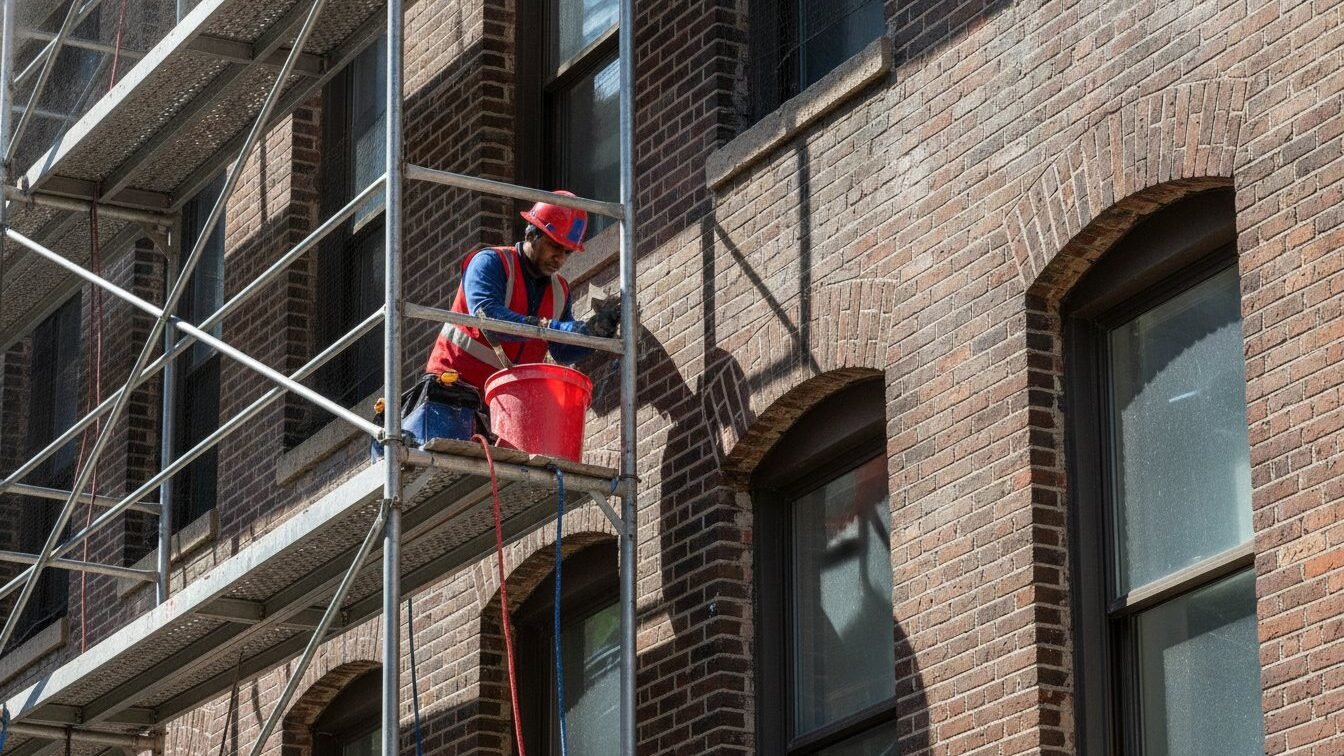
The Facade Inspection Safety Program (FISP) has entered a more rigorous era with Cycle 10. For property owners, 2026 represents a critical juncture in maintaining NYC building compliance exterior repair standards. The current sub-cycle, 10B, is now open for buildings with block numbers ending in 0, 7, or 8, with a filing window that runs from February 21, 2026, to February 21, 2028. If your property falls into this group, the time for a hands-on inspection by a Qualified Exterior Wall Inspector (QEWI) is now. These inspections are more detailed than in previous years, requiring physical contact with the facade at least every 60 feet and comprehensive photographic documentation of all conditions.
One of the most significant challenges for owners is managing “SWARMP” conditions from previous cycles. If you filed a report in Cycle 9 with items marked as “Safe With a Repair and Maintenance Program,” those repairs must be completed before you file your Cycle 10 report. Failure to correct these items results in an automatic “Unsafe” classification. This demotion carries a $2,000 civil penalty and forces the immediate installation of sidewalk protection. Transitioning from SWARMP to Safe requires more than just a quick patch; it demands a meticulous approach to structural restoration that satisfies the QEWI’s final sign-off.
Safe vs. SWARMP vs. Unsafe: Understanding Your Status
Your building’s classification dictates your financial and operational roadmap for the next five years. A “Safe” status is the ideal outcome, meaning no repairs are required until the next cycle. “SWARMP” indicates that while the building is currently stable, specific defects will become hazardous if not addressed within a set timeframe. An “Unsafe” status is a call to action. It means a condition poses an immediate threat to the public. In these cases, you must install a sidewalk shed immediately and begin repairs to remove the hazard within 90 days.
Common Facade Repairs for Compliance
Achieving compliance often involves specific masonry and structural interventions. Brick pointing is a primary defense, replacing weathered mortar to stop water from reaching the building’s core. We also see frequent needs for lintel and shelf angle replacement. When these steel components oxidize, they expand and “jack” the surrounding masonry, causing dangerous cracks. For historic properties, terra cotta and stone patch repairs are essential to preserve the aesthetic while ensuring the material doesn’t delaminate and fall. If you’re facing a deadline, scheduling professional facade restoration early ensures you avoid the $1,000 monthly late filing fees that the DOB strictly enforces.
Proactive maintenance is always more cost-effective than reactive violation removal. By addressing minor masonry issues during the SWARMP phase, you protect the building’s envelope and maintain its market value. Expert craftsmanship during these repairs ensures that the work lasts through multiple inspection cycles, providing long-term peace of mind for property managers and owners alike.
The Critical Role of Parapet Wall Construction and Inspection
Parapet walls represent one of the most vulnerable points in a building’s structural envelope. Because they are exposed to the elements on three sides, they endure the full force of wind, rain, and freeze-thaw cycles. This constant exposure makes them prone to rapid deterioration that often goes unnoticed from the street level. As of January 1, 2024, the city introduced a significant shift in NYC building compliance exterior repair regulations to address this specific risk. Local Law 126 now requires annual parapet observations for all buildings fronting a public right-of-way, regardless of the building’s height. If you’re unfamiliar with the structural role these barriers play, our detailed overview of what is a parapet wall explains the essential functions, types, and maintenance requirements every property owner should understand.
Unlike the NYC Facade Inspection Safety Program, which targets buildings over six stories, these annual observations apply to virtually every building in the city. The inspection must be performed by a “competent person” capable of identifying structural hazards. This includes architects, engineers, or experienced bricklayers and masons who understand the mechanics of masonry failure. While these reports aren’t filed with the DOB, property owners must maintain them for at least six years and make them available upon request. If a hazardous condition is found, it’s the owner’s responsibility to notify the city immediately and install public protection within 90 days.
Signs of Parapet Failure
Identifying issues early is the key to avoiding a total rebuild. Owners and managers should look for these clear indicators of distress:
- Leaning or bowing: If a wall is out-of-plumb, it suggests the internal anchors have failed or the masonry has shifted due to thermal expansion.
- Coping stone defects: Cracked or loose coping stones allow water to pour directly into the wall’s core, leading to rapid internal decay.
- Spalling masonry: When bricks begin to flake or pop off the face, it’s a sign that moisture is trapped behind the surface and freezing.
- Missing mortar: Deeply recessed or missing mortar joints on the roof-side face often precede major structural instability.
Parapet Repair and Rebuilding Standards
When repairs are necessary, cutting corners isn’t an option. Modern parapet wall construction focuses on long-term resilience and weather-resistance. A high-quality rebuild includes the installation of stainless steel through-wall flashing at the base of the wall. This creates a permanent moisture barrier that prevents water from seeping into the floors below. We also prioritize the use of durable coping materials and high-strength mortar that can withstand NYC’s harsh environment. Finally, all work must ensure the parapet meets the required height for safety and code compliance, providing both structural integrity and peace of mind for the property owner. Proper NYC building compliance exterior repair starts with these meticulous details that protect your investment for decades.

NYC Sidewalk Violation Removal and DOT Compliance
A DOT sidewalk violation is more than just a minor administrative hurdle. It serves as a legal encumbrance, or a “cloud,” on your property’s title. This status can effectively block a sale or prevent you from refinancing until the issue is officially resolved. While facade maintenance often takes center stage, true NYC building compliance exterior repair requires equal attention to the pavement. The city is particularly vigilant about vertical misalignments. If a sidewalk flag is raised or sunken by 1/2 inch or more, it’s classified as a trip hazard, making the owner liable for any accidents and subject to city enforcement.
Dealing with a “Notice of Violation” requires a prompt response to avoid the city performing the repairs themselves and billing you at a significantly higher rate. Brick Tech specializes in the full lifecycle of violation removal. We manage everything from the initial permit acquisition to the final physical restoration, ensuring your sidewalk meets every DOT specification. Our goal is to provide a permanent solution that restores both pedestrian safety and your property’s clear title.
The Process of Removing a Sidewalk Violation
Clearing a violation follows a strict three-step protocol. First, you must obtain the necessary DOT permits for sidewalk construction. Attempting repairs without these documents can lead to stop-work orders and additional penalties. Second, you must hire a contractor capable of performing the work according to NYC DOT specifications, including the correct concrete strength and joint placement. Finally, once the work is complete, you must request a dismissal inspection from the DOT. The violation remains on your title until the city inspector verifies the repair and closes the case in their system.
Common Sidewalk Repair Needs
Most sidewalk issues stem from years of heavy use and environmental stress. We frequently replace flags that have cracked or collapsed due to sub-base erosion or heavy vehicle weight. Correcting improper slopes is also vital; sidewalks must drain toward the gutter to prevent ponding water, which creates ice hazards in winter. Another common challenge is tree root expansion. This requires a careful balance between leveling the sidewalk and adhering to NYC Parks Department rules for root protection. Addressing these issues proactively keeps your property compliant and safe.
If you’ve received a notice from the city, don’t wait for the 75-day window to expire. Contact us today for professional NYC sidewalk violation removal and ensure your property stays in good standing.
Strategic Exterior Repair: From Inspection to Violation Clearance
Effective NYC building compliance exterior repair isn’t a series of isolated fixes; it’s a coordinated effort between the property owner, the engineer, and the contractor. While an engineer identifies specific code deficiencies, the contractor’s execution determines whether those repairs actually survive the next five-year cycle. Brick Tech Contracting Corp specializes in bridging the gap between a technical report and a physical sign-off. By integrating proactive brick pointing and high-grade waterproofing into your maintenance schedule, you address the root causes of masonry deterioration rather than just treating the symptoms listed on a violation notice.
Investing in quality masonry today is the most reliable way to prevent the “Unsafe” status of tomorrow. When you address minor cracks and mortar loss early, you avoid the mandatory sidewalk sheds and emergency repair costs that arise from long-term neglect. A strategic approach involves looking beyond the immediate violation to ensure the building envelope is truly sealed. Brick Tech Contracting Corp provides the expert masonry and restoration services needed to clear these administrative hurdles, turning compliance from a financial burden into a long-term asset management strategy.
Waterproofing and Protective Maintenance
Protective maintenance is your primary defense against New York’s harsh environment. Applying high-quality masonry sealants creates a vital barrier against the freeze-thaw cycles that cause bricks to spall and mortar to crumble. We also focus on critical entry points like chimney crowns and caps. A compromised crown allows moisture to bypass the facade entirely, leading to internal structural rot that is difficult and expensive to remediate. Regular power washing services further protect historic brickwork by removing the acidic pollutants and biological growth that accelerate stone decay over time.
Why Choose Brick Tech Contracting Corp for Your NYC Compliance Needs
Selecting an experienced partner makes the difference between a smooth dismissal and a recurring administrative headache. Brick Tech Contracting Corp brings decades of experience to every project, navigating the specific masonry challenges unique to the five boroughs. We understand the localized environmental factors that affect buildings from the Bronx to the Brooklyn waterfront. Our team manages the entire scope of work, including NYC sidewalk repair and parapet wall construction, ensuring every detail meets DOB and DOT standards. We focus on transparent communication and long-term structural integrity, providing the security you need to manage your property with confidence.
Ensure your building is compliant—schedule a consultation with Brick Tech Contracting Corp today.
Securing Your Property’s Future Through Proactive Maintenance
Maintaining a building in New York City requires a long-term vision that balances regulatory strictness with structural preservation. By staying ahead of the deadlines discussed in this guide and conducting annual parapet observations, you move from a reactive state of crisis management to a proactive strategy of asset protection. Addressing masonry decay before it triggers a violation keeps your property title clear and your maintenance overhead manageable. Effective NYC building compliance exterior repair is most successful when it’s viewed as an investment in safety rather than a mere legal obligation.
Serving the five boroughs since 1980, Brick Tech Contracting Corp brings a deep understanding of local codes and environmental challenges to every project. We are recognized experts in DOT sidewalk violation removal and specialized in facade restoration and masonry. Our team is ready to help you navigate the complexities of city bureaucracy with reliable, expert craftsmanship. Contact Brick Tech Contracting Corp for NYC Compliance and Exterior Repairs and ensure your building is ready for the challenges of 2026. You don’t have to manage these requirements alone; with the right guidance, your property will remain a safe and valuable investment for decades.
Frequently Asked Questions
What is the difference between FISP and Local Law 11?
FISP and Local Law 11 refer to the same regulatory program, though FISP is the modern name. The Façade Inspection & Safety Program (FISP) evolved from the original Local Law 11 legislation. It mandates that owners of buildings taller than six stories must have their exterior walls inspected every five years. This process ensures that masonry and structural elements remain secure, preventing hazardous debris from falling onto public walkways.
Does my small 3-story building need an exterior inspection in NYC?
Yes, your building likely requires an annual parapet observation even if it’s too short for FISP facade requirements. While the six-story rule applies to comprehensive facade filings, Local Law 126 of 2024 mandates that all buildings with parapets fronting a public right-of-way must be observed annually. This ensures that even smaller residential or commercial structures maintain NYC building compliance exterior repair standards to protect pedestrians.
How much time do I have to fix a SWARMP condition in Cycle 10?
You must repair SWARMP conditions before the next five-year filing cycle or by the specific deadline set by your inspector. If these “Safe With a Repair and Maintenance Program” items aren’t corrected by the time you file your next report, the DOB automatically downgrades your building to an “Unsafe” status. This failure to act leads to a $2,000 civil penalty and the immediate requirement for a sidewalk shed.
Can I sell my NYC property if I have an active sidewalk violation?
You can sell the property, but an active violation acts as a cloud on the title that often complicates the closing process. Most buyers, and almost all lenders, will require the violation to be cleared or for funds to be held in escrow to cover the repairs. Resolving these issues before you list the property ensures a smoother transaction and helps you maintain your full asking price.
What happens if I ignore a DOB Unsafe classification?
Ignoring an “Unsafe” classification leads to mounting monthly fines and potential emergency intervention by the city. The DOB issues penalties of $1,000 per month for failing to correct unsafe conditions, and you’ll be forced to pay for a sidewalk shed indefinitely. If the building poses an immediate threat, the city may perform the work themselves and place a lien on your property for the significantly higher costs.
How often do I need to inspect my building’s parapet walls?
You must conduct a parapet observation once every calendar year to remain compliant with current city laws. This requirement applies to nearly all buildings with parapets fronting a public right-of-way, regardless of the building’s height. While you don’t need to file these reports through the DOB NOW portal, you must keep the records on-site for at least six years to show inspectors during an audit.
Do I need a permit for minor brick pointing or masonry repair?
Most masonry work in the city, including extensive brick pointing, requires a DOB permit to ensure the work meets safety codes. While very minor “ordinary repairs” might be exempt, any project involving scaffolding or structural stabilization must be permitted. Consulting with a professional ensures your NYC building compliance exterior repair project follows the law and avoids costly stop-work orders that delay your maintenance schedule.
Who is responsible for sidewalk repair if a city tree caused the damage?
The property owner is generally responsible for sidewalk maintenance, even when city-owned tree roots cause the damage. However, owner-occupied one-, two-, or three-family homes used exclusively for residential purposes may qualify for the city’s Trees & Sidewalks repair program. Commercial owners and larger residential buildings must handle these repairs themselves while strictly adhering to Parks Department guidelines to avoid damaging the tree’s root system.